Integrating Outdoor Siren Systems With Motion Detection for Immediate Deterrence
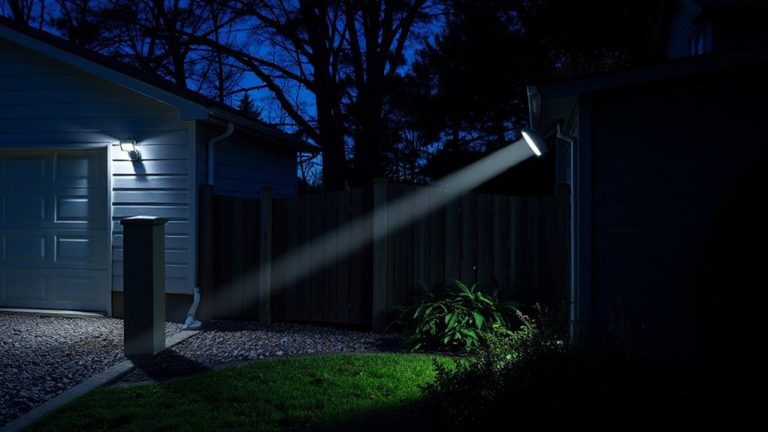
You get immediate protection by pairing motion detection with outdoor siren systems that trigger loud, 100+ decibel alarms within 2–3 seconds of sensing movement. PIR sensors detect body heat and ignore small animals when properly calibrated, reducing false alerts. For best results, choose models with IP65 weather resistance, 180-degree detection, and smart home compatibility. Position the siren 8–10 feet high near entry points. You’ll learn how to optimize placement, volume, and integration for maximum home security effectiveness.
Notable Insights
- Pair PIR motion sensors with outdoor sirens to ensure immediate activation upon detecting human-sized movement.
- Choose sirens with at least 100 dB output and 180-degree detection for effective deterrence and wide coverage.
- Install motion-activated sirens at 8–10 feet near entry points to maximize detection and sound projection.
- Integrate sirens with smart home systems for real-time alerts, remote control, and camera联动.
- Calibrate sensitivity and avoid heat sources or foliage to reduce false alarms while maintaining responsiveness.
How Motion Detection Triggers Outdoor Sirens
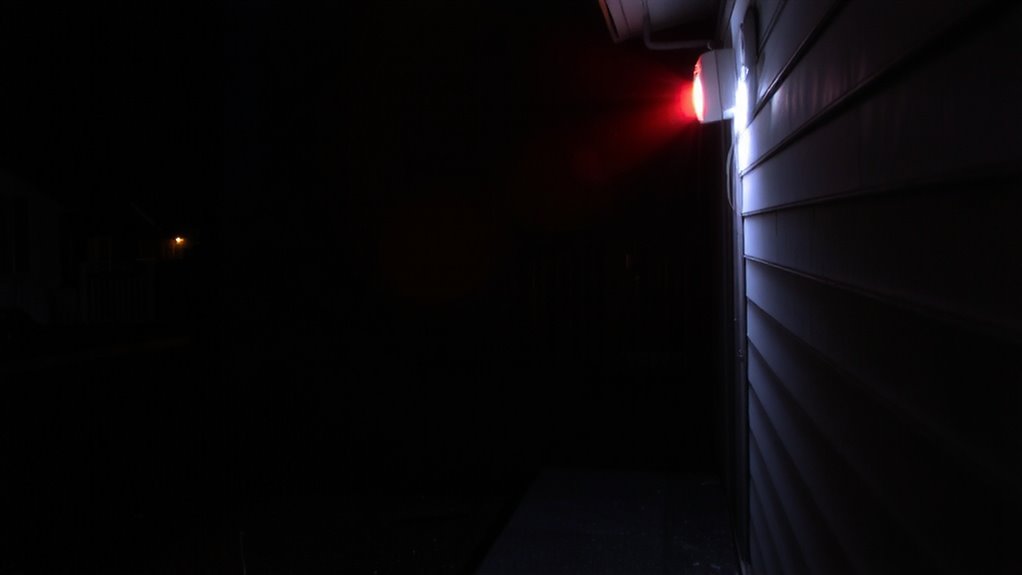
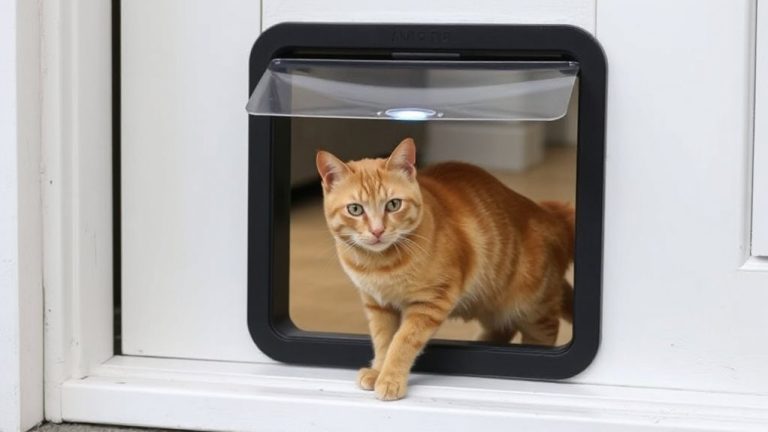
When motion is detected within range, your outdoor siren system activates based on sensor input, typically from passive infrared (PIR) technology that senses heat and movement. You rely on this system to respond only when real threats are present, so minimizing false alarms is essential. Advanced sensors filter out small animals and environmental noise, but improper placement near heat sources or foliage can still trigger them. For reliable performance, you need weather resistance-look for housings rated IP54 or higher to endure rain, dust, and temperature extremes. Most systems activate within 2–3 seconds of detection. Units range from $80 to $180, with higher-end models offering better durability and smarter detection. Proper installation height and angle improve accuracy. Choose models with adjustable sensitivity to fine-tune response, balancing prompt alerts with reduced false alarms.
Why Pair a Motion Sensor With a Security Siren
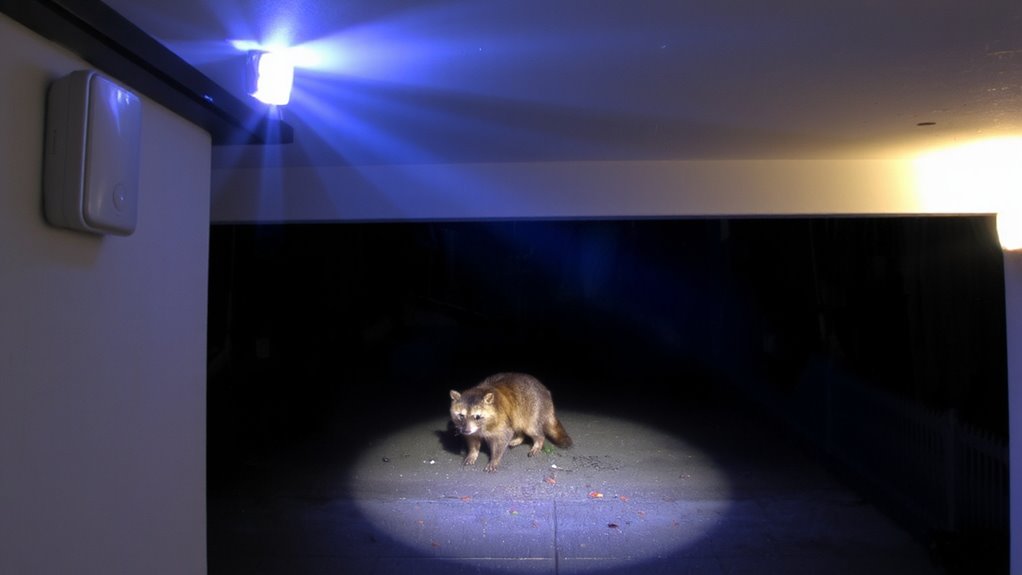
You’ve seen how motion detection activates outdoor sirens using PIR sensors, filtering out minor disturbances while responding to real threats. Pairing a motion sensor with a security siren boosts effectiveness by reducing false alarms through intelligent detection. Without motion sensing, sirens might trigger from signal interference or environmental noise, wasting power and dulling response over time. Motion sensors add precision, ensuring the siren sounds only when needed. This combination improves deterrence, as an immediate, loud alert startles intruders and alerts neighbors. Systems with adjustable sensitivity further minimize false alarms caused by pets or passing vehicles. Look for models with strong signal stability to resist interference from nearby electronics. While setup costs vary, investing in motion-linked sirens enhances reliability and response accuracy. It’s a practical upgrade that increases security without complexity. Proper placement and regular testing keep the system effective long term.
Choosing the Best Motion-Activated Siren for Your Home
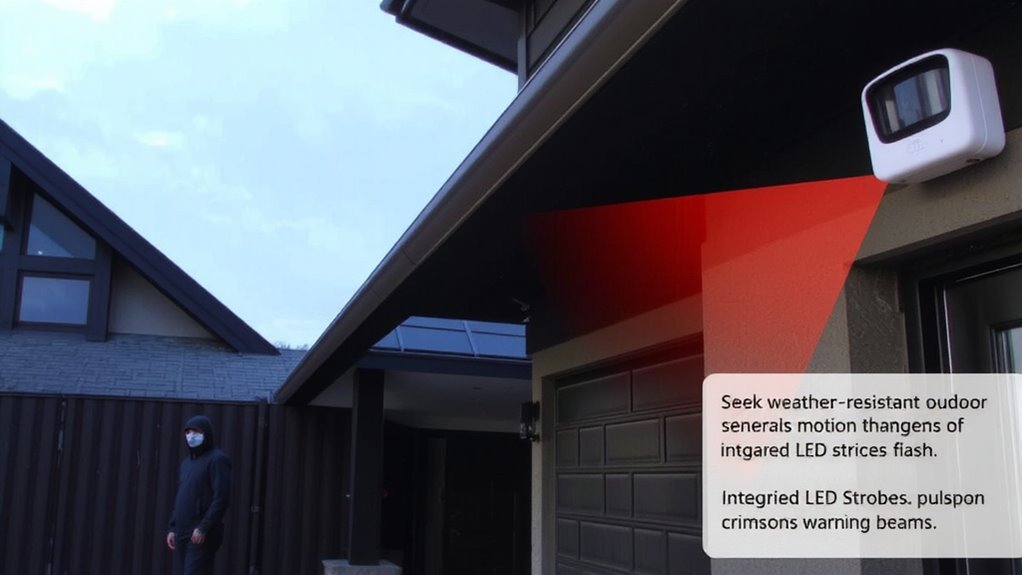
What should you consider when selecting a motion-activated siren that truly fits your home’s security needs? Start by checking siren volume-aim for at least 100 decibels to guarantee it’s loud enough to deter intruders and alert neighbors. Too low, and it won’t be effective; too high, and it could risk disturbing the area unnecessarily. Weather resistance is also critical since outdoor units face rain, snow, and extreme temperatures. Look for models with an IP65 rating or higher to guarantee durability. Choose sirens with wide detection angles-around 180 degrees-for broader coverage. Consider power options: hardwired models offer reliability, while battery-powered ones allow flexible placement. Most quality units cost between $50 and $150. Prioritize proven brands with solid warranties and positive user reviews to guarantee long-term performance and peace of mind.
Integrating Sirens With Smart Home Security Systems
A strong outdoor siren with reliable motion detection sets the foundation for effective property protection, but linking it to your broader security setup amplifies its impact. Wireless integration lets you connect the siren to smart hubs, cameras, and alarms, so alerts trigger across devices instantly. When motion activates the siren, you’ll get real-time notifications through your smartphone or tablet, enabling immediate response. Remote monitoring allows you to view feeds, silence false alarms, or alert authorities from anywhere. Most modern systems use secure Wi-Fi or cellular connections, minimizing delays. Look for sirens compatible with major platforms like Google Secure, Alexa Guard, or Apple HomeKit to guarantee seamless operation. While wireless integration adds convenience, guarantee your network is stable to avoid dropouts. Systems with mobile apps typically offer better remote monitoring features. Initial setup may cost more, but the coordination enhances overall detection and response. For optimal results, choose from the Top Smart Home Systems that support integrated outdoor siren functionality.
Where to Place and How to Calibrate Your Siren
Where should you install your outdoor siren for maximum effectiveness? Place it near entry points like doors and ground-floor windows, guaranteeing ideal positioning at 8–10 feet high and angled toward potential access routes. Avoid corners or obstructions that block sound dispersion. Keep it away from trees or structures that may trigger false alarms. For calibration techniques, adjust motion sensitivity to ignore small animals while detecting human-sized movement-most models offer dials or app settings for this. Test the detection range in daylight before finalizing placement. Consider wire vs. wireless setups; wired offers reliability, while wireless allows flexible placement but may need battery checks. Proper calibration techniques and ideal positioning greatly improve response accuracy, reduce false alarms, and extend system life. Guarantee your siren complies with local noise ordinances to avoid fines. A well-placed, correctly calibrated siren boosts deterrence without annoying neighbors.
Proven Cases: How Motion-Activated Sirens Deter Intruders
Deterrence begins the moment an intruder realizes they’ve been detected, and motion-activated sirens deliver that message instantly. You can count on loud, sudden sound to disrupt criminal intent-most intruders flee before committing a break-in. Studies show properties with audible alarms are 30% less likely to be targeted. While false alarms can occur, modern systems use adjustable sensitivity and dual-technology sensors to reduce them. Privacy concerns are minimal since these sirens don’t record video by default. Always check local noise ordinances and aim sensors wisely.
| Feature | Benefit | Consideration |
|---|---|---|
| Instant sound alert | Deters intruders quickly | May cause false alarms if poorly calibrated |
| Weather-resistant design | Works year-round | Higher cost for premium models |
| Integration with lights | Increases visibility | Requires power source |
On a final note
You can effectively deter intruders by pairing motion sensors with outdoor sirens. These systems trigger loud alarms when movement is detected, startling trespassers and drawing attention. Look for models with adjustable sensitivity and weather resistance. Integrating with smart home systems lets you receive alerts and monitor activity remotely. Proper placement, like near entry points, improves performance. While some false alarms may occur, correct calibration reduces them. Overall, motion-activated sirens are a reliable, affordable layer of security.