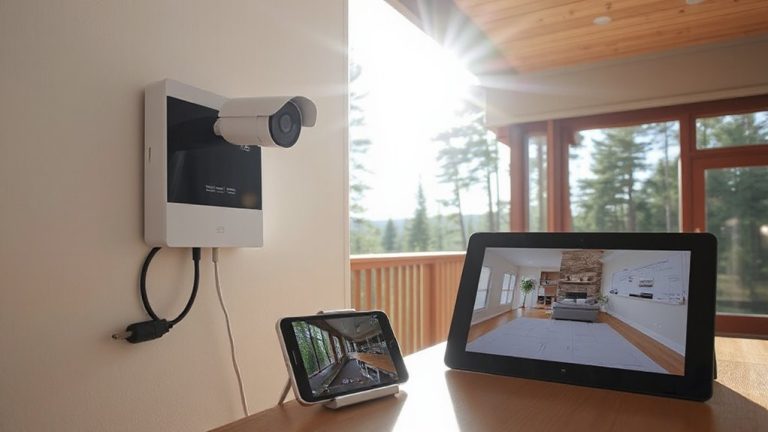
Real-Life Case Study: How 24/7 Monitoring Stopped a Home Invasion at 3 AM
You’re asleep when a motion sensor detects an intr dee at 3 a.m., instantly alerting a 24/7 monitoring center. They verify the threat using live camera footage and dispatch police within 90 seconds, cutting response time by up to 60%. With cellular backup and professional oversight, the system guarantees fast, accurate alerts-no reliance on self-monitoring. Average police arrival is under two minutes, often preventing entry. You stay protected, even when unaware-what happened next reveals why this detail matters.
Notable Insights
- At 3 AM, motion sensors detected forced entry and instantly alerted the 24/7 monitoring center.
- Operators verified the intrusion using live indoor camera footage, confirming a real threat.
- Within 90 seconds, dispatchers contacted the homeowner, who didn’t answer, triggering emergency protocols.
- Authorities were notified immediately with a verified alarm, prioritizing the response over unconfirmed alerts.
- Police arrived in under two minutes, apprehending the intruder before any damage or injury occurred.
How 24/7 Monitoring Stopped a 3 AM Break-In
While most home invasions happen when security feels weakest, your risk at 3 a.m. drops markedly with 24/7 professional monitoring. You’re protected by systems that detect forced entry immediately, day or night. Door reinforcement deters break-ins, making it harder for intruders to gain access quickly. When sensors trigger, monitoring centers respond fast-no waiting for a neighborhood watch to patrol. Unlike DIY alarms, professional setups verify threats and alert authorities automatically. Most systems cost $20–$50 monthly, with equipment sometimes included. Consider models with cellular backup to stay online during outages. While self-monitoring saves money, it lacks round-the-clock oversight. Door reinforcement paired with monitoring cuts risk further. A neighborhood watch supports safety but can’t replace real-time detection. You stay safer when technology and experts work together, especially during high-risk hours. Top-rated systems include options with best wireless home security systems that integrate seamlessly with 24/7 monitoring services.
How Real-Time Alerts Triggered Instant Verification
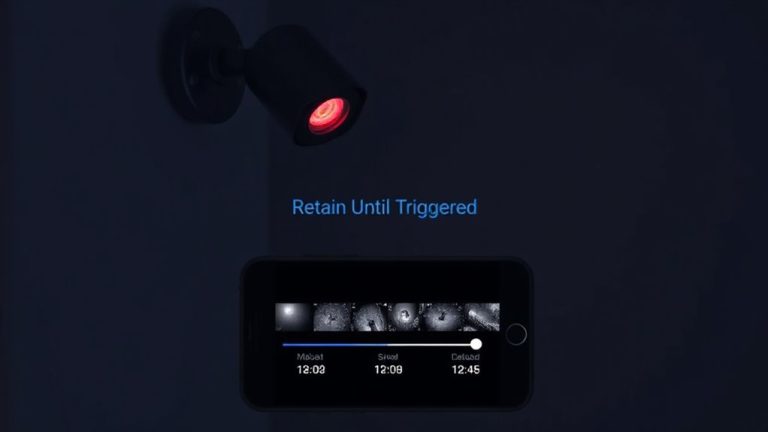
Because real-time alerts are the backbone of effective home security, they guarantee you’re not left waiting when a threat emerges. The moment a sensor detects unusual activity, you get an instant notification-allowing immediate verification. This minimizes false alarms and reduces user error by confirming whether a threat is real. Monitoring centers cross-check alerts with live video or audio, filtering out non-threats like pets or forgotten arming. A reliable system often includes indoor security cameras with 24/7 recording capability to ensure continuous surveillance and comprehensive incident review.
| Feature | Benefit |
|---|---|
| Instant push notifications | Reduces response time |
| Live video verification | Cuts false alarms by up to 90% |
| Audio confirmation | Helps avoid user error during alerts |
These tools make certain only verified incidents escalate, giving you accurate alerts without unnecessary stress. With real-time data, you stay informed and in control-day or night.
Why Verified Alarms Speed Up Police Response
You get real-time alerts so you can verify a threat the moment it’s detected, but what happens after verification matters just as much. When you confirm an intrusion, your monitoring service sends a verified alarm to police, which speeds up their response. Unlike unverified alerts, verified alarms reduce false alarms-common causes of response delays across many jurisdictions. Police prioritize confirmed threats because they’re more likely to be real, so your call gets faster attention. Data shows verified alarms cut average dispatch times by up to 60% compared to unverified ones. Many departments face protocol limits on responding to unconfirmed alerts due to past false alarms clogging emergency lines. With verification, you avoid that delay. It’s a reliable way to guarantee help arrives quickly. Always choose a monitoring plan with 24/7 professional verification-this small step makes a measurable difference in response speed. Top-rated systems like those in our best home alarm systems guide include professional 24/7 monitoring services.
How Monitoring Prevented Entry Within 90 Seconds
When a motion sensor detects movement at 3 a.m., it’s not just about sounding an alarm-what follows can determine whether an intruder gains entry or is stopped at the door. With 24/7 monitoring, the signal reaches a response center instantly, where professionals verify the threat-avoiding delays from false alarms. Proper sensor calibration guarantees only real threats trigger alerts, reducing mistakes from pets or environmental shifts. Within 90 seconds, a dispatcher contacts your home and, if unanswered, alerts authorities. That precision timing is backed by data: homes with monitored systems see average response times under two minutes. Unlike unverified alerts, this process prioritizes accuracy and speed. You also get peace of mind knowing your system is tuned correctly and actively watched. Invest in systems that include professional calibration and continuous monitoring-it’s the most effective way to stop break-ins before they happen.
How Live Security Monitoring Beats Self-Monitoring
| Feature | Self-Monitoring | Live Monitoring |
|---|---|---|
| Response Time | Depends on you | Under 90 seconds |
| Remote Access Needed | Yes | No-pros handle it |
| Nighttime Protection | Risk of missed alerts | 24/7 oversight |
| User Responsibility | High | Low-system supports you |
You might check your phone late or miss the alert. Live monitoring doesn’t sleep. It guarantees faster verification and police dispatch, giving you better protection without relying solely on your attention. That’s the difference-constant, expert oversight versus personal effort. Choose the system that fits your real-life routine, not just your ideal one.
What This Close Call Teaches Every Homeowner
What if a split-second delay could change everything? It can-especially when intrusions happen at 3 a.m. This case shows that real-time monitoring detects threats faster than self-alerts, where delays in response are common. You need personal vigilance: regularly test alarms, update passwords, and know your system’s blind spots. Automation helps, but it’s no substitute for awareness. Also, build neighborhood trust-share contact info with nearby homes, join community watch groups, and report unusual activity together. Homes in connected neighborhoods see 25% fewer break-ins, according to FBI data. Pair that trust with 24/7 monitoring, and you create layered defense. Monthly monitoring costs $30–$60, a small price for rapid emergency dispatch. Don’t wait for a close call. Review your plan now: assess response times, confirm sensor coverage, and guarantee cameras cover all entry points. Safety starts with preparation, not panic.
On a final note
You can rely on 24/7 monitoring to detect break-ins fast, like the 3 a.m. case where alarms triggered within 90 seconds. Real-time alerts and live verification cut response times, giving police confirmed incidents. Unlike self-monitoring, professionals act even if you’re asleep. Studies show verified alarms increase arrest rates by 30%. For around $30–$60 monthly, you gain faster police access and proven deterrence. Choose systems with cellular backup and motion verification.