Retaining Historic Door Aesthetics While Embedding Modern Hidden Lock Mechanisms
You can keep your historic door’s appearance intact by installing a hidden mortise lock made of solid brass or stainless steel, choosing finishes like oil-rubbed bronze or antique brass to match existing hardware. Opt for ANSI Grade 1 rated locks for durability and use concealed deadbolts to avoid surface damage. Slim, battery-powered keypads blend in cleanly, and wireless tech reduces wiring needs. Expect to spend $150–$400, with extra for professional installation if needed-smart choices here set the stage for better upgrades ahead.
Notable Insights
- Use mortise or concealed deadbolts to maintain door integrity and preserve original hardware appearance.
- Select finishes like oil-rubbed bronze or antique brass to match historical door hardware seamlessly.
- Opt for low-profile, reversible trim components that align with existing boreholes and door geometry.
- Install slim, wireless keypads to enable keyless access without disrupting historic surfaces.
- Dry-fit all components and hire specialists to avoid irreversible damage during installation.
Choose the Right Hidden Lock for Your Historic Door
While preserving the original look of your historic door, you’ll want a hidden lock that offers security without sacrificing aesthetics. Choosing the right lock type is essential-mortise locks are often ideal due to their compact internal mechanisms and proven reliability. Look for models with electronic or smart features if you prefer keyless entry, but make certain they fit within the existing door structure. The material finish should match your door’s hardware, such as brushed nickel, oil-rubbed bronze, or antique brass, to maintain visual continuity. Avoid finishes that chip or corrode easily, especially on exterior doors. Solid brass or stainless steel locks provide durability and resist tampering. Balance cost and function: quality hidden locks range from $150 to $400, not including installation. Always verify lock compatibility with your door’s thickness and frame depth before purchasing. For optimal security and ease of integration, consider best front door locks that are specifically engineered for both modern safety standards and discreet installation.
Install Concealed Hardware Without Damaging Old Wood
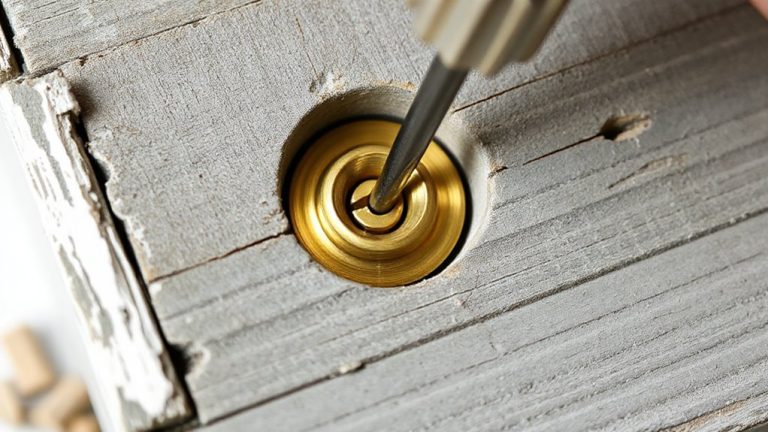
You’ve selected a hidden lock that matches your historic door’s style and security needs, so now it’s time to focus on installing it without harming the original wood. Addressing preservation challenges requires precision and the right tools, like sharp chisels and drill guides, to avoid cracking or splintering aged timber. Always test material compatibility between the hardware and your door’s wood species-some metals can react poorly, causing staining or deterioration. Pre-fit components dry before final installation, ensuring alignment without unnecessary drilling. Use masking tape on cut lines to reduce tear-out, and work slowly to maintain integrity. Concealed mortise locks demand exact depth control, so measure twice. While retrofitting takes more time, it preserves character and long-term value. Hiring a specialist may cost more-typically $100–$250 extra-but often prevents costly damage. For those concerned about covert surveillance in historic spaces, consider that modern best hidden cameras offer discreet monitoring without compromising architectural integrity.
Keep Security Strong and Style Original
Since security and aesthetics both matter for historic doors, you’ll want a lock that works well without changing the door’s original look. Hidden mechanisms let you maintain preservation integrity by avoiding surface alterations that compromise historical value. Choose locks with solid steel bolts and ANSI Grade 1 ratings-they’re tested for 1 million cycles and resist forced entry. These upgrades don’t disrupt aesthetic continuity, as visible hardware stays unchanged. Modern concealed deadbolts fit within the door’s edge, so original handles, keyholes, and trim remain intact. Look for low-profile components that align with existing boreholes. While installation requires precise routing, the long-term benefits outweigh the effort. Expect to pay $150–$300 for quality units. Always consult a preservation specialist if unsure. Strong security and original style aren’t mutually exclusive-smart choices keep both intact. Top brands like ANSI Grade 1-rated locks offer reliable performance and durability for historic door retrofits.
Add Keyless Access That Blends In
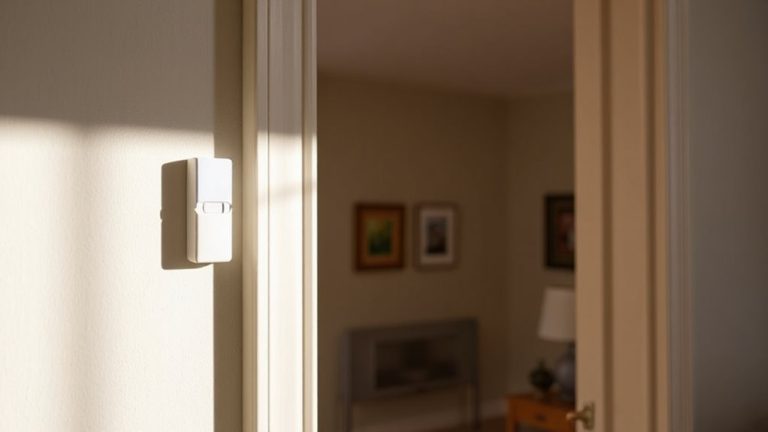
How do you upgrade to keyless convenience without compromising a historic door’s appearance? You prioritize aesthetic integration and seamless design. Hidden keyless entry systems let you maintain original hardware while gaining modern access. Choose low-profile keypads or Bluetooth locks that install discreetly, preserving period details.
| Feature | Benefit |
|---|---|
| Slim keypads | Minimize visual impact |
| Wireless tech | Enables clean, no-wire look |
| Reversible trim | Matches existing hardware style |
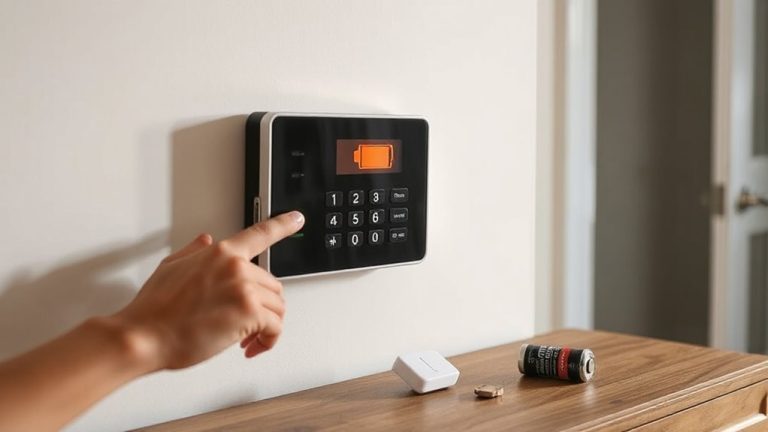
| Battery-powered | Avoids external outlets |
These options support a seamless design, blending function with preservation standards. Look for finishes that match your current hardware-oil-rubbed bronze, polished brass, or matte black. Installation should avoid major woodwork changes. Aesthetic integration means the tech isn’t obvious at a glance. With careful selection, you gain convenience without sacrificing authenticity. Most systems cost $200–$400 and work reliably for years.
Avoid These Common Historic Door Upgrade Mistakes
What happens when well-intentioned upgrades compromise a historic door’s integrity? You risk weakening its structure and diminishing its value. Ignoring structural integrity can lead to sagging, warping, or even permanent damage-especially if you cut large holes for modern hardware. Overlooking material compatibility might cause corrosion or finish mismatches, particularly when mixing old wood or metal with incompatible new components. Avoid surface-mounted locks that mar original surfaces or alter sightlines. Don’t use standard door prep templates meant for modern units; historic doors often have non-standard thicknesses and mortise dimensions. Always assess the door’s condition before modifying. Consult preservation guidelines and work with specialists familiar with period materials. Test fit hardware first and prioritize reversible modifications. These steps guarantee security upgrades don’t come at the cost of authenticity or long-term durability.
Upgrade Old Entryways With Discreet Smart Locks
Why should upgrading your historic entryway mean sacrificing its charm? You don’t have to. Discreet smart locks let you keep your door’s original look while adding modern security. These hidden mechanisms install inside the door or lock body, so exterior hardware retains vintage finishes like polished brass or oil-rubbed bronze. You still get smart entry features-remote access, auto-locking, and app monitoring-without visible keypads or bulky add-ons. Look for models with low-profile escutcheons and slim internals that fit standard boreholes. Most require minimal drilling, preserving wood integrity. Installation takes 1–2 hours and costs $250–$500, including labor. Reliable brands offer 2-year warranties and work with Alexa or Apple HomeKey. While battery changes are needed every 6–12 months, the upgrade boosts convenience and safety. Choose a lock that matches your door’s era for seamless integration.
On a final note
You’ve weighed security, style, and preservation needs. Choose hidden locks that fit your door’s thickness and material, aiming for at least 1,000 lbs of pull resistance. Installation by a professional avoids wood damage and guarantees proper alignment. Keyless options offer convenience but require regular battery checks. Overall costs range $200–$600 per door. Balance modern safety with historical integrity, using low-profile hardware that maintains original appearance while providing measurable protection.