Creating a Year-Round Maintenance Calendar for Comprehensive Home Alarm Upkeep
You should test your alarm sensors monthly to guarantee they communicate properly with the control panel. Replace all batteries every quarter, checking voltage-9V for panels, 3V for sensors-and opt for lithium for longer life. Update access codes twice a year, especially after major life changes. Schedule a professional inspection annually, averaging $100, to verify wiring, monitoring, and system integrity. This consistent plan keeps your system reliable, and there’s more to optimizing your home’s security with smart scheduling.
Notable Insights
- Test all door and window sensors monthly to ensure proper alignment and communication with the control panel.
- Replace alarm system batteries every quarter, checking voltage levels and using lithium for longer life.
- Conduct motion detector tests monthly by walking through each zone while the system is armed.
- Update access codes biannually and after major life events to maintain security and user accountability.
- Schedule a professional alarm inspection annually to verify system integrity and monitoring connectivity.
Know Your Home Alarm System: Key Components Explained
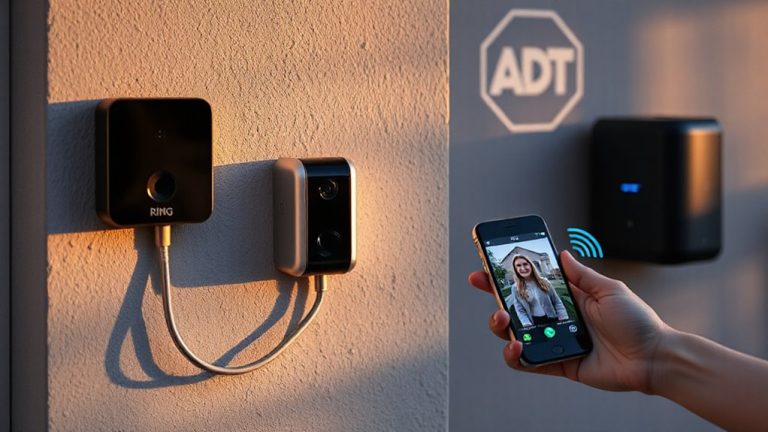
You’ll want to start by understanding the core parts of your home alarm system, since knowing how each component works helps you keep everything running smoothly. Alarm architecture typically includes control panels, sensors, keypads, and alert devices. Each piece has specific component functions that contribute to overall performance. The control panel acts as the brain, processing signals and triggering responses. Door and window sensors detect openings, while motion detectors monitor movement indoors. Keypads let you arm or disarm the system, and sirens or strobe lights activate during breaches. Power backups and cellular or Wi-Fi connectivity guarantee operation during outages. Understanding these roles helps you identify weaknesses, choose upgrades, and plan maintenance. Knowing your system’s layout and capabilities supports effective troubleshooting and long-term reliability. Regularly reviewing manuals and system logs also supports peak function. For reliable protection, consider researching the Best Household Alarms to ensure your system meets current safety standards.
Test All Alarm Sensors Monthly
A monthly sensor test is a proven way to catch faulty components before they compromise your home’s security, and it only takes about 10 to 15 minutes. You should activate your alarm system and manually test each sensor by opening doors and windows or walking in front of motion detectors. Check for proper sensor alignment, as misaligned components can lead to false alarms or missed detections. Poor alignment often happens after regular use or shifting frames over time. This routine helps guarantee reliable communication between sensors and the control panel. False alarms not only disrupt your household but may also result in fines from local authorities. Testing monthly reduces these risks and confirms your system responds accurately. Consistent checks improve long-term dependability, especially in extreme weather or high-traffic areas. Make testing part of a specific day each month to stay on track. This small effort supports a secure, well-functioning home security system. For reliable performance, consider investing in one of the best home alarm systems recommended for their durability and ease of maintenance.
Replace Batteries Every Quarter
It’s easy to overlook battery health until a low-power warning flashes, but replacing your alarm system’s batteries every three months keeps the system operating reliably. Most backup and sensor batteries last 3–5 years, but their effective battery lifespan shortens with inconsistent maintenance. By replacing them quarterly, you reduce the risk of unexpected failure. Perform a quick voltage check during each swap to confirm the new batteries deliver the proper charge-typically 9V for panels and 3V for sensors. This habit guarantees consistent performance, especially during outages when your system relies on backup power. Lithium batteries cost slightly more but offer longer stability versus alkalines. Skipping replacements might save money short-term, but it jeopardizes security. Mark your calendar for each season to stay on schedule. Regular battery changes are a small step that supports year-round protection and system dependability. A reliable safety strategy includes having a best personal safety alarm on hand for added protection.
Update Access Codes Twice a Year
Regularly updating your alarm system’s access codes-twice a year-helps maintain security, especially after life changes like moving, hiring contractors, or ending relationships. Code rotation minimizes the risk of unauthorized access, ensuring only trusted individuals can arm or disarm your system. Take this moment to review user permissions, removing outdated profiles and adjusting access levels as needed. Most modern systems allow multiple user codes, so assign unique ones to family members or frequent guests. This adds accountability and makes monitoring easier. Avoid using simple, predictable codes like “1234” or “0000.” Instead, choose random sequences and store them securely. If someone loses access or moves out, update codes immediately-don’t wait six months. While some systems support app-based management, others require manual input via the control panel. Plan code rotation during daylight saving time changes as a helpful reminder. This routine takes minutes but substantially strengthens your home’s protection.
Schedule Your Annual Alarm System Checkup
Changing your access codes twice a year keeps unauthorized users out, but that’s only part of what your alarm system needs to stay reliable over time. You should schedule an annual alarm inspection to catch hidden issues before they become problems. A professional system evaluation checks sensors, wiring, battery life, and communication with monitoring centers. Most manufacturers recommend this tune-up yearly to maintain performance and warranty coverage. Some companies offer service plans starting around $100 per year, which often include one full inspection. Without regular maintenance, undetected faults could reduce effectiveness. Think of it like a car checkup-prevention is cheaper than repairs. Mark your calendar for this essential task, and pair it with other yearly home safety steps, like testing smoke detectors or cleaning HVAC filters. Planning ahead guarantees your home stays protected.
On a final note
You keep your home secure by staying proactive. Testing sensors monthly guarantees reliability, while quarterly battery changes prevent unexpected failures. Updating access codes twice a year limits security risks from outdated or shared codes. Your annual professional checkup catches hidden issues early, saving money and enhancing performance. Together, these steps form a data-backed maintenance plan that maximizes protection, reduces false alarms, and extends your system’s lifespan without excess cost.