CHILDREN’S SAFETY:
You can prevent common childhood injuries by anchoring furniture to walls with straps-under $20 and quick to install-since tip-overs cause thousands of injuries yearly. Cover unused outlets and use cabinet locks to keep hazards out of reach. Set digital boundaries to protect against online risks and teach stranger awareness with clear, calm guidance. Practice emergency drills regularly to build confidence. You’ll find even more practical steps to keep your child safe just ahead.
Notable Insights
- Anchor heavy furniture and TVs to walls using straps or brackets to prevent tip-over injuries.
- Install outlet covers and cabinet locks to protect children from electrical shocks and hazardous substances.
- Teach children to never share personal information online and to recognize unsafe digital interactions.
- Practice stranger awareness by role-playing responses and encouraging trust in personal instincts.
- Supervise playground use actively and ensure shock-absorbing surfaces are maintained for fall protection.
Childproof Your Home in 5 Key Steps
While every home should be a safe haven, taking proactive steps to childproof your space can greatly reduce the risk of accidents-especially since unintentional injuries are a leading cause of childhood injury and hospitalization. Start with furniture anchoring to prevent tip-overs; dressers, bookshelves, and TVs can fall if climbed, but wall straps or brackets cost under $20 and take minutes to install. Next, use outlet covers on all unused electrical sockets to prevent shocks; choose tamper-resistant models that meet safety standards. Pair these with cabinet locks and stair gates for thorough protection. Furniture anchoring is highly effective-CPSC data shows thousands of children are injured annually by furniture tip-overs. Outlet covers are low-cost, easy to install, and essential in homes with infants learning to crawl. Together, these steps form a foundational layer of safety that’s both practical and proven. Prioritize high-traffic areas first, then assess each room methodically.
Keep Kids Safe Online With These Rules
Since kids spend more time online than ever, setting clear digital boundaries helps protect them from risks like cyberbullying, inappropriate content, and online predators. You should teach your child about online privacy by limiting what they share-like addresses, school names, or phone numbers-on websites and social platforms. Remind them that once something is posted, it’s hard to remove, which shapes their digital footprint forever. A strong digital footprint can affect college or job opportunities later. Use parental controls and privacy settings on devices and apps to manage access. Talk openly with your kids about responsible behavior online, and encourage them to come to you if they see something upsetting. Regular check-ins help maintain trust. These steps aren’t foolproof, but they reduce risks and promote safer online habits. Start early, stay consistent.
Teach Kids to Stay Safe Around Strangers
A child’s curiosity is natural, but it’s your job to guide that curiosity safely when strangers are involved. Teaching stranger awareness helps kids recognize potentially unsafe situations without instilling fear. Start by defining what a stranger is, and explain that not all strangers are dangerous-but caution is always needed. Reinforce personal boundaries by practicing phrases like “I need to check with my grown-up” or “Stay back, I don’t know you.” Role-play scenarios to build confidence, such as someone offering a ride or asking for help. Encourage children to trust their feelings and come to you if something feels off. Keep communication open and consistent. Avoid scare tactics; instead, focus on preparedness. These skills build independence and safety awareness, making it more likely your child will respond wisely if approached. Practice strengthens judgment, giving them tools that last a lifetime.
Prevent Playground Injuries Now
When kids head to the playground, minor scrapes are common, but many serious injuries are preventable with the right precautions. Effective playground supervision means actively watching, not just being present. You should also support regular equipment inspection to catch wear, loose bolts, or rust early. These steps reduce fall risks and guarantee safe play.
| Factor | Recommendation |
|---|---|
| Supervision | Stay within arm’s reach of young children; engage consistently |
| Inspection Frequency | Check equipment monthly; more often in high-use areas |
| Surface Material | Use shock-absorbing surfaces like rubber or mulch, at least 9 inches deep |
| Hazard Response | Remove damaged items immediately; report issues to authorities |
You can’t prevent every fall, but with attention and preventive checks, you considerably lower injury risk. Prioritize both supervision and inspection-they work best together.
Make a Real Emergency Plan That Works
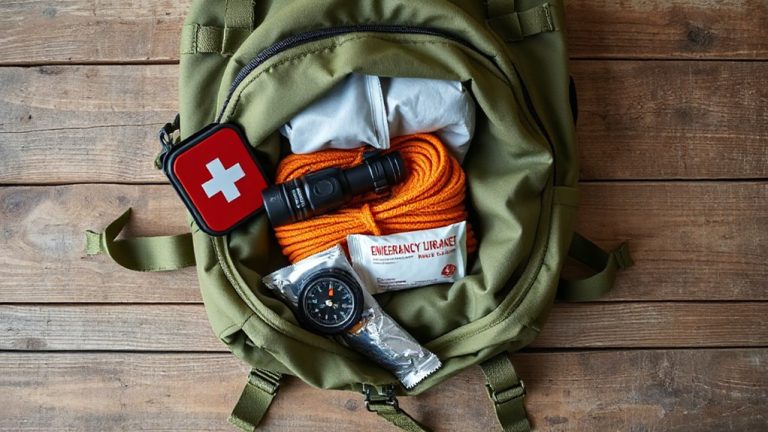
You’ve taken steps to keep kids safe on the playground, but accidents still happen-even with supervision and well-maintained equipment. That’s why you need a real emergency plan that works. Start by practicing emergency drills at home and school so kids know what to do during fires, severe weather, or medical crises. These drills build confidence and reduce panic. Include family reunification in your plan: decide on a meeting spot and designate an out-of-town contact. Make sure everyone knows the plan, including caregivers. Keep emergency numbers and medical info handy, and update them regularly. Practicing the plan every few months guarantees it stays effective. A solid plan isn’t complicated, but it saves time and lives. You can’t prevent every emergency, but with preparation, you can respond quickly and keep your family safe.
On a final note
You’ve taken smart steps to protect your kids at home, online, and in public. Each strategy-childproofing, screen rules, stranger safety, playground checks, and emergency planning-is backed by safety data and expert guidance. While no plan eliminates all risk, these measures reduce harm considerably. Balance cost, effort, and effectiveness: start with low-cost fixes like outlet covers and free emergency alerts. Stay consistent, update plans yearly, and practice drills so responses become routine. Safety grows from preparation, not luck.