Legal Implications of Using Non-Lethal Defenses in Home Security Situations
You can use pepper spray or a stun gun at home if facing an imminent threat, but laws vary by state on possession and justified use. Some states restrict or ban stun guns, while others allow them with conditions. Force must be reasonable and proportional. Even non-lethal tools can lead to legal consequences or lawsuits. Always document incidents and call 911. Your state’s self-defense laws could affect your protection. More details follow.
Notable Insights
- Legal use of non-lethal defenses requires an imminent threat and reasonable belief that force is necessary to prevent harm.
- State laws vary widely on the legality of owning and using pepper spray or stun guns in self-defense situations.
- The Castle Doctrine in some states allows non-lethal force against intruders without a duty to retreat.
- Even legally justified use of non-lethal tools may lead to civil lawsuits or criminal investigation.
- Proper documentation, immediate reporting, and scene preservation strengthen legal defense after an incident.
Can You Legally Use Pepper Spray or a Stun Gun at Home?
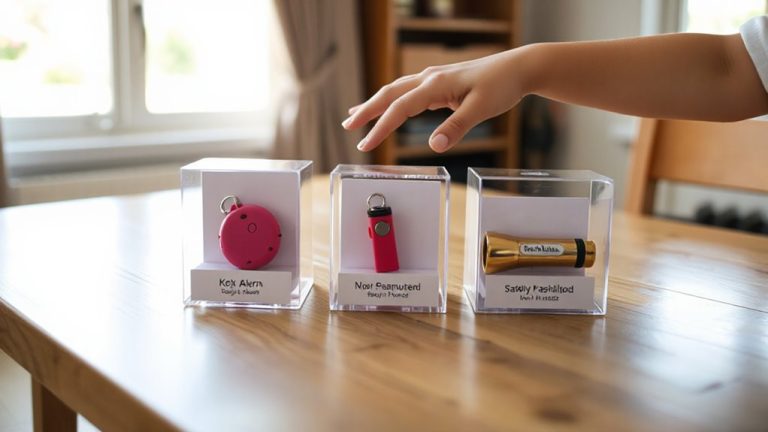
Home defense tools like pepper spray and stun guns are common choices, but their legal status can vary depending on where you live. You must check your local device regulations before purchasing or using either. Some states ban stun guns entirely, while others allow them with restrictions. Pepper spray is generally more widely permitted, but even it has legal thresholds. For example, certain municipalities limit spray concentration or require seller licensing. You could face fines or charges if you possess a restricted device. Always verify whether your home state imposes registration requirements or age limits. Weigh the pros-such as non-lethal deterrence-against the cons, like legal risk or device malfunction. Proper research guarantees you stay compliant while protecting your household effectively. Know the rules, not just the tools. For those considering options, reviewing the Best OC Spray Picks can help identify effective and legally compliant choices.
When Is Using a Stun Gun or Pepper Spray Justified?
When can you actually use a stun gun or pepper spray without crossing a legal line? You’re generally justified when facing an imminent threat of harm inside your home. You must reasonably believe force is necessary to stop an intruder. Acting in proportion matters-using these tools against someone fleeing isn’t acceptable. Your moral responsibility includes avoiding unnecessary harm, even when legally allowed to act. Consider public perception, too: jurors may judge your response based on how it appears, not just the facts. Overreacting could damage your credibility, even if the law somewhat protects you. These tools are effective and non-lethal, but misuse carries risks. Always aim to de-escalate first when safe. Documentation, like security footage, supports your account. Planning matters-know when force is appropriate, and train with your device so you respond correctly under pressure.
Check Your State’s Self-Defense and Stand Your Ground Laws
How well do you know the laws that could determine whether your use of force is seen as self-defense or a criminal act? Every state has different rules on when you can defend yourself, especially at home. Some follow the Castle doctrine, meaning you can use force, including non-lethal options, if an intruder enters your home without consent. Other states have Stand Your Ground laws, allowing force in more places without retreating. But not all states recognize these protections, so knowing your local laws matters. You could face civil liability if a court finds your actions unreasonable, even with a non-lethal tool. That could mean lawsuits, legal fees, or damages. Check your state’s statutes, consult a legal expert if needed, and document your decisions clearly. Being informed protects both your home and your legal standing.
What If Your Defense Tool Injures an Intruder?
What if your non-lethal defense tool causes more harm than you expected-could you still face legal consequences? Yes, even if you acted in self-defense, you might encounter liability concerns. Courts assess whether your response was reasonable under the circumstances. If an intruder suffers serious injury from your taser, pepper spray, or impact weapon, they could file civil lawsuits seeking damages. These cases often turn on evidence showing threat level and your intent. Using excessive force-or a tool in an unreasonable way-may weaken your defense. While criminal charges are less likely in clear self-defense scenarios, civil lawsuits can still arise. You might face legal fees, court costs, and potential payouts even if you win. Consider discussing potential risks with an attorney and reviewing product warnings to better understand your exposure.
How to Document and Report a Home Defense Incident
Why does it matter how you handle the moments after a home defense incident? Because your actions can affect legal outcomes. Right after the threat ends, call 911 and stay calm. Avoid touching anything unnecessary. Use your phone to take clear incident photography-capture the intruder’s path, damaged entry points, and your defense tool in place. These images help law enforcement and insurers reconstruct events. Ask any witnesses for their names and contact details. Then, get written witness statements as soon as possible while memories are fresh. Report the incident fully to police when they arrive. Be honest, but avoid speculation. Keep a copy of the police report for your records. Proper documentation like incident photography and witness statements strengthens your credibility. It shows you acted reasonably and can protect you if questions arise later. Planning steps now saves stress later.
On a final note
You can legally use pepper spray or a stun gun at home if you face an imminent threat and follow your state’s self-defense laws. These tools can stop intruders without lethal force, but misuse may lead to liability. Always check local laws, document incidents, and call 911. Proper planning, training, and clear evidence protect your rights and guarantee lawful, effective home defense.