Creating a Family Emergency Plan That Aligns With Your Property’s Unique Safety Needs
You should assess your home’s specific risks, like flood zones or nearby brush that could fuel wildfires, and upgrade accordingly with sump pumps or fire-resistant materials. Map all exits and avoid cluttered escape routes. Set up alerts using phones, apps, or smart alarms, and include whistles as backups. Plan for kids, older adults, and pets with assigned helpers and supplies. Keep emergency kits stocked and test your plan regularly-small adjustments now can make a critical difference when every second counts.
Notable Insights
- Assess your property’s specific risks using flood zone maps and wildfire proximity data to tailor your emergency plan.
- Map all home exits and identify danger zones like kitchens or basements to improve escape route efficiency.
- Install a reliable family alert system with backup communication options for emergencies with power outages.
- Customize evacuation roles and supplies to meet the needs of children, older adults, and pets.
- Maintain accessible, regularly updated emergency kits suited to your home’s layout and regional hazards.
Know Your Home’s Biggest Disaster Risks

While every home faces some level of risk, knowing which disasters are most likely in your area helps you prepare more effectively. You should check whether your property lies in designated flood zones, as these areas face higher chances of water damage during heavy rains or storms. Homes in high-risk flood zones often require flood insurance, which isn’t included in standard policies. Similarly, wildfire proximity is critical, especially if you live near forests or dry brushlands; homes within 0.5 miles of such areas are at increased risk. Reviewing official hazard maps gives you data-driven insight into these threats. Knowing your risk level allows you to prioritize upgrades like fire-resistant materials or sump pumps. You’ll also make informed decisions about insurance costs and mitigation investments. Understanding flood zones and wildfire proximity isn’t about fear-it’s about planning wisely with accurate, local data.
Map Every Exit and Danger Spot in Your House
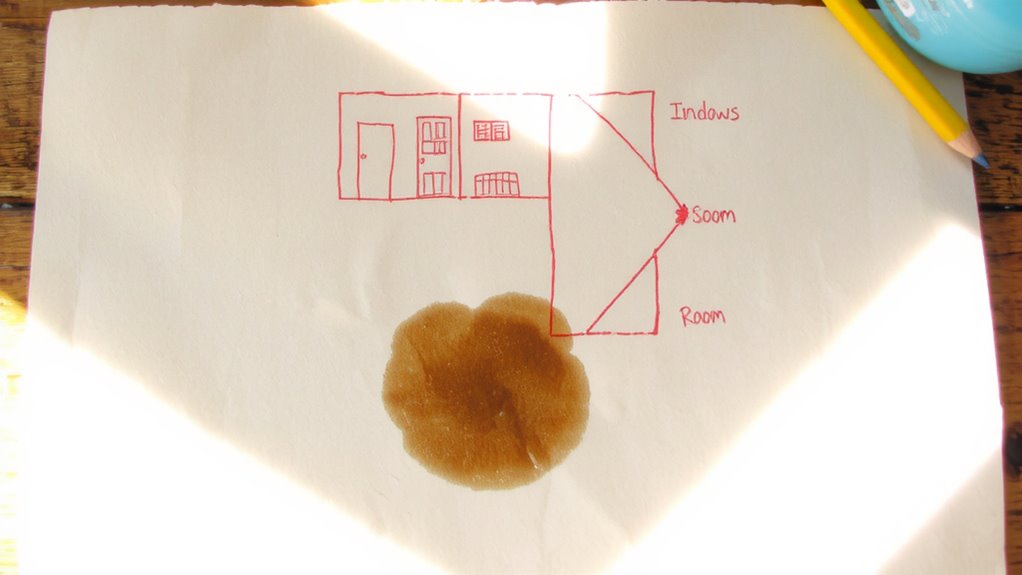
If you’ve already identified the natural disaster risks in your area, the next step is to map every exit and potential danger spot in your home, so you can respond quickly and safely during an emergency. Start by drawing a simple floor plan and marking all doors, windows, and stairways-these are your primary exits and part of your fire escape route. Identify hazard zones, like kitchens with gas stoves, cluttered hallways, or basements prone to flooding. Make sure every room has at least two ways out, and check that windows open easily and screens can be removed fast. Test each route with family members to confirm they’re accessible under stress. Keep pathways clear and lighting reliable, especially near hazard zones. A well-mapped plan guarantees everyone knows how to move safely, minimizing confusion and delays when every second counts.
Set Up Your Family Alert System

A reliable family alert system can make all the difference when seconds count, so it’s smart to set one up as a core part of your emergency plan. Start by listing your emergency contacts, including neighbors, relatives, and local responders, and share this list with everyone in your household. Use multiple communication methods-like phone calls, text alerts, or a dedicated app-so messages get through even if one system fails. Some systems offer automatic alerts during smoke or carbon monoxide detection, which adds valuable time. Consider smart home alarms that sync across devices, though they rely on power and internet. Always have a backup, like a whistle or bell, in case tech fails. Test your alert system every month and update emergency contacts as needed. A well-chosen mix of communication methods improves response speed and coordination during real emergencies. For added peace of mind, consider integrating a best panic buttons solution that provides instant alerts with a single press.
Plan for Kids, Elders, and Pets
When disaster strikes, children, older adults, and pets are often more vulnerable, so planning specifically for their needs improves safety for everyone. You must guarantee child supervision during evacuations by assigning a responsible adult to each child, reducing confusion and preventing separation. Practice this role regularly so it becomes routine. For older adults, identify mobility or medical needs in advance and pair them with a helper. Include their equipment, medications, and important documents in your plan. Pet containment is essential-use crates, leashes, or carriers to keep animals secure and prevent escape during stress. Never leave pets behind, and confirm shelters or evacuation sites accept animals. Designate a family member for pet care duties. Planning for these groups reduces risk, speeds response, and guarantees no one is overlooked during emergencies. Consider including a personal safety device for seniors who may need immediate assistance during an emergency.
Keep Supplies Ready and Accessible
Having accounted for the unique needs of children, older adults, and pets in an emergency, the next step is preparing a reliable supply kit you can grab quickly. Emergency kits should include water, non-perishable food, flashlights, batteries, first aid supplies, medications, and copies of important documents. Store at least one kit in each key area of your home, like the basement, bedroom, and garage, so multiple supply locations increase accessibility during different types of emergencies. Use durable, labeled containers that are easy to carry. Check supplies every six months to replace expired items. Keep a smaller version in your car or go-bag. Choosing centralized and well-known supply locations guarantees all family members know where to go. Well-stocked, accessible emergency kits improve response time and safety when every second counts.
Run Drills and Update Your Plan
Even though you’ve gathered supplies and assigned roles, your family won’t respond effectively under pressure unless you practice, so running regular emergency drills is essential. Conduct emergency drills every three to six months to reinforce escape routes, communication steps, and meeting points. Use these drills to observe delays or confusion, then apply those insights to your plan updates. For example, if a door is hard to open during a fire drill, adjust your route and document the change. Children and pets may react unpredictably, so include them in every session. Rotate scenarios-fire, storm, power outage-to build broad readiness. After each drill, hold a brief review to identify what worked and what didn’t. Schedule plan updates annually, or after major household changes like renovations or new family members. Consistent emergency drills and timely plan updates markedly improve safety and coordination when real emergencies occur.
On a final note
You now know your home’s risks and mapped all exits and hazards. Your family alert system works, and plans include kids, elders, and pets. Emergency supplies are stocked and easy to reach. Regular drills keep everyone prepared. Update your plan every six months or after big changes, like a renovation or new family member. Staying consistent boosts safety, guarantees quick response, and reduces risk during crises.