Designing a Multi-layered Defense Strategy: Combining Physical and Digital Security Solutions
You tighten doors and firewalls, but gaps remain if systems don’t share data. Hackers exploit weak coordination between IT and facilities, using stolen badges or social engineering. Link access cards to network logins-$3,000–$7,000 depending on size-for synchronized access. AI cameras flag tailgating or after-hours movement, cutting false alerts by learning routines. Smart sensors expand coverage but need strong passwords and updates. Unified alerts and response plans close blind spots. There’s more to reflect on in aligning your full defense layers.
Notable Insights
- Integrate physical and digital security systems to enable real-time threat detection and unified monitoring across access control, surveillance, and cybersecurity platforms.
- Close gaps between IT and facility teams through shared access logs, unified policies, and cross-functional training to prevent social engineering and insider threats.
- Synchronize access cards with network login systems to ensure consistent, role-based access and simultaneous deactivation during offboarding.
- Deploy AI-powered surveillance cameras that detect anomalies like tailgating or after-hours movement while minimizing false alerts through behavioral learning.
- Strengthen smart device networks with two-factor authentication, automatic updates, and centralized alert coordination to reduce cyber-physical breach risks.
How Security Fails When Physical and Digital Operate Separately
A single weak link can compromise your entire security system. When physical and digital security operate separately, you create security silos that hinder communication and coordination. These silos often lead to response delays during incidents, giving attackers more time to exploit vulnerabilities. For example, if a door sensor is triggered but the alert doesn’t integrate with your network monitoring, you might miss a breach until it’s too late. Studies show organizations with integrated systems detect threats up to 60% faster. Combining access control, surveillance, and cybersecurity platforms guarantees real-time data sharing. Invest in systems with unified dashboards-though they may cost more upfront, the long-term protection is worth it. Avoid piecemeal solutions; instead, plan a cohesive strategy that bridges all security layers effectively and reduces blind spots. Top-performing systems often include best security camera systems for comprehensive visual monitoring.
How Hackers Exploit Weak Links Between IT and Facility Security
Hackers don’t waste time looking for the strongest part of your security-they go after the gaps no one thinks to guard. When IT and facility teams work separately, you create openings they exploit. Social engineering tricks employees into giving up access or credentials, often through phishing or impersonation, bypassing digital and physical barriers alike. Weak coordination means a stolen badge might not trigger an IT alert, letting intruders move unseen. Insider threats are even more dangerous-a disgruntled employee with access to both building and network can cause widespread damage. These risks increase when access logs aren’t shared or monitored across departments. You need unified policies, regular cross-team training, and consistent monitoring. Spotting unusual behavior early-like login attempts after hours or tailgating at doors-can stop breaches. Close the gaps, and you take away their advantage. Integrating Home Assistant Security Cameras into your security infrastructure enables real-time monitoring and automated alerts that bridge physical and digital oversight.
Link Access Cards to Network Login Systems for Unified Control
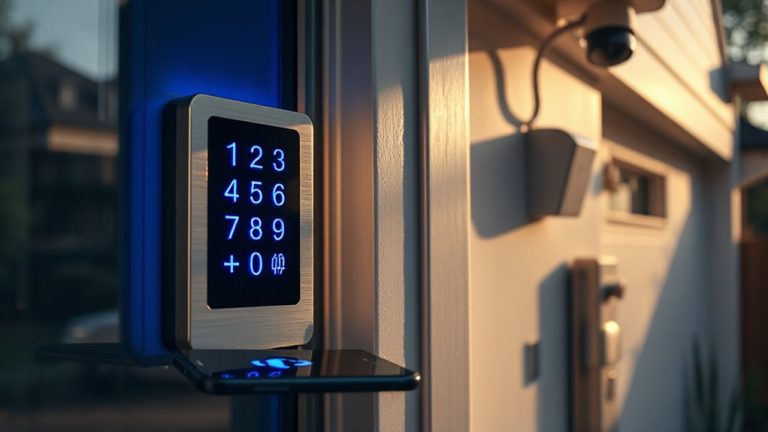
While managing both physical and digital access separately might seem efficient, linking your access cards to network login systems gives you tighter, more consistent control. You gain access convergence, meaning the same credentials secure doors and computers, reducing weak points. Card synchronization guarantees that when you deactivate a user’s network access, their physical access ends simultaneously. This integration cuts down on human error and speeds up onboarding or offboarding. Most systems start at $3,000–$7,000 depending on size, with cloud-based platforms offering easier updates. A downside is dependency on stable IT infrastructure-any network issue could briefly disrupt access. Still, the data shows fewer breaches when digital and physical logs are unified. You’ll want role-based permissions and audit trails to track entries and logins. Plan for staff training and routine system audits. This step strengthens your entire security posture without overcomplicating daily operations.
How AI Cameras Detect Tailgating and After-Hours Threats
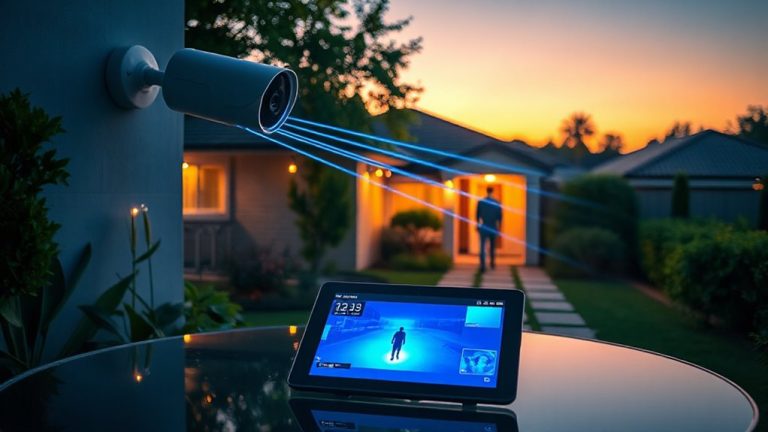
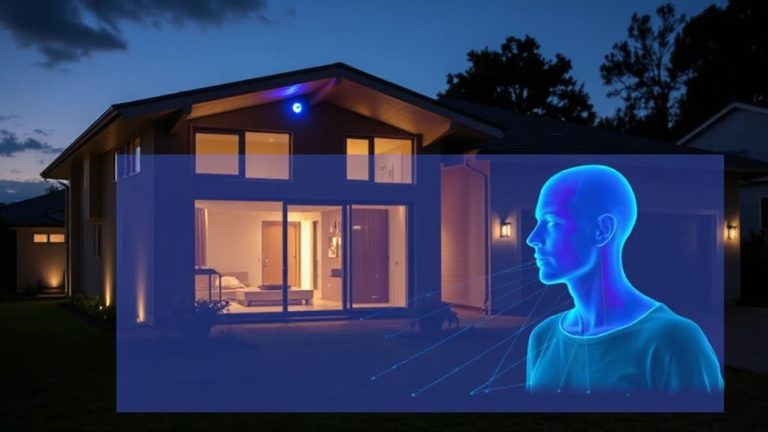
What if your security cameras could spot suspicious behavior before it becomes a problem? AI-powered cameras now do just that by using facial recognition and anomaly detection to monitor who enters your building and when. When someone tailgates-following an authorized person without scanning-they’re flagged immediately. The system compares faces in real time against a list of approved users, rejecting unknowns. After hours, any movement triggers an alert because the AI recognizes it as unusual. Anomaly detection learns normal patterns, so weekend activity or late-night cleaning crews don’t cause false alarms. These cameras work best with good lighting and clear sightlines. Higher-end models offer better accuracy but cost more. Expect to spend $200–$500 per camera, plus setup. While privacy concerns exist, proper data storage and access rules reduce risks. You gain faster threat response and stronger site control. For low-light environments, integrating best night vision devices can enhance after-hours surveillance.
How Smart Devices Connect (and Compromise) Physical and Digital Security
When your smart doorbell sends an alert about a package delivery, it’s not just showing you video-it’s linking a physical device to your home network, and that connection creates both convenience and risk. Hackers can exploit weak device authentication, letting them access feeds or piggyback onto your Wi-Fi. Strong passwords and two-factor authentication reduce this threat. You also rely on regular firmware updates to patch security flaws. Skipping updates leaves systems exposed, especially in older or budget models that receive limited support. Look for brands that offer automatic updates and clear end-of-life policies. While smart sensors and locks improve monitoring, each new device expands your digital footprint. A compromised camera or thermostat might not seem critical, but it can be the entry point for broader breaches. Balance functionality with vigilance: verify encryption standards, isolate IoT devices on a separate network, and prioritize products with a proven update history.
When Alarms and Alerts Trigger Together: What’s Your Response Plan?
A smart doorbell might alert you to a delivery, but what happens when that notification appears alongside a living room motion sensor alert and a window contact alarm-all within seconds? You’ll need clear response protocols to determine if this is a real threat or a system glitch. Without incident coordination, you risk delayed reactions or missed details. Start by grouping alerts through a central hub that verifies event timelines and sensor sources. Set up automated rules-like arming cameras when alarms trigger-to support faster decisions. Test your protocols monthly so everyone in the household knows their role. Consider professional monitoring for around $20–$50 monthly; it adds expertise but may increase false alarm risks. Prioritize systems with encrypted notifications and multi-factor authentication. Good planning doesn’t prevent all breaches, but it sharpens your response, reduces confusion, and strengthens your overall defense when seconds count.
On a final note
You reduce risk when you connect physical and digital security. Standalone systems leave gaps hackers exploit, but integrated controls-like access cards tied to network logins-strengthen protection. AI cameras detect tailgating, while smart alarms trigger coordinated responses. However, linked devices increase cyber vulnerability if not properly secured. Plan carefully: budget for quality installation, use multi-factor authentication, and update systems regularly. A unified, well-maintained strategy offers stronger, measurable defense for your home.