Maximizing Crime Prevention With Ai-Powered Smart Home Security Cameras
You can maximize crime prevention with AI-powered cameras that learn your home’s routine and spot unusual behavior, like loitering or forced entry. These systems cut false alarms by distinguishing people from pets using motion, shape, and sound analysis. They work with Alexa, Google, and smart locks to trigger instant alerts and automatic responses. For best results, choose 2K outdoor cameras with night vision and place them at entry points. Most systems need a $3–$10 monthly plan for full features, and local storage or encryption keeps your data secure. A well-placed, integrated setup adapts over time to deliver more accurate threat detection. You’ll see how small upgrades can lead to smarter, faster protection.
Notable Insights
- AI analyzes behavior patterns in real time to detect and predict potential threats before incidents occur.
- Advanced object classification and sound verification reduce false alarms from pets or environmental disturbances.
- Strategic camera placement at entry points with optimal resolution and lighting ensures comprehensive coverage and accurate detection.
- Integration with smart home systems enables automated responses like locking doors and triggering lights during threats.
- End-to-end encryption and local processing protect data privacy while maintaining high security standards.
How AI Turns Security Cameras Into Crime Predictors
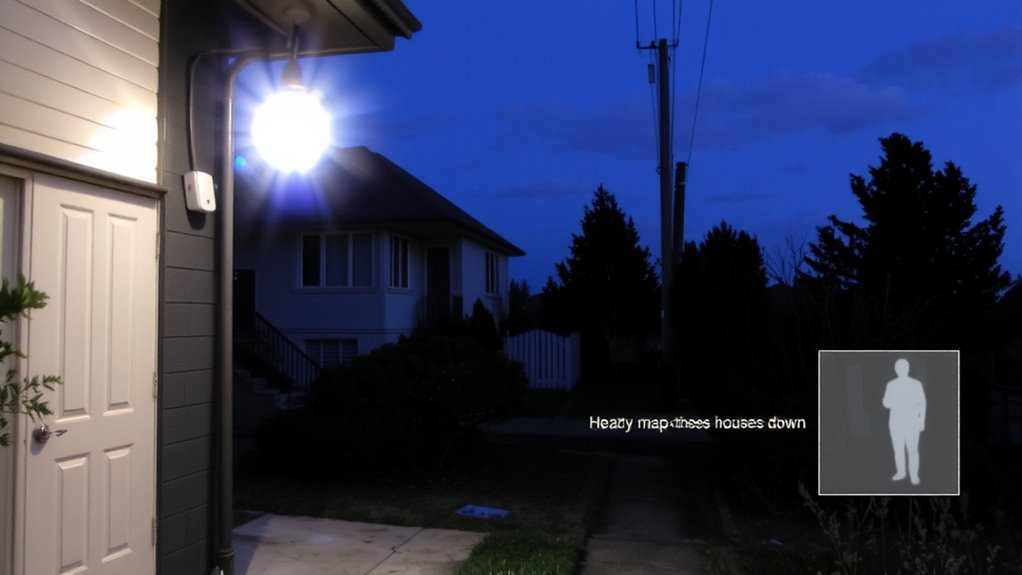
While traditional security cameras simply record footage, AI-powered systems now analyze behavior patterns to help predict potential threats before they occur. You can think of these cameras as smart observers, learning what normal activity looks like around your home. Over time, they use anomaly detection to flag anything unusual-like someone loitering near windows or moving erratically at odd hours. They compare real-time actions to established behavior patterns, triggering alerts only when deviations matter. This means fewer false alarms from pets or passing cars. Most AI cameras require a subscription for full analysis features, typically $3–$10 monthly. Look for models with local processing to reduce latency and protect privacy. Though effective, they’re not foolproof-lighting, weather, and camera placement affect performance. Pair them with motion sensors for better coverage. Top-rated systems often include features like night vision and high-resolution video for enhanced surveillance.
Spot Threats Before They Happen: AI Detection Features
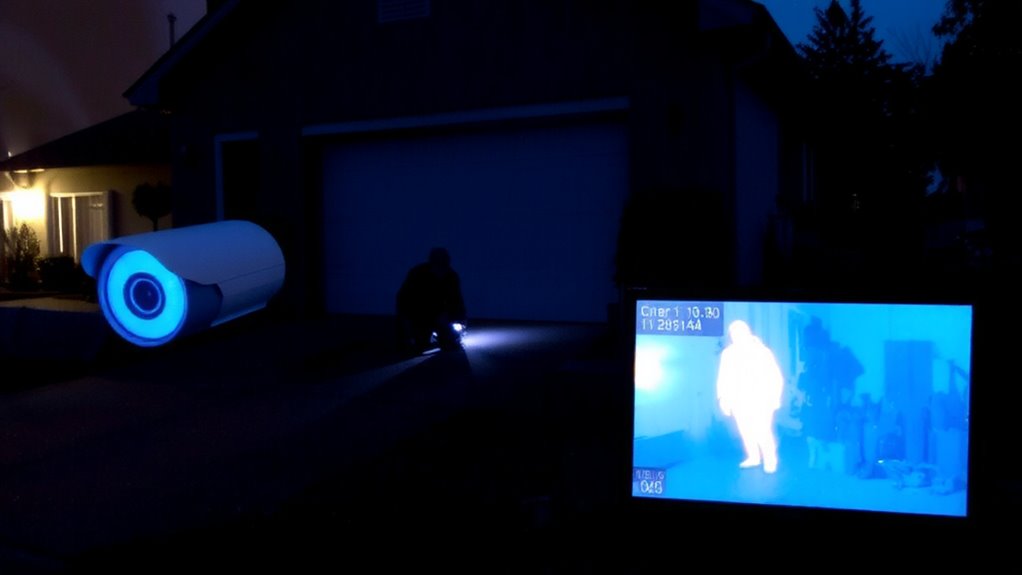
Smart detection starts with what the camera sees-and how it makes sense of it. Using AI, your camera doesn’t just record-it analyzes movement, shape, and patterns through anomaly recognition and behavioral forecasting. These features help identify suspicious behavior before an incident occurs. A reliable system often integrates with platforms like Home Assistant for centralized control and automation. Below is a comparison of key detection capabilities:
| Feature | Benefit | Limitation |
|---|---|---|
| Anomaly recognition | Flags unusual activity (e.g., loitering) | May require tuning for accuracy |
| Behavioral forecasting | Predicts risk based on movement trends | Needs consistent camera coverage |
| Object classification | Distinguishes people, pets, vehicles | Less effective in poor lighting |
You’ll see real advantages when the system learns your environment. Over time, detection becomes more precise, alerting you only when action is needed. For best results, choose models with strong machine learning support and plan for sufficient lighting and camera placement.
Stop False Alarms: How AI Distinguishes Real Risks
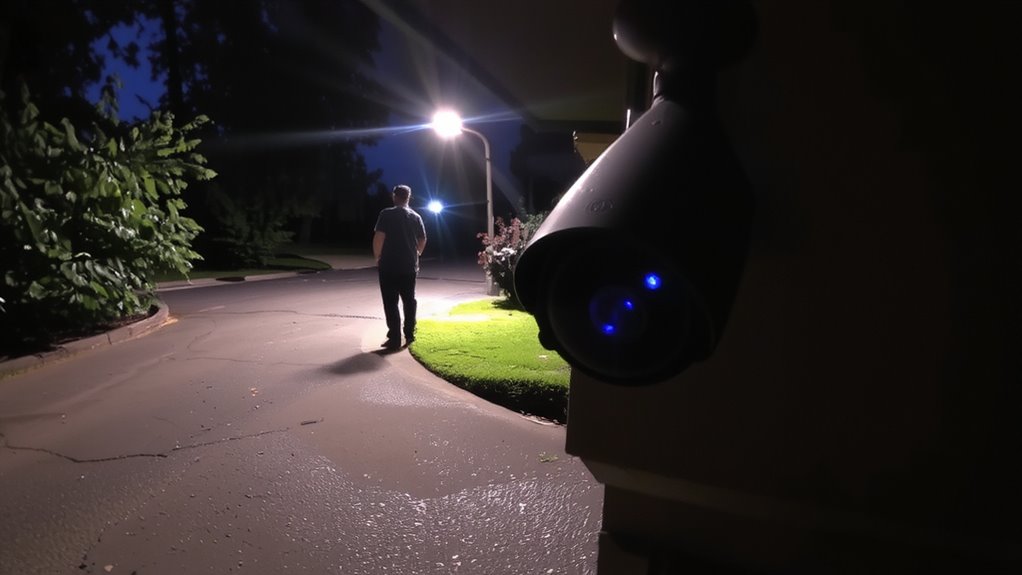
Because not every moving shadow is a threat, today’s AI-powered cameras use advanced algorithms to reduce false alarms by analyzing context, such as size, motion patterns, and shape. You’ll benefit from motion clarity that helps the system differentiate between a passing animal and a person loitering near your door. Many models now include sound verification, using audio cues like breaking glass or forced entry sounds to confirm threats. This dual analysis means fewer alerts for harmless events, saving you time and stress. Cameras with these features typically cost more, but the investment improves reliability. Look for models offering customizable sensitivity settings so you can adjust based on your environment. While no system is perfect, AI dramatically cuts false alarms compared to traditional motion sensors. You’re not just getting footage-you’re getting smarter, more accurate insights about real risks.
Choose the Best AI Camera for Your Home Size and Layout
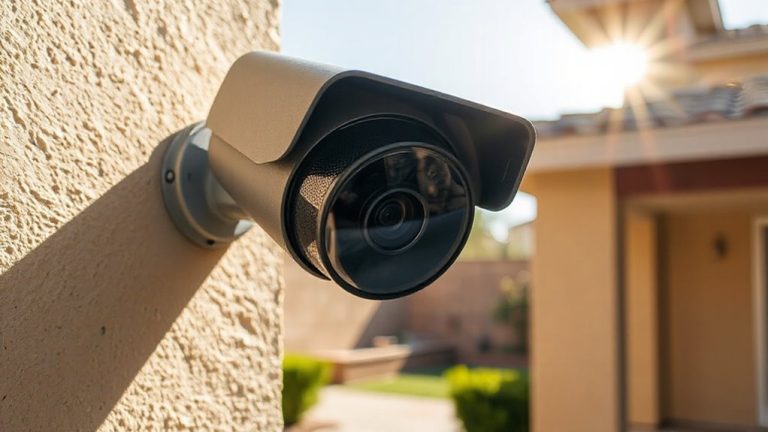
You’ve seen how AI cuts down false alarms by recognizing real threats, but just as important is picking a camera that fits your home’s unique size and layout. For small homes or apartments, a single indoor dome camera with 1080p resolution and a 110° field of view often suffices. Larger homes need multiple units-consider 2K outdoor bullet cameras with 140° views and weather resistance. Pay close attention to camera placement: mount units at entry points and corners to reduce blind spots. Lighting conditions matter too; choose models with color night vision or infrared if your home has dark areas. Wall-mounted cameras perform better in consistent lighting, while battery-powered models offer flexible placement but may struggle in extreme temperatures. Always test detection range before final installation. A well-placed camera in ideal lighting boosts AI accuracy and overall coverage, ensuring reliable monitoring no matter your home’s shape or size. Comprehensive security also includes high-quality door locks, and selecting from the Best Locks Worldwide can further strengthen your home’s defense against intrusions.
Connect to Alexa, Google, and Smart Locks Seamlessly
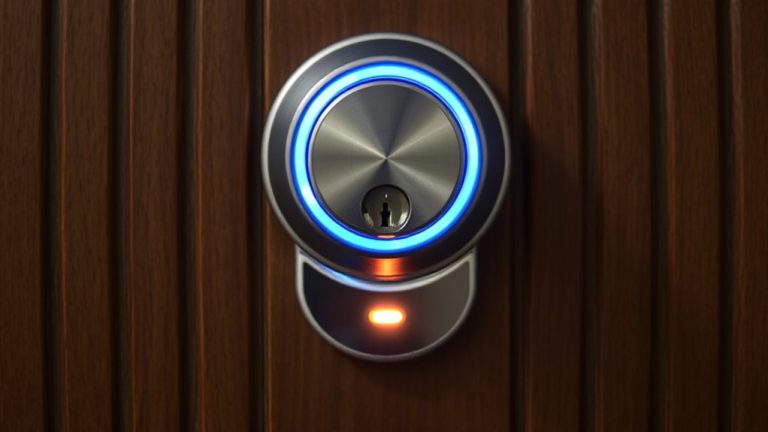
While standalone cameras offer basic monitoring, integrating your AI security system with voice assistants and smart locks enables greater convenience and control. Voice integration lets you check camera feeds or arm smart locks using simple commands with Alexa or Google. This seamless automation strengthens security by linking devices into one responsive network. Below is a quick comparison:
| Feature | Alexa Support | Google Assistant | Smart Lock Compatible |
|---|---|---|---|
| Voice commands | Yes | Yes | Yes |
| Real-time control | Yes | Yes | Yes |
| Setup difficulty | Low | Low | Medium |
| Monthly fee required | Some features | Some features | Varies by brand |
With seamless automation, your lights, locks, and cameras react together. Choose systems with strong voice integration and check compatibility before buying. Setup is usually simple, but smart lock pairing may need extra steps.
Instant Alerts and Automatic Responses That Protect Faster
When an unexpected event happens at home, getting alerts fast can make all the difference. With real time monitoring, your AI-powered camera detects motion or sound and sends instant notifications to your phone, tablet, or smart display. You’ll know right away if someone’s at your door or if a window sensor is triggered. Many systems offer automated lockdown, which can secure smart locks, close garage doors, and turn on lights automatically when a threat is detected. These responses happen in seconds, helping deter intruders before you even arrive. Real time monitoring works best with a stable internet connection and a subscription plan, usually $10–$30 per month. While false alerts can occur, AI reduces them by distinguishing people from pets or shadows. For faster protection, pair instant alerts with automated lockdown-this combo acts quickly, reliably, and keeps your home safer with minimal effort on your part.
Keep Data Private: Built-In Security You Can Trust
Smart home security cameras do more than monitor your property-they also handle sensitive data like video feeds and personal schedules, so protecting that information matters just as much as locking your doors. You need systems with strong data encryption to keep hackers from intercepting video streams. Look for end-to-end encryption, which guarantees only you can access the footage. Secure storage is equally important: choose cameras that offer local storage options or encrypted cloud backups. Some systems let you control who sees the data, adding privacy you can trust. Avoid brands without clear privacy policies or regular security updates. Though encrypted systems may cost slightly more, the added protection is worth it. Always check for third-party security certifications before buying. With the right setup, you keep your data private and your home safer in the long run.
On a final note
You can reduce break-ins by choosing AI-powered cameras that detect real threats, not just motion. These systems cut false alerts by analyzing behavior, send instant notifications, and work with smart locks for faster response. Look for models with strong encryption and local storage to protect privacy. Larger homes may need multiple cams with wide views, raising costs. Always check compatibility with Alexa or Google.