How to Safeguard Sensitive Areas Like Garages and Sheds Against Theft
Upgrade locks with hardened steel deadbolts and UL 437 certification, using tamper-resistant screws and reinforced strike plates for stronger defense. Install motion-sensor LED lights ($30–$100) to eliminate dark zones and deter intruders. Add weather-resistant security cameras ($80–$200) with night vision and remote alerts. Reinforce garage doors and shed walls with metal plating and pressure-treated frames. Store tools in anchored steel cabinets or safes. Smart openers and decoy systems add extra layers. More smart steps can help secure your space even further.
Notable Insights
- Upgrade garage and shed locks with hardened steel deadbolts and UL 437-certified padlocks to resist cutting and picking.
- Reinforce garage doors and shed walls using steel plates, solid-core materials, and pressure-treated framing.
- Install motion-sensor LED lighting around all access points to eliminate dark zones and deter intruders.
- Deploy weather-resistant security cameras with night vision and motion alerts at key entry points.
- Secure tools in anchored, lockable steel cabinets or safes to prevent theft of valuable equipment.
Upgrade Locks for Maximum Garage and Shed Security
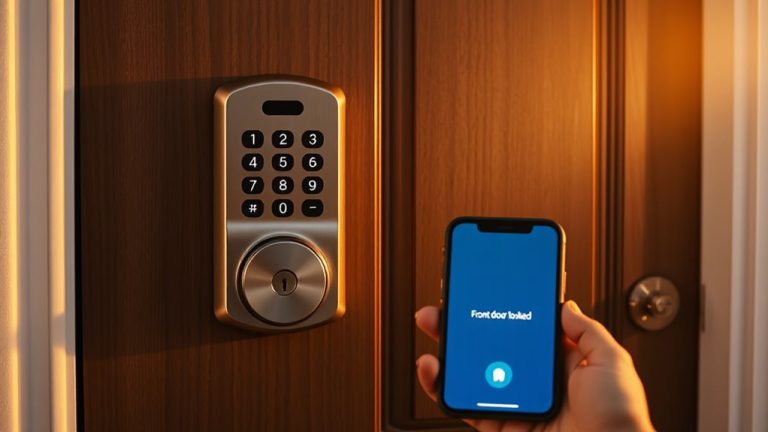
A single weak lock can compromise your entire garage or shed, so upgrading to a high-quality locking Gegresies is one of the most effective steps you can take to improve security. You should replace flims cycle latches with deadbolts or padlocks made of hardened steel, as they resist cutting and picking. Install reinforced strike plates using tamper resistant screws, which prevent removal with standard tools. These plates spread force across the door frame, making it harder to kick in the door. Choose locks with UL 437 certification for proven resistance to attacks. While upgrades cost $20–$60, they offer strong protection compared to basic hardware. Avoid cheap padlocks, as they’re easily compromised. Combine sturdy locks with reinforced strike plates and tamper resistant screws for a layered defense. This approach deters forced entry markedly, especially when paired with solid door construction. Consider installing best window locks for additional protection on any garage or shed windows.
Brighten up With Motion-Sensor Outdoor Lighting
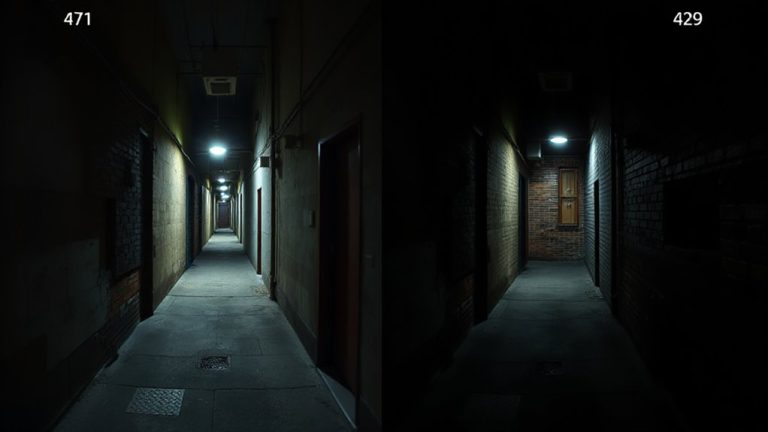
When intruders approach, they typically prefer to stay out of sight, so installing motion-sensor outdoor lighting around your garage and shed dramatically reduces the chance of a break-in by eliminating dark entry points. You benefit from both deterrence and visibility, especially when lights activate the moment someone comes near. Proper light placement is key-position fixtures to cover all access sides, including doors and windows, and angle them to avoid shadows. Many models now offer excellent energy efficiency, using LED bulbs that last longer and draw less power. Look for units with adjustable sensitivity and time controls so you can customize performance. While initial costs range from $30 to $100 per light, the investment pays off in stronger security and lower utility bills. Reliable brands include Ring, Philips, and Lithonia. Avoid placing lights too high or too close together to guarantee full, effective coverage without dark gaps. For dependable performance, consider one of the top picks from expert-tested motion sensor flood lights.
Add Security Cameras for 24/7 Shed Monitoring
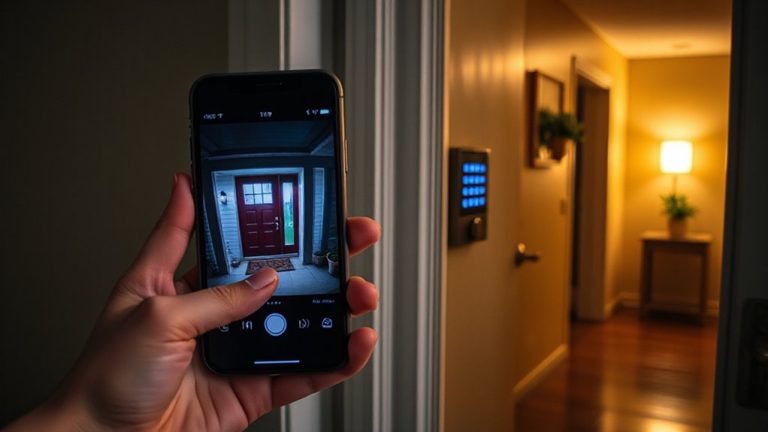
Bright lighting helps keep intruders away, but pairing it with security cameras gives you constant awareness of what’s happening around your shed. You can spot suspicious activity in real time, especially with night vision that captures clear footage after dark. Most modern cameras offer remote viewing, so you can check your shed from your phone anytime, whether you’re at work or on vacation. Look for models with weather resistance and motion alerts to boost effectiveness. Wired systems provide reliability, while wireless ones offer easier installation. Expect to spend $80–$200 per camera, depending on features. Don’t place cameras too high or too far away-position them to cover all entry points. Recordings can help law enforcement if a break-in occurs. Make sure your camera stores footage securely, either on a cloud platform or local drive. For reliable options, consider checking out the best garage cameras based on expert testing and user reviews.
Strengthen Garage Doors and Shed Walls Against Break-Ins
While most break-ins target weak entry points like doors and walls, reinforcing your garage and shed structures can dramatically reduce the risk. You should reinforce hinges with metal plates and longer screws to prevent them from being pried loose. For garage doors, install a heavy-duty lock and consider upgrading to a solid-core or steel-reinforced model if yours is flimsy. Shed walls made of thin wood or metal are easy to break through, so add exterior-grade plywood or metal sheeting for extra strength. Always fortify frames using pressure-treated lumber or steel supports to resist crowbar attacks. Use tamper-resistant fasteners for all reinforcement work. These upgrades typically cost $50–$150 and take a few hours. Though not foolproof, they markedly delay intruders and increase the chance they’ll abandon the attempt.
Store Tools in Lockable Cabinets or Safes
A locked cabinet or safe keeps your tools secure and deters theft, especially since power tools and lawn equipment are common targets. Proper tool organization inside the cabinet helps you quickly locate items and guarantees nothing’s missing. Use bins, shelves, or pegboards to maximize space and efficiency. Always anchor your cabinet to the floor or wall-a step known as cabinet anchoring-to prevent thieves from moving or breaking into it. Unanchored units can be carried away, even if locked. Look for models with solid steel construction and tamper-resistant locks, whether key-based or combination. While basic cabinets cost $100–$200, heavy-duty safes range from $300–$600. Though more expensive, they offer better long-term protection. Weigh the value of your tools against replacement costs when choosing. A small upfront investment can prevent significant losses later.
Install Smart Garage Openers for Remote Access
How often do you worry about whether you left the garage door open? With a smart garage opener, you won’t have to. These devices give you remote access so you can check and control your garage door from anywhere. Using smartphone control, you can close the door if you forgot, even after leaving home. Most models connect to your Wi-Fi and work with apps on iOS and Android. They often cost $100–$200, including installation. Look for features like encryption and two-factor authentication to strengthen security. Some systems also let you create temporary access codes for guests. A potential downside is reliance on internet connectivity-if it fails, access may be limited. Still, the convenience and peace of mind outweigh the risks for most users. Smart openers are a reliable upgrade, combining modern tech with practical home security.
Use Decoy Cameras and Signs to Scare Off Intruders
If you’re looking for a low-cost way to deter thieves, placing decoy security cameras and warning signs around your garage or shed might be more effective than you think. Fake surveillance devices look like real cameras but don’t record, saving you money on installation and monitoring. Paired with visible warnings like “Protected by Surveillance” signs, they create the impression of constant monitoring. Studies show that most burglars avoid properties with even perceived security measures. These tools work best when placed in clear sightlines, such as corners or entry points. While they won’t capture evidence, they can discourage opportunistic intruders. For about $10–$20 per decoy camera and $5–$10 per sign, you gain psychological protection at minimal cost. Combine them with real locks or lights for stronger defense. They’re not a full solution, but they’re a smart, budget-friendly layer.
On a final note
You’ve taken smart steps to protect your garage and shed by upgrading locks, adding motion lighting, and installing cameras. These measures, backed by crime prevention studies, reduce break-in risks markedly. Consider combining visible deterrents like signs with hidden safeguards like lockable tool cabinets. Weigh costs: basic locks are affordable, while smart openers range higher. Plan a layered approach for best results. Small investments now can prevent costly losses later.