Using Physical Barriers as a Last Line of Defense Against Unauthorized Entry
You can’t rely on alarms alone-they alert but don’t stop intruders, often triggering too late. Physical barriers like steel gates, reinforced doors, and security bollards delay entry long enough to deter most attempts, especially since intruders typically abandon break-ins after 60 seconds. Focus on securing vulnerable points like side doors and ground-floor windows with durable materials like reinforced steel. Pair barriers with cameras and motion lighting for stronger protection. There’s more to contemplate when planning your defense.
Notable Insights
- Physical barriers like reinforced gates and bollards delay intruders, making them more effective than alarms alone.
- Reinforced steel doors and windows resist forced entry better than wood or hollow materials.
- Back and side doors should be reinforced first, as they are common, vulnerable entry points.
- Bollards, especially ASTM M50-rated, prevent vehicle ramming attacks on building entrances.
- Pair barriers with surveillance and lighting to detect, deter, and document unauthorized access attempts.
Why Alarms Fail: And Why Physical Barriers Are Essential
While alarms can alert you to a break-in, they don’t stop an intruder from entering-once triggered, the damage is often already done. Alarm limitations mean you’re reacting, not preventing. You might get a notification, but by then, the intruder’s already inside. That’s where physical barriers come in. Barrier necessity is clear: they delay and deter. Studies show intruders often abandon attempts when entry takes more than 60 seconds. Strong doors, reinforced frames, and window locks add vital time. Unlike alarms, barriers work without power or Wi-Fi. They’re always active. Yes, alarms help, but they’re not enough alone. Pairing them with solid barriers gives layered defense. Think of alarms as detectors, not defenders. For real security, invest in both-especially barriers. They’re the front line, not an afterthought. Upgrading to best security doors can significantly increase resistance to forced entry.
Top Physical Barrier Types That Delay Intruders
Because you need more than just a warning when it comes to home security, choosing the right physical barriers can make a real difference in slowing down an intruder. Reinforced gates, built with steel or wrought iron, resist forced entry better than standard models and work well at driveway entrances. Most last decades with minimal maintenance, though higher-quality models cost more upfront. Security bollards, short posts installed in rows, stop vehicles from ramming through fences or walls. They’re especially useful if your home has open access points near doors or windows. Fixed steel bollards offer the strongest protection, while retractable ones provide flexibility at a higher price. Both options give security systems more time to respond. When installed correctly, these barriers reduce breach risks substantially. You’ll want to contemplate material strength, local threats, and installation costs when choosing.
Where to Place Barriers for Maximum Defense
You’ve considered the strongest types of physical barriers, and now it’s time to think about where they’ll do the most good. Strategic placement is key-barriers only work if they guard vulnerable access points. Focus on doors, windows, garages, and side entries criminals often target. Reinforce back and side doors first-they’re less visible and more likely to be attacked. A highly effective option for door defense is using a security door stopper, which can significantly increase resistance against forced entry.
| Location | Risk Level | Peace of Mind |
|---|---|---|
| Front Door | Moderate | High |
| Back Door | High | Higher |
| Ground Floor Windows | High | Highest |
| Garage Entry | Moderate | High |
Position barriers where break-ins are most likely, not just where it’s convenient. Evaluate your home’s layout and sightlines. Criminals avoid attention, so isolated or shadowed areas need stronger defense. Proper strategic placement turns weak spots into secure zones, reducing risk without overbuilding.
Materials That Stop Forced Entry (And Which Ones Don’t)
A strong door won’t help if it’s made from the wrong material, and not all barriers offer real protection. You need materials proven to resist force. Reinforced steel is one of the best choices for doors and frames-it withstands prying, cutting, and impact far better than wood or hollow metal. It’s more expensive, but the added security justifies the cost for high-risk areas. Lightweight aluminum or thin plastic barriers, on the other hand, fail quickly under pressure and shouldn’t be relied on. For vehicle-based threats, concrete bollards are highly effective. Installed correctly, they stop ramming attacks and meet safety standards like ASTM M50. Cheap metal posts won’t provide the same resistance. Always verify material specs and installation depth-poor setup weakens even the strongest materials. Choose wisely based on threat level and evidence-backed performance.
Pair Physical Barriers With Surveillance to Close Security Gaps
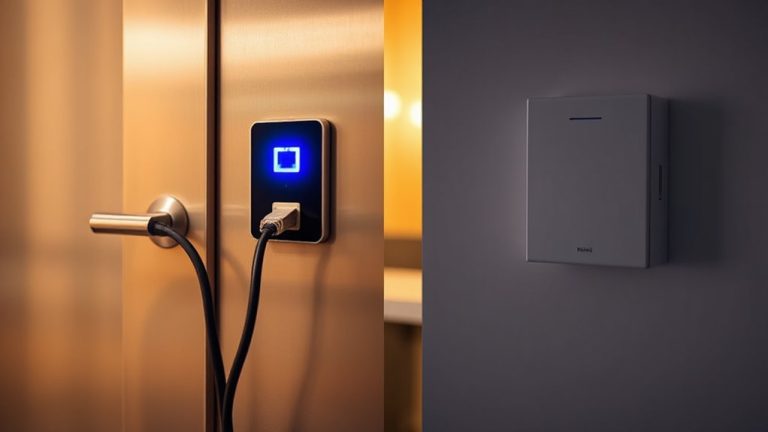
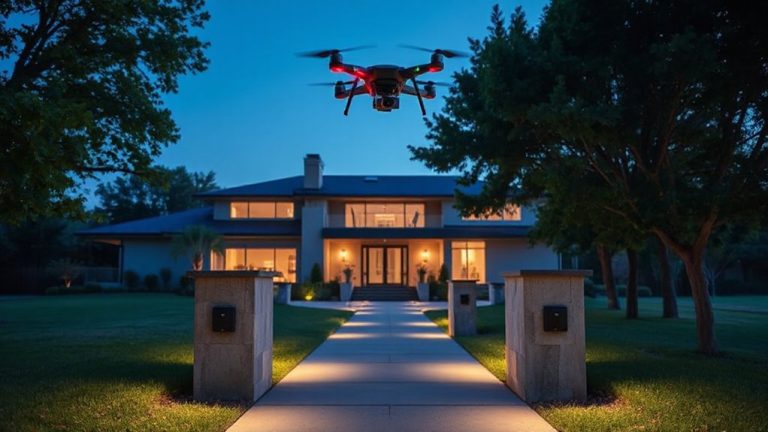
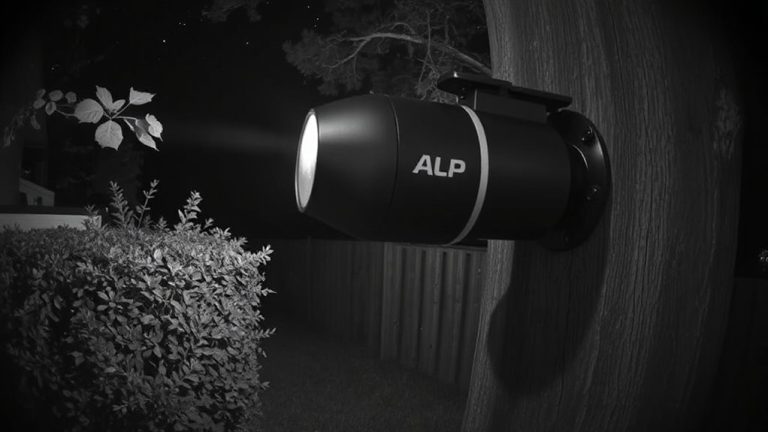
Strong materials like reinforced steel doors and concrete bollards provide solid resistance against forced entry, but they work best when part of a broader strategy. You should pair them with surveillance to close security gaps. Cameras placed near barriers let you monitor activity in real time, and when combined with security lighting, they reduce blind spots and deter intruders. Motion-activated lights make it harder for someone to approach unnoticed. Access control systems-like keypads or card readers-add another layer, guaranteeing only authorized people get near entry points. Together, these tools create overlapping defenses that are harder to bypass. Surveillance footage also provides evidence if a breach occurs. While adding cameras and lighting increases upfront costs, the investment improves detection and response. Plan placement carefully: cover all access points and guarantee lighting reaches every barrier. This integrated approach is more effective than physical barriers alone. For optimal coverage, consider installing best security cameras for your home that offer reliable motion detection and night vision.
On a final note
You can’t rely on alarms alone-physical barriers are your last, critical defense. Strong doors, reinforced frames, and window bars delay intruders longer than sensors or cameras. Materials like steel and polycarbonate outperform wood or cheap alloys. Place barriers at ground-level entries, and pair them with surveillance to spot weaknesses. Though installation costs vary, the added protection is proven. Plan carefully, invest in quality, and test regularly to guarantee your home stays secure.