How to Choose the Right Home Alarm System Based on Home Size and Layout
Choose a system that matches your home’s size-under 1,500 sq ft? A basic wireless kit with door sensors and one motion detector works. For homes over 3,000 sq ft, go with extended-range systems, multiple sensors, and smart integrations. Cover all entry points like doors and ground-level windows, and add motion detectors in high-risk zones. Wireless suits renters and DIYers; hardwired offers reliability but needs professional install. Larger or multi-floor layouts benefit from smart zoning and custom alerts to reduce false alarms-there’s more to weigh for best coverage.
Notable Insights
- Match your alarm system to your home’s square footage, with larger homes needing more sensors and extended coverage.
- Prioritize securing all entry points like doors, windows, and garages with contact sensors and motion detectors.
- Choose wireless systems for easy DIY installation in small or rented spaces, especially under 1,500 sq ft.
- Install multiple sensors, smart alarms, and cameras in homes over 3,000 sq ft for comprehensive protection.
- Use smart zoning to group areas efficiently, enabling motion detection in hallways and custom alerts by zone.
Pick the Right Home Alarm System for Your Space
How do you know which alarm system fits your home best? Start by matching the system to your space’s size and layout. If you have a small apartment, a basic wireless kit with door sensors and a motion detector often suffices. Larger homes may need multiple sensors, cameras, and smart alarms for full coverage. Consider home aesthetics-wired systems offer clean, hidden installations but require professional setup. Wireless models are easier to install and blend well with modern decor. Don’t overlook budget considerations: wireless systems cost less upfront but may have monthly monitoring fees. Wired ones are costlier initially but usually cheaper long-term. Compare features like battery life, app control, and integration with smart home devices. Balance protection needs with appearance and affordability. Choose a system that’s effective, fits your living space, and aligns with your financial plan. A reliable option for many households is a best home alarm system that combines ease of installation with robust monitoring features.
Map Entry Points and High-Risk Areas First
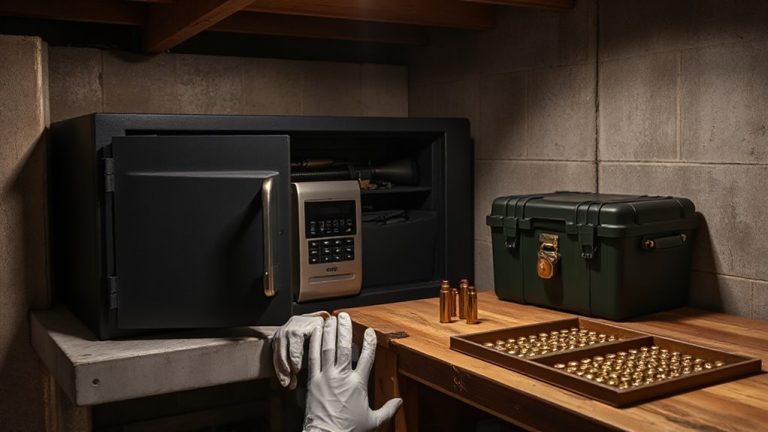
Start with a sketch of your home’s layout to identify all potential access points and vulnerable zones. You’ll want to mark every door, window, and garage entry-these are your main entry points. Burglars often target weak spots, so pay close attention to secluded windows, sliding glass doors, or basement exits. These are typical high risk areas. Also consider interior spaces like safes, medicine cabinets, or home offices with valuables. Once mapped, prioritize sensors for these zones. Entry points usually need contact sensors, while high risk areas benefit from motion detectors. This step guarantees your alarm system covers threats effectively, without gaps. Skip this, and you might miss critical spots even with an advanced system. Mapping isn’t complicated, but it boosts protection. Use your sketch to plan device placement-it’s a small effort with real security payoff. A reliable best home alarm system will offer customizable sensor placement to match your home’s unique layout.
How Big Is Your Home? Match System Size to Square Footage
Your home’s square footage plays a key role in determining the right alarm system size, so it’s worth getting the numbers right. Smaller homes under 1,500 sq ft usually need fewer sensors and a basic control panel, making them cost-effective and simple to monitor. For homes between 1,500 and 3,000 sq ft, consider a mid-tier system with expanded coverage to reach all zones evenly. Larger homes over 3,000 sq ft often require multiple sensors, extended range, and integration with climate control and home insulation systems to guarantee consistent performance. Poor insulation or uneven heating can affect sensor reliability, especially in older buildings. Matching system capacity to your home’s size prevents gaps in protection and avoids overspending on unnecessary features. Always account for layout complexity and environmental factors when choosing equipment scale and placement for maximum security coverage.
Wireless vs. Hardwired: Which Fits Your Home Type?
What if installing an alarm system didn’t require tearing into walls or rewiring your entire home? Wireless systems offer easy setup and strong signal strength, making them ideal for renters or older homes. Hardwired systems deliver consistent performance but come with higher installation complexity. Your home type determines which option fits best.
| Feature | Wireless System | Hardwired System |
|---|---|---|
| Signal strength | Good (varies with walls) | Excellent (stable) |
| Installation complexity | Low (DIY-friendly) | High (professional help) |
| Upfront cost | Lower | Higher |
| Reliability over time | Requires battery checks | More durable |
Choose wireless if you value flexibility and quick setup. Pick hardwired for long-term reliability in new construction or major renovations.
How Many Sensors Does Your Home Alarm System Need?
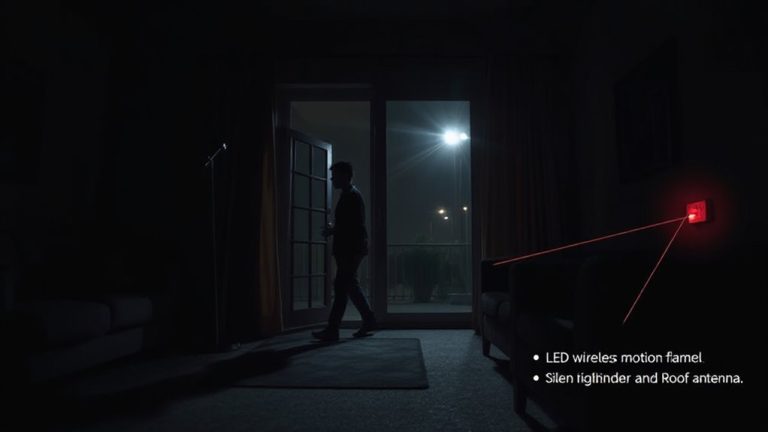
A well-designed alarm system depends not just on whether you choose wireless or hardwired components, but on how thoroughly it covers your home. You’ll typically need a sensor on every exterior door and ground-level window, which means a standard three-bedroom home might require 8 to 12 sensors. Proper sensor placement is critical-install them where intruders are likely to enter, but avoid areas with high heat or vibration to prevent false alarms. Consider alarm sensitivity settings too; too high and you’ll get nuisance triggers, too low and threats might go undetected. Entry points should have immediate response sensors, while less vulnerable areas can use delayed triggers. Assess your layout carefully: more complex spaces often need more sensors, but strategic placement improves efficiency. Aim for balanced coverage without overloading the system, and check manufacturer recommendations for ideal spacing and compatibility. For cost-effective options that scale with your space, explore the best home security systems for every budget.
Use Smart Zoning for Multi-Floor or Split-Level Homes
While multi-floor and split-level homes offer unique living layouts, they also present challenges for alarm system design that require more than a one-size-fits-all approach. You’ll need smart zoning to manage security efficiently across different levels. By dividing your home into distinct zones, you can place motion detection sensors where they’re most effective, like stairwells and hallways between floors. This guarantees coverage without overlaps or gaps. Use access control devices like smart locks and door sensors on entry points between zones, such as basement doors or garage access. Systems with zoned arming let you secure only unoccupied areas, improving convenience. Wired systems offer reliability, while wireless provides easier installation. Plan zones around your family’s movement and daily routines for best performance. Smart zoning enhances both security precision and system efficiency across complex home designs.
Customize Alerts by Home Zone to Avoid False Alarms
How often do false alarms disrupt your day? Customizing alerts by home zone helps reduce unnecessary notifications. By using alarm grouping, you can assign sensors in similar areas-like the kitchen or garage-to one zone, minimizing triggers from pets or routine motion. With notification filtering, you decide which alerts reach your phone and which are logged silently. For example, you might get instant alerts from entryways but delayed or no notifications from low-risk zones. This setup improves accuracy and keeps you informed without overload. Most modern systems support these features, though advanced filtering may require a subscription. Consider your household’s habits when planning zones, and review alert settings every few months. Proper configuration saves time, reduces stress, and guarantees real threats don’t get lost in the noise.
On a final note
You should match your alarm system to your home’s size and layout. Larger homes need more sensors and smart zoning to cover all areas. Wireless systems offer easy setup, while hardwired models provide reliability. Map entry points and split levels to plan sensor placement. Custom alerts reduce false alarms. Consider upfront costs and long-term monitoring fees. A well-planned system boosts security without overspending.