Evaluating Cost-Benefit Analysis of Investing in Long-Term Smart Home Security Solutions
You’re likely already spending over $150 a year on subscriptions, and adding smart home security can increase costs if you overlook long-term fees, device replacements every 3–5 years, or rising monitoring prices. Yet, systems with smart thermostats, motion-sensing lights, and insurance discounts can save $300+ annually. Look for local storage, open standards, and reliable motion detection to cut subscription dependence and false alarms. Strong installation boosts lifespan. Smart integration keeps your system relevant-see how your choices add up over time.
Notable Insights
- Smart security systems can save $131 annually via energy efficiency and lower insurance premiums.
- Subscription fatigue and device replacement every 3–5 years significantly increase long-term ownership costs.
- Local storage and open-standard systems reduce reliance on recurring cloud fees and future obsolescence.
- Poorly encrypted systems risk data breaches, increasing financial and privacy vulnerabilities over time.
- Professional installation enhances system reliability and longevity, reducing costly repairs or failures.
Where Long-Term Smart Home Security Really Costs You
What if the real cost of smart home security isn’t just your monthly bill? You might face subscription fatigue, where constant fees for monitoring, cloud storage, or app features add up silently over time. What starts as $10 a month can grow into $150+ yearly across multiple services. On top of that, device obsolescence means your smart camera or hub could become outdated in three to five years. Manufacturers often stop supporting older models, leaving you with security gaps or forced upgrades. Unlike traditional locks, smart systems rely on evolving software and connectivity. Budgeting should include not only service fees but also device replacement cycles. Look for brands offering extended support and local storage to reduce long-term costs. Plan for these hidden expenses early to avoid surprise bills and system failures down the road. A reliable option to minimize ongoing costs is choosing wireless security cameras no subscription needed that store footage locally and provide robust functionality without mandatory fees.
How Smart Security Systems Save Money Over Time
You’ve weighed the hidden expenses like subscription fatigue and device obsolescence, but smart security systems can still deliver net savings over time when set up strategically. Energy savings from automated lighting and climate controls reduce utility bills, while many insurers offer discounts of 5–20% for monitored systems. Over five years, these reductions accumulate meaningfully. Choosing best home alarm systems can further enhance long-term value by ensuring reliability and compatibility.
| Feature | Annual Savings | Long-Term Benefit |
|---|---|---|
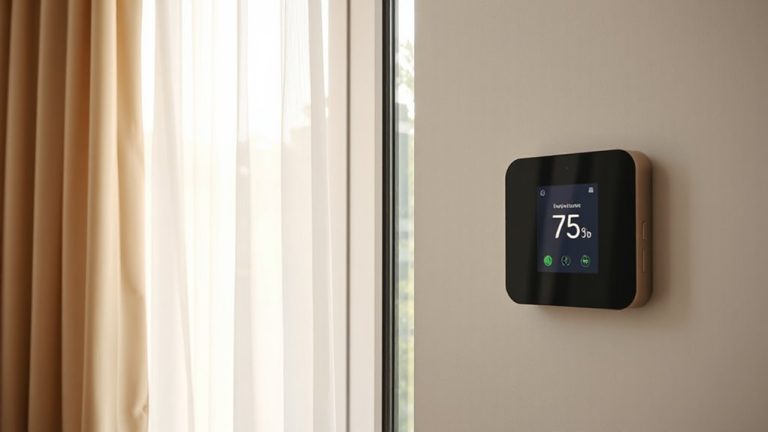
| Smart thermostat | $131 | Lower energy bills |
| Motion-sensing lights | $50 | Reduced electricity use |
| Professional monitoring | $120 | Insurance discounts |
| Integrated sensors | $0 | Fewer false alarms, lower premiums |
Properly configured systems pay for themselves. Focus on devices with open standards and local processing to avoid future costs. Plan for minimal subscriptions and prioritize energy savings and insurance discounts to maximize return.
Hidden Costs of Long-Term Smart Home Security
While smart security systems offer long-term savings, they also come with hidden costs that can add up over time if not planned for carefully. You might overlook subscription inflation, where monthly monitoring fees rise yearly, sometimes doubling over five years. What starts as an affordable add-on can become a heavy burden. Plus, many systems require cloud storage subscriptions to access recordings-another recurring cost. Then there’s the risk of data breaches, which could compromise your privacy and lead to financial loss. Cheaper systems often cut corners on encryption, increasing vulnerability. You’ll want to check each provider’s security history and data protection standards. Always read the fine print on contracts and auto-renewals. Consider self-hosted or local storage options to reduce reliance on subscriptions and lower exposure to data breaches. Plan your budget with these long-term expenses in mind. Some cameras offer continuous recording without mandatory cloud fees, making them more cost-effective over time.
Top Features That Pay Off in Lasting Security
Smart home security pays off over time when you invest in features proven to enhance protection and reduce risks. Motion detection is one such feature, alerting you to unexpected movement around your property, day or night. Paired with remote monitoring, you can view live video feeds from your phone or tablet, no matter where you are. That real-time access lets you verify threats and respond quickly, potentially preventing break-ins. Systems with reliable motion sensors cut down false alarms, saving time and stress. Remote monitoring also helps track deliveries, pets, or kids after school. Look for models with cloud storage and encryption to keep footage secure. Though higher upfront, these features often lower insurance premiums and deter crime. Choose devices with long-term app support to avoid obsolescence. Together, motion detection and remote monitoring deliver lasting, measurable security benefits.
DIY vs. Professional: Which Lasts Longer?
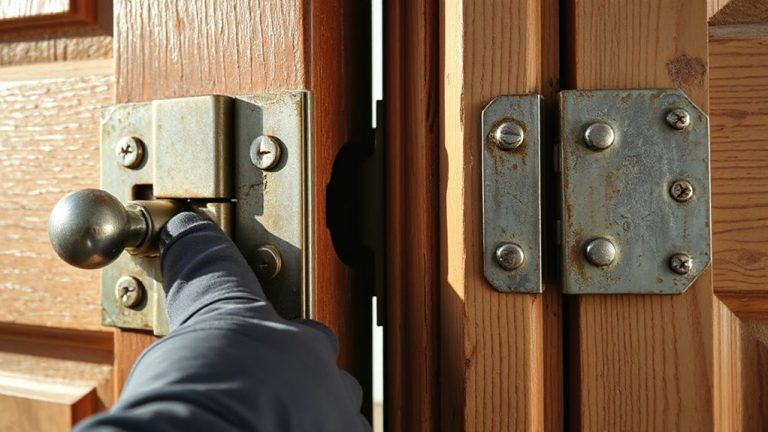
A well-installed security system can last years, but how it’s set up-yourself or by a pro-makes a big difference in long-term performance. If you choose DIY, you’ll save money upfront, but system durability often depends on your skill level. Poor wiring, misaligned sensors, or weak mounting can lower installation quality and lead to failures. Professionals bring experience, tools, and testing procedures that guarantee every component works as intended. Studies show professionally installed systems have fewer service issues over time, contributing to longer lifespans. While DIY offers flexibility and lower cost, it may require more maintenance. For best results, choose professional installation if you value reliability and long-term performance. High installation quality directly supports system durability, making it a smart investment for lasting home security.
Smart Home Integration: Keeping Security Systems Relevant
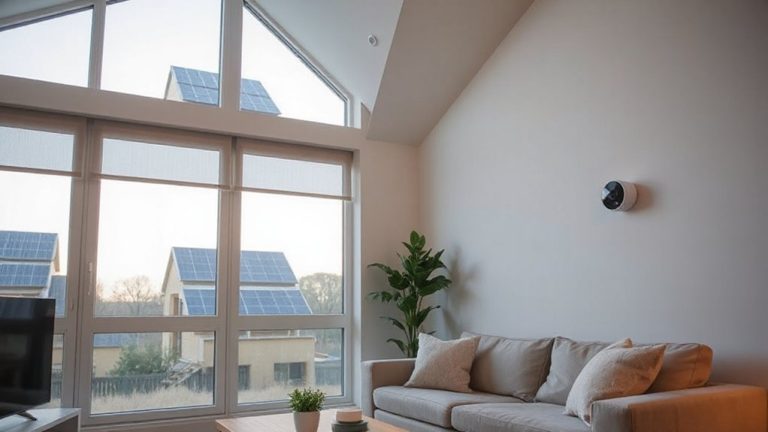
Your security system’s longevity depends on more than just installation quality-it also needs to keep up with how homes are changing. As smart devices become standard, your system must support future compatibility with new technology. Choosing a platform with strong system scalability lets you add cameras, sensors, or smart locks without replacing the entire setup. Look for systems using open standards like Zigbee or Z-Wave, as they’re more likely to integrate with upcoming devices. Closed ecosystems may limit upgrades and increase long-term costs. Regular software updates are essential-check if the manufacturer provides them reliably. Systems with mobile app control and voice assistant support tend to stay relevant longer. Prioritize brands known for interoperability and third-party integrations. Planning around these features now reduces the need for premature replacements, saving money and maintaining protection as your home evolves.
Will Your System Last 5+ Years?
While no security system comes with a guaranteed lifespan, choosing one designed for long-term use can save you hundreds over time. You’ll want a system built with durable components and regular software updates to fight off system obsolescence. Many budget models become outdated within three to five years, leaving you with gaps in protection. Check warranty limitations-some cover parts for only one or two years, and don’t include labor or cloud services. Look for brands offering extended warranties or upgrade paths. Systems with modular designs let you replace individual pieces instead of the whole setup. A five-year lifespan is achievable if you choose wisely, prioritize scalability, and budget for minor maintenance. Read customer reviews and reliability data before buying. This approach guarantees continuous security without unexpected replacement costs.
On a final note
You’ll save over time with smart home security if you plan carefully. Systems with strong integration, regular updates, and DIY capabilities often last five years or more. Look for cameras, sensors, and smart locks backed by warranties and responsive support. While upfront costs and subscription fees add up, energy savings and lower insurance premiums help offset them. Choose scalable systems to avoid full replacements. Weigh pros like remote access against cons like tech obsolescence.