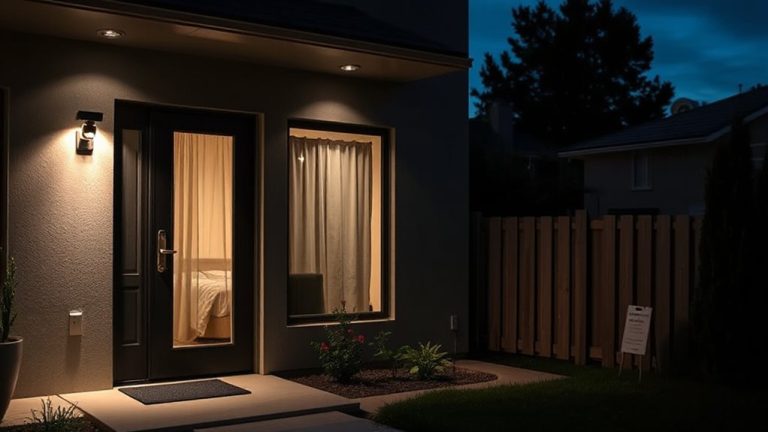
How 24/7 Professional Monitoring Ensures Round-the-Clock Protection for Your Smart Home
With 24/7 professional monitoring, your smart home stays protected at all times through a live connection to a trained response center. If an alarm triggers, agents verify the threat using cameras and sensors, then dispatch police or fire services if needed-often within seconds. Cellular backup guarantees it works even during outages, and human dispatchers reduce false alarms by up to 90%. Most plans cost $20–$60 monthly and include real-time alerts, cloud storage, and fire or CO detection. You gain faster, more reliable responses than self-monitoring alone, with round-the-clock oversight that acts when you can’t. Discover how each feature strengthens your home’s defense in different scenarios.
Notable Insights
- 24/7 monitoring connects your smart home to a staffed center that responds to alarms anytime, day or night.
- Instant alerts and live camera access let you verify threats and act quickly from any location.
- Trained dispatchers assess alarms using sensor data and video, reducing false emergency responses.
- The system automatically contacts police, fire, or medical services if a real threat is confirmed.
- Cellular backup ensures continuous protection even during internet or power outages.
What Is 24/7 Professional Monitoring?
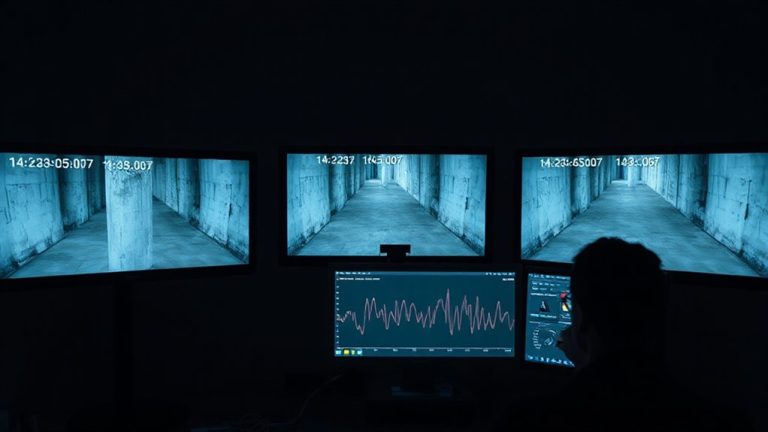
While you’re asleep or away on vacation, 24/7 professional monitoring keeps your smart home protected by connecting your security system to a monitoring center that’s staffed all day, every day. If an alarm triggers, trained agents assess the situation using remote surveillance and contact emergency services on your behalf. This service improves emergency preparedness by ensuring help is dispatched quickly, even if you can’t respond. Most systems use cellular backup, so monitoring continues during internet or power outages. With professional monitoring, you gain faster response times compared to self-monitored systems. However, it often requires a monthly fee, typically ranging from $20 to $60. Check for contracts, equipment compatibility, and customer support quality when choosing a provider. Overall, 24/7 monitoring adds reliability, giving you consistent protection and peace of mind whether you’re home or not.
How Real-Time Alerts Trigger a Fast Response?
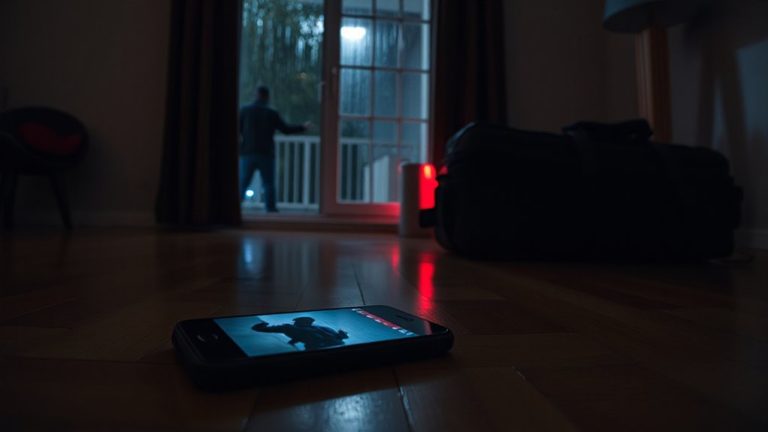
What if you could know the moment a door opens or motion is detected in your home, no matter where you are? With 24/7 monitoring, you get instant notifications straight to your phone or device. These alerts let you check live camera feeds, verify threats, and take action immediately. If someone enters unexpectedly while you’re away, you can lock doors remotely or contact authorities. Because the system operates continuously, response times stay low. Swift intervention becomes possible even during late hours. Studies show homes with real-time alerts face fewer break-ins and faster resolution. The key is reliable connectivity and properly placed sensors. Choose systems with customizable alert settings to reduce false alarms. Most plans range from $20–$50 monthly, often including cloud storage. Look for contracts with no long-term lock-ins. Instant notifications aren’t just convenient-they’re a critical layer in proactive home defense.
What Happens When Your Alarm Triggers 24/7 Monitoring?
When your alarm activates a 24/7 monitoring service, what happens next depends on the system’s protocol and your specific plan. The monitoring center receives an instant signal and begins alarm investigation by reviewing sensor data, camera feeds, or user verification. Operators try to confirm threats quickly, checking for signs of break-ins or emergencies. Your system may ask you to disarm it with a code or respond to a call. If no valid response comes, help is dispatched. False alert prevention is built into most plans, using verification steps to reduce unnecessary police calls. This saves you fees and guarantees real emergencies get attention. Some systems include mobile alerts so you can confirm activity remotely. Monitoring pros include faster emergency response and peace of mind; cons often involve monthly fees. Always review your plan’s response timeline and verification process.
Why a Human Dispatcher Beats Automated Alerts?
How would you feel knowing a real person-not a robot-was reviewing your home’s alarm? With 24/7 professional monitoring, a human dispatcher assesses each alert, using human judgment to distinguish real threats from false alarms. Automated systems often send alerts for missed locks or pets, but a trained expert verifies activity first. They check sensor data, call your home, and contact emergency services only when needed. This reduces unnecessary police or fire responses by up to 90%, saving you time and potential fines. While automated alerts are fast, they lack context. Human dispatchers provide accuracy, reduce stress, and improve response quality. For around $20–$50 monthly, you gain reliable oversight. Choose monitoring plans with live dispatch support to maximize protection. It’s a small cost for smarter, more effective security tailored to your real needs.
How 24/7 Monitoring Detects Fires and CO Leaks?
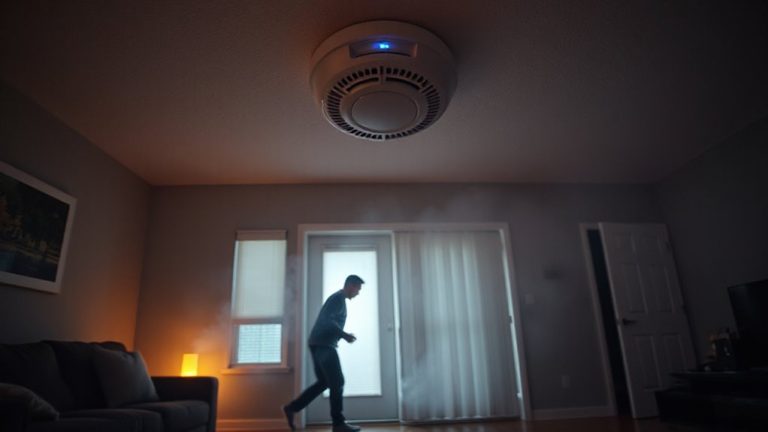
While most homeowners rely on smoke detectors to warn of fire, a 24/7 monitored system adds an extra layer of protection by actively notifying professionals the moment a threat is detected. If your system includes flame detection, it can identify actual flames-beyond just smoke-reducing false alarms and confirming real emergencies. Gas sensors continuously monitor for carbon monoxide and other hazardous gases, sending instant alerts when levels become unsafe. These sensors work in real time, even when you’re away, so help arrives even if you can’t respond. The monitoring center verifies the signal and dispatches emergency services immediately. Unlike standalone detectors, monitored systems don’t depend on you hearing a beep. They’re designed for fast, reliable response. Most plans cost $20–$40 monthly. For around-the-clock safety, integrating flame detection and gas sensors into a professional monitoring plan is a smart, data-backed choice.
Do Smart Devices Need 24/7 Monitoring to Work?
Smart devices don’t need 24/7 monitoring to function-most can detect smoke, carbon monoxide, motion, or leaks and send alerts to your phone on their own. This device autonomy means your system works even without professional oversight. However, alerts rely on your response, and delays can increase risk. While local processing protects user privacy, cloud-based features may collect data, so review privacy settings carefully. Some systems offer end-to-end encryption, boosting security. Autonomous devices are cost-effective and easy to install, but they lack live intervention. If you’re often away or want peace of mind, 24/7 monitoring adds a layer of reliability. It guarantees help is dispatched even if you miss an alert. Ultimately, device autonomy gives basic protection, but monitoring enhances it-balancing independence, response speed, and user privacy based on your lifestyle and security needs.
How to Choose a 24/7 Monitoring Service That Fits Your Home?
What makes one 24/7 monitoring service a better fit for your home than another? It comes down to features, cost comparison, and service reliability. You need clear, consistent protection that matches your lifestyle and budget. Below is a quick comparison of key factors:
| Feature | Monthly Cost | Pros & Cons |
|---|---|---|
| Professional Response | $20–$50 | Fast alerts; higher cost |
| Self-Monitoring | $0–$15 | Low cost; slower response |
| Cellular Backup | Included/Optional | Keeps system online during outages |
| Equipment Compatibility | Varies | Check with your devices |
| Contract Requirements | Yes/No | Affects flexibility and cost |
Always prioritize service reliability and transparent pricing. Review contracts and compare at least three providers. Make sure alerts reach you and professionals quickly. Choose a plan that fits your home’s size and risk level.
On a final note
You get reliable protection when your smart home has 24/7 professional monitoring. It guarantees real-time alerts are verified by trained experts who contact emergency services if needed. Unlike automated systems, human dispatchers reduce false alarms and respond faster to fires, break-ins, or CO leaks. Most smart devices work without monitoring, but adding it improves safety. Choose a service with 24/7 support, low false alarm rates, and clear pricing.