How Starlight Sensor Technology Improves Color Night Vision in Low Light
You get clear color night vision because starlight sensors use highly sensitive chips and larger pixels to capture faint forces from stars, the moon, or distant streetlights-down to 0.0001 lux. Unlike infrared, which switches to black and white, starlight keeps colors accurate without emitting visible light. It works best with minimal ambient light and beats IR in clarity when light is present, though it can’t see in total darkness like IR can. Higher-end models with big sensors and low-lux ratings deliver the best results, especially in suburban or rural areas where some nighttime light exists, and choosing one with weather resistance and PoE support improves reliability. You’ll also want to take into account how ambient lighting around your property affects performance for ideal coverage.
Notable Insights
- Starlight sensors capture full-color video in near darkness by maximizing ambient light with extreme sensitivity down to 0.0001 lux.
- Large, back-illuminated pixels enhance light capture, improving image brightness and color accuracy in low-light conditions.
- Unlike infrared, starlight technology preserves natural colors by using available light instead of emitting IR illumination.
- Advanced circuitry amplifies weak light signals without significant noise, enabling clear color imaging under moonless skies.
- Starlight cameras deliver detailed, color-accurate footage ideal for identification in nighttime surveillance with minimal ambient light.
What Starlight Sensor Technology Is
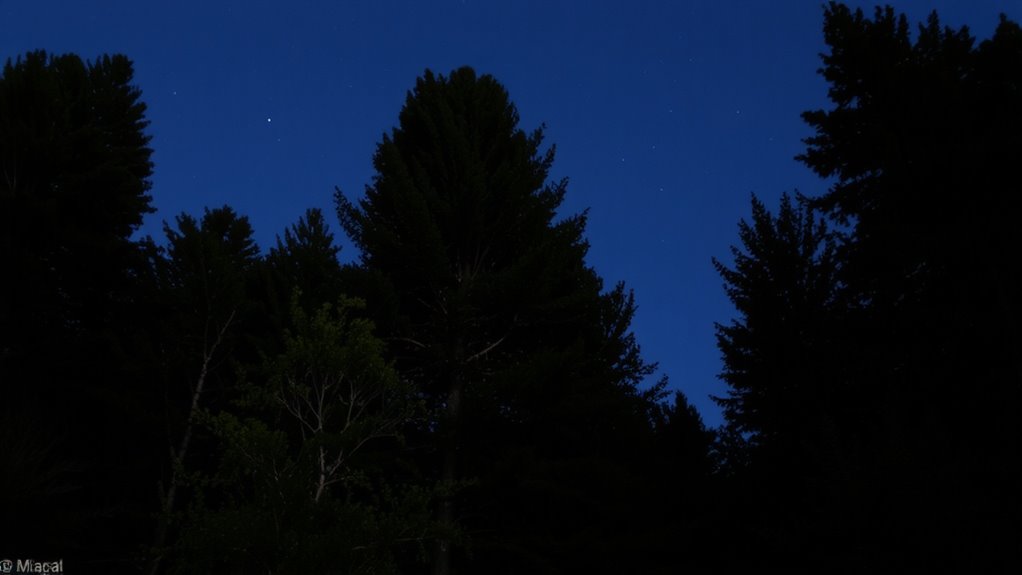
While traditional night vision systems rely on infrared illumination or ambient light amplification, starlight sensor technology captures usable video in extremely low light-down to 0.0001 lux-making it effective even under a moonless sky. You benefit from superior sensor sensitivity, which allows the camera to gather more light than standard sensors. This performance boost comes from pixel innovation, where larger pixels and back-illuminated designs capture more photons. Starlight sensors are ideal for 24/7 home security, providing clear monochrome video at night without IR glare. They typically cost more than standard cameras, so plan your budget accordingly. A downside? They may still struggle in total darkness without some ambient light. For best results, position them where they can catch natural light sources. With starlight sensors, you’re investing in reliable, high-performance nighttime monitoring backed by measurable low-light specs.
How Starlight Sensors Capture Color in Darkness
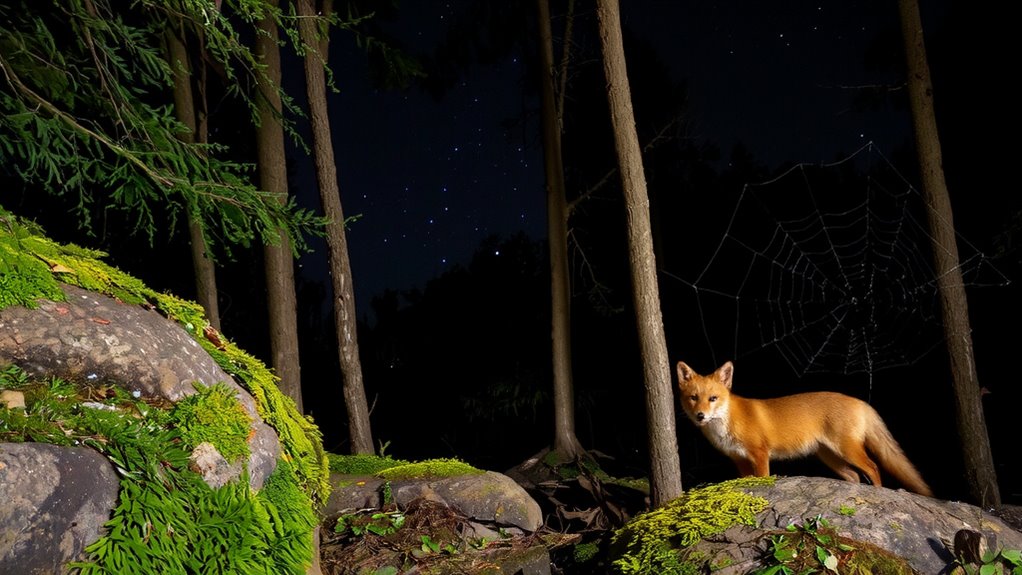
Color in the dark isn’t magic-it’s engineering. You get clear, full-color video at night because starlight sensors are built for extreme light sensitivity, capturing every photon from stars, moonlight, or distant streetlights. These sensors use large pixels and advanced circuitry to amplify weak signals without overwhelming the image with noise. That means you see real colors, not washed-out or false tones, giving you better color accuracy than traditional cameras. You’ll notice people’s shirt colors or car details even in near darkness. Unlike infrared, which switches to monochrome, starlight sensors maintain color by maximizing available light. They work best in areas with minimal ambient light, making them ideal for rural or suburban homes. While pricier than standard cameras, their performance justifies the cost if you need reliable, colorful nighttime footage. Proper placement near subtle light sources improves results. Some of the best cameras for night video use starlight sensor technology to deliver exceptional low-light performance.
Starlight Vs. Infrared: Key Differences
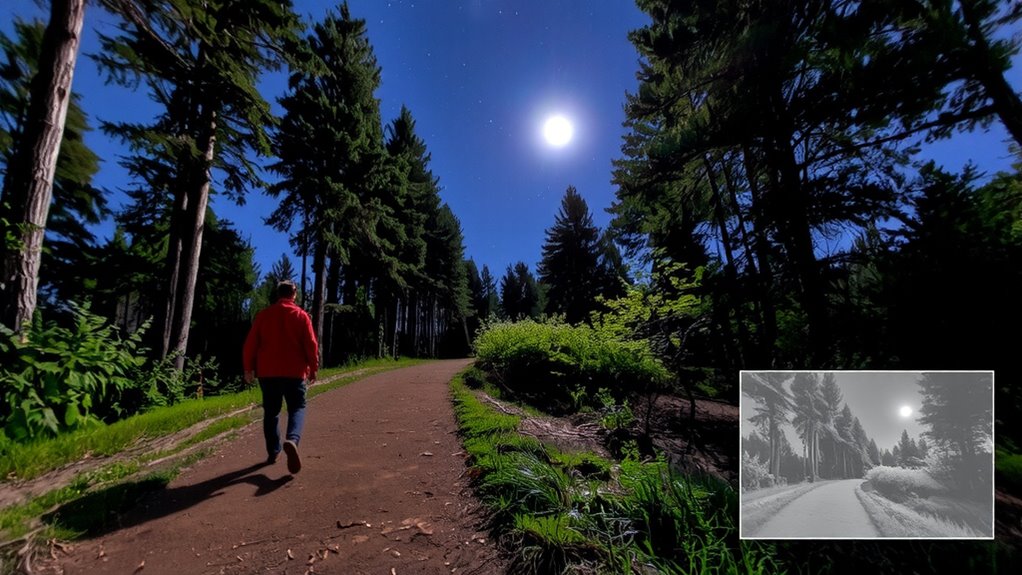
You already know starlight sensors keep colors visible in low light by capturing tiny amounts of ambient illumination, but not all night vision works this way-some systems rely on infrared instead. Starlight tech excels in light sensitivity, using high-quality sensors and large apertures to preserve image clarity without extra lighting. In contrast, infrared cameras emit invisible light to illuminate scenes, delivering monochrome images even in total darkness. While IR works in near-zero light, it can create glare or hotspots and lacks color detail. Starlight systems offer better image clarity when minimal ambient light exists, but they need some light to function. Infrared performs well in complete darkness, though at the cost of detail and realism. For best results, match the sensor type to your environment’s lighting conditions. Top infrared cameras provide enhanced low-light performance through advanced sensor technology and improved IR illumination.
Best Uses for Starlight Cameras
Where should you rely on starlight cameras for best results? They excel in low-light environments where color detail matters. For covert surveillance, starlight cameras capture full-color footage at night without emitting visible light, making them ideal for discreet monitoring. Unlike infrared, they don’t wash out faces or clothing colors. You’ll get clearer, more accurate video in areas with minimal ambient light, like backyards or wooded property edges. Wildlife monitoring also benefits since animals aren’t disturbed by bright IR flashes, and their natural behaviors stay visible in color. These cameras perform best when mounted near. Nearby. Nearby. Nearby. Nearby. Nearby. Nearby. Nearby. A key factor in maximizing their performance is ensuring proper placement, as even the most advanced indoor security cameras require optimal positioning to capture clear, detailed footage.
How to Choose a Starlight Camera
A growing number of security setups rely on starlight cameras, and for good reason-they deliver high-quality, full-color video in near darkness. When choosing one, start by checking the sensor size; larger sensors capture more light, improving image clarity. Look for at least IP66-rated weather resistance so the camera withstands rain, dust, and temperature swings. Power efficiency matters too, especially for wireless or solar models-lower power draw means longer uptime and fewer charging cycles. Consider if you need PoE (Power over Ethernet) for steady power and data transfer. Infrared cut filters should switch automatically for accurate color at night. Don’t skip reviewing low-lux ratings: aim for 0.001 lux or lower. Finally, balance cost with features-higher-end models offer better noise reduction and dynamic range. Plan placement to maximize ambient light.
When Starlight Sensors Fall Short
While starlight sensors perform impressively in low light, they aren’t foolproof-performance drops in complete darkness where no ambient light exists, since these cameras rely on capturing available light rather than generating their own. You’ll notice increased image noise when light levels fall too low, degrading picture quality and making details harder to distinguish. Their effective night vision also has a limited range, typically 30–50 feet, so placing cameras strategically matters. If you’re monitoring large yards or dark alleys, you may need supplemental lighting or infrared add-ons. Starlight sensors work best in areas with some ambient light, like streetlamps or porch lights. For fully dark environments, consider models with hybrid night vision or switch to thermal or active IR systems. While they deliver excellent color night vision under ideal conditions, understanding their limits helps you plan a reliable, layered security setup without overestimating performance.
On a final note
You now see how starlight sensors deliver clear color footage in low light by maximizing available light, unlike infrared, which switches to monochrome. They excel in driveways, backyards, and entryways where some ambient light exists. When choosing a model, prioritize high-sensitivity sensors, wide apertures, and realistic expectations-starlight cameras struggle in total darkness. Planning for proper placement and lighting guarantees peak performance.