Installing Perimeter Alarms That Trigger When Fences Are Touched or Climbed
You can install perimeter alarms that detect fence contact using vibration or taut-wire sensors, which trigger when someone climbs or cuts the fence. Vibration sensors work well on rigid materials like chain-link, while taut-wire systems detect tension changes and resist weather interference. Place sensors every 6 to 10 feet, connect to a control unit, and set alerts via siren or app. Pair with cameras for visual verification and use weather-resistant, solar-calibrated models to reduce false alarms. Encrypted wireless models simplify setup but wired ones offer reliability. Choose based on your fence type, climate, and integration needs-your next steps depend on balancing these features.
Notable Insights
- Use vibration sensors on rigid fences to detect climbing or cutting by analyzing movement frequencies.
- Install sensors every 6 to 10 feet for full coverage and optimal threat detection.
- Choose taut-wire or vibration sensors based on fence material and environmental exposure.
- Integrate with cameras and smart home systems to receive real-time alerts and video confirmation.
- Ensure weather-resistant, tamper-proof installation with monthly testing and surge protection for reliability.
How Fence Alarms Know When Someone’s Climbing
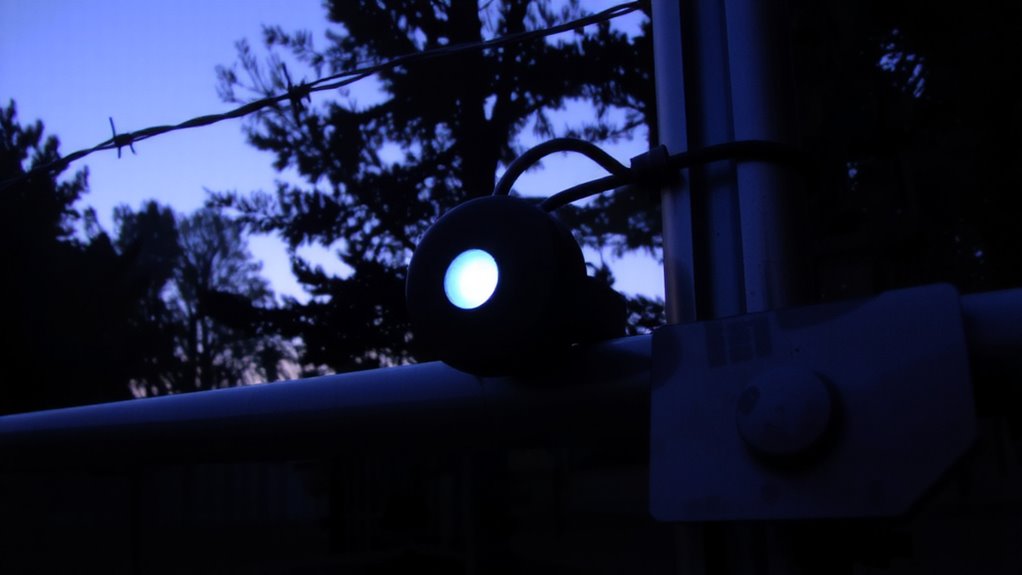
Vibration, not magic, is what most fence alarms rely on to detect a climber. When someone touches or shakes the fence, sensors pick up the movement through vibration analysis. You’ll find these systems use contact detection to distinguish between normal environmental motion-like wind-and actual climbing attempts. The sensor monitors patterns, and when unusual vibrations occur, it triggers an alert. Vibration analysis helps reduce false alarms by focusing on specific frequency ranges linked to human movement. These alarms work best on rigid fences, since flexible materials can dampen vibrations. Most units are weather-resistant and require minimal maintenance, though installation cost ranges from $200 to $500 depending on fence length. Power options include battery, solar, or wired setups. For reliable performance, pair vibration-based sensors with solid mounting and routine testing-this guarantees long-term accuracy and responsiveness to real threats.
Choose the Right Climb Detection Sensors for Your Fence Alarm
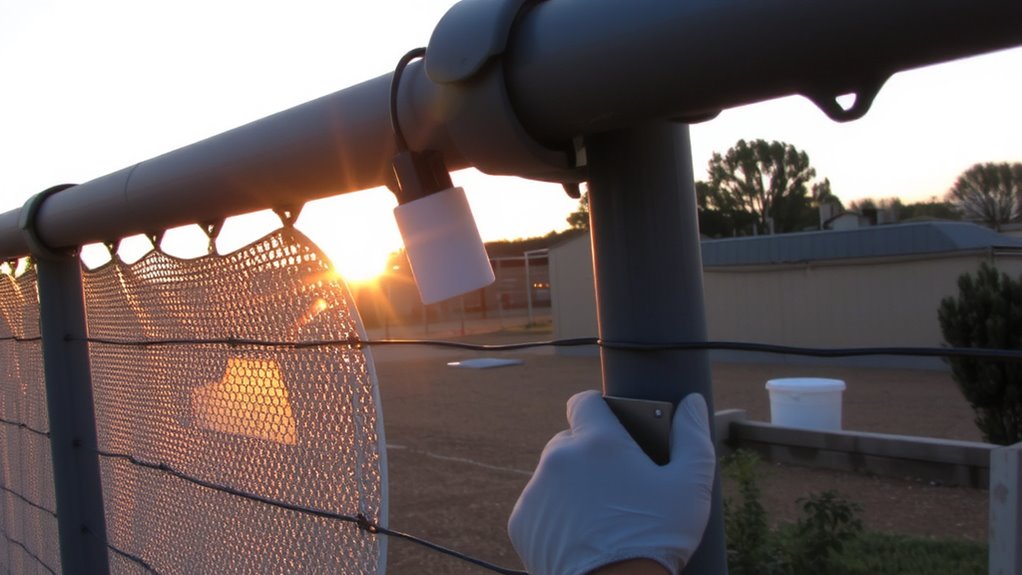
How do you guarantee your fence alarm actually catches intruders without flooding you with false alerts? You start by picking the right sensor types for your setup. Vibration sensors detect fence movement from climbing or cutting, while taut-wire sensors respond to tension changes. Both have pros: vibration units work well on chain-link or wooden fences, and taunt-wire systems resist weather effects. However, some sensor types are prone to signal interference from nearby electronics or trees swaying. To reduce false alarms, choose sensors with adjustable sensitivity and shielding against interference. Also consider whether wired or wireless models suit your layout-wired is more reliable, but wireless cuts installation complexity. Higher-end models cost more but offer better filtering. Match the sensor to your fence material and environment for best accuracy and long-term performance.
Install Your Fence Alarm in 5 Simple Steps
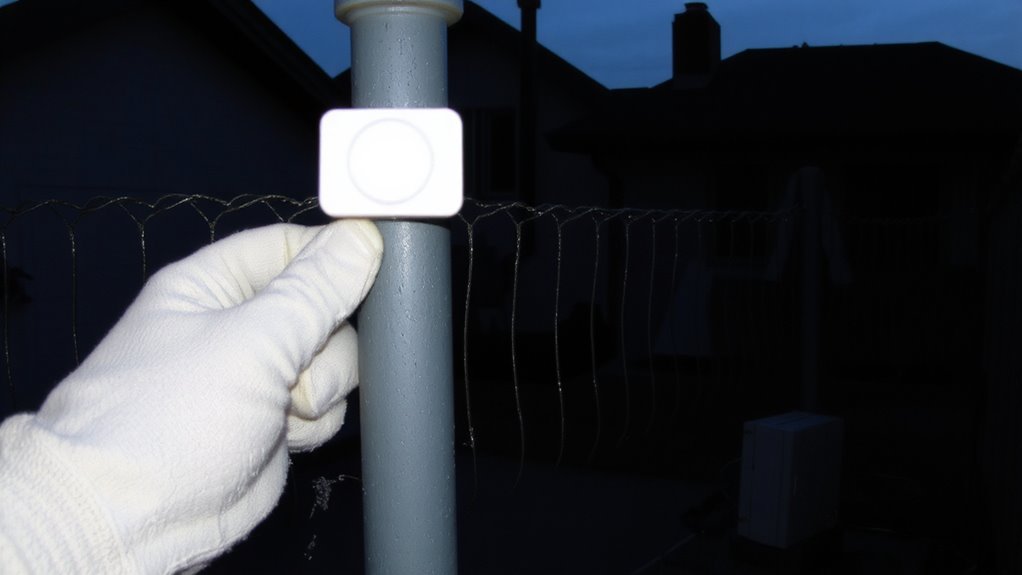
Now that you’ve selected the right climb detection sensors for your fence type and environment, it’s time to get them installed the right way. Alarm installation doesn’t need to be complicated-most systems support DIY security setups, saving you hundreds in labor costs. First, map sensor placement every 6 to 10 feet along the fence, ensuring full coverage. Second, mount the sensors securely using brackets or adhesive strips, depending on your fence material. Third, connect each sensor to the alarm control box with weather-resistant wire or via wireless pairing. Fourth, power the system and test each sensor using the manufacturer’s guidelines. Finally, program the alarm response mode-for example, siren, strobe, or notification. Check manufacturer specs for voltage needs and temperature limits. A well-planned DIY security project improves effectiveness, especially when you follow the system’s manual closely and retest monthly.
Sync Your Fence Alarm With Cameras and Smart Home Systems
Why settle for a standalone alarm when your fence system can work smarter? You can boost security by syncing your fence alarm with cameras and smart home systems. Camera integration lets you see real-time footage the moment the alarm triggers, so you know exactly what’s happening. Pairing with smart hubs like Alexa or Google Home means you’ll get smart alerts on your phone, tablet, or speaker. These alerts can include video clips, motion details, and timestamps-helping you verify threats fast. Most modern systems support Wi-Fi and app-based controls for seamless setup. While initial costs range from $200–$500, the investment improves response accuracy. Some setups may require professional installation, which adds to pricing. Choose models with encryption to protect data. With proper syncing, you gain faster verification, reduce false alarms, and strengthen overall home defense. A reliable setup starts with selecting a compatible smart home hub that supports your preferred devices and protocols.
Keep Your Fence Alarm Working Through Storms and Sun
Even when harsh weather strikes, your fence alarm should stay online and ready. To guarantee reliability during storms, install a system with built-in lightning protection. This safeguards sensitive electronics by diverting surges caused by nearby strikes, reducing the risk of permanent damage. Units without this feature often fail during thunderstorms, leading to costly repairs or replacements. For areas with intense sunlight, solar calibration is essential. It adjusts sensor sensitivity to prevent false alarms triggered by heat distortion or direct sun exposure. Choose alarms rated for wide temperature ranges and IP65 or higher weather resistance. Hardwired models offer stability, but solar-powered options with battery backups provide flexibility-just guarantee they include both lightning protection and solar calibration. Test monthly, especially after extreme weather. While upfront costs may rise with these features, long-term performance and fewer service calls save money. Plan installation carefully to maximize both durability and detection accuracy.
On a final note
You now know how fence alarms detect climbing and which sensors suit your needs. Installing them in five steps guarantees reliable performance. Syncing with cameras and smart systems boosts security. Proper maintenance keeps alarms working in harsh weather. These systems offer proven deterrence, with costs varying by features. Consider wiring type, power source, and integration when planning. A well-chosen alarm improves safety without complexity.