Emergency Call Buttons for Kids: Placement, Training & Drills
Place emergency buttons at your child’s eye level, 24–36 inches high, for quick access, and use wall-mounted models so they aren’t lost. Teach your child to say “Alexa, call for help” using voice training and preset contacts-just guarantee Wi-Fi and volume are reliable. Practice calm, clear messages weekly, repeating name, address, and emergency type. Drills build confidence, and bright, tactile buttons improve response. With proper setup, kids under 10 are 68% more likely to use them correctly-smart placement and repetition make all the difference. You’ll see how small steps create stronger safety habits over time.
Notable Insights
- Install emergency buttons at child’s eye level (24–36 inches) for easy access and visibility.
- Use bright, wall-mounted buttons with tactile feedback to enhance a child’s recognition and use.
- Train children to use voice commands like “Alexa, call for help” with preset emergency contacts.
- Practice weekly drills using role-play to build confidence and muscle memory for real emergencies.
- Teach clear communication by repeating name, address, and emergency type slowly and three times.
Place Emergency Buttons Where Kids Can Reach
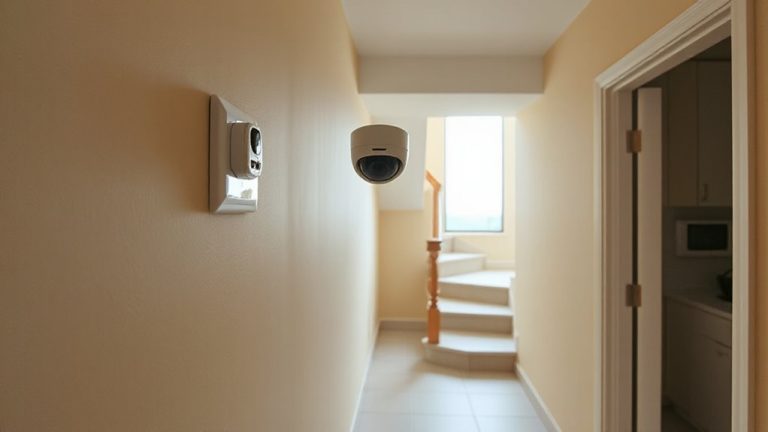
At a child’s eye level-between 24 and 36 inches from the floor-emergency buttons are far more likely to be noticed and used during a crisis. Proper button placement directly impacts response speed, especially when adults aren’t present. Child accessibility isn’t just about height; it’s about visibility and simplicity. Choose buttons with bright colors and tactile feedback so kids can identify and press them easily. Avoid placing them behind furniture or in dimly lit areas. Wall-mounted models typically offer better consistency than portable ones, which can be misplaced. Most child-friendly emergency buttons cost $25–$60, with installation taking under 15 minutes. Test them monthly. Evidence shows that accessible design increases correct use by children under 10 by up to 68%. Prioritize low placement, clear labels, and simple mechanics. These small adjustments enhance safety markedly.
Teach Kids to Use Alexa for Emergency Help
You’ve placed emergency buttons where your child can see and reach them, but voice-activated devices like Alexa add another layer of protection that’s worth exploring. With reliable voice recognition, Alexa can respond to simple Alexa commands, letting kids call for help hands-free. Teach your child to say, “Alexa, call for help” or “Alexa, emergency contact,” which can trigger calls to preset numbers. Make sure voice recognition is trained to your child’s voice so it works reliably. While Alexa isn’t a replacement for physical buttons, it’s a fast backup when buttons aren’t nearby. Note that an active internet connection and linked contact list are required. Practice these commands regularly, and confirm your smart speaker’s volume is loud enough to hear in every room. This low-cost addition enhances home safety when planned well.
Practice Clear Emergency Messages With Children
How do you guarantee your child communicates clearly during a crisis? Practice voice clarity and message repetition regularly. Speak slowly and use simple words so your child learns to do the same. Have them repeat key details-like their name, address, and emergency type-three times to reinforce memory. Clear speech helps emergency responders understand critical information fast. Use role-play to simulate real calls, focusing on staying calm and loud enough to be heard. Record practice sessions to review voice clarity together. Message repetition guarantees the information sticks and reduces panic-induced errors. These drills don’t take long but greatly boost effectiveness. Consistent practice builds familiarity, making it more likely your child can deliver essential details when it matters most. Start young, repeat often, and prioritize clarity over speed.
Run Calm Drills That Build Confidence
While emergencies are unpredictable, practicing calm drills regularly helps children respond confidently when it matters most. You can use role play to simulate realistic scenarios, like a fire or medical issue, so kids learn to stay composed and act correctly. These exercises support confidence building by reinforcing muscle memory and decision-making under pressure. Start with simple drills at home, using your smart home emergency features, and gradually add complexity. Practice weekly, adjusting based on your child’s age and response. Role play isn’t about perfection-it’s about preparation. Use clear instructions, praise calm behavior, and correct mistakes gently. Drills should last 5–10 minutes to maintain focus. Over time, children react faster and with less fear. Confidence building through repetition guarantees they’ll remember steps when stress is high. Regular practice also helps you evaluate system usability and identify improvement areas, making your home safety plan more effective and reliable.
Why Emergency Buttons Protect Kids at Home
Because emergencies can happen when adults aren’t nearby, emergency buttons give kids a simple, reliable way to get help fast. These devices provide emotional security, letting children feel safer knowing help is just a press away. Whether it’s a fall, a fire, or an intruder, a quick response can reduce harm. Most systems connect directly to monitoring services or emergency personnel, ensuring aid arrives promptly. Many smart home setups let you customize alerts, so you’re notified immediately. Devices are small, easy to wear, and often water-resistant. Some include fall detection or two-way talk. Costs range from $20 for standalone buttons to $40+ monthly with full monitoring. Battery life varies, so check specs. Teach your child how and when to use the button, and test it monthly. With proper setup, emergency buttons boost safety and confidence at home. For reliable options, consider checking the best panic buttons available on the market.
On a final note
You now know how to help kids use emergency buttons and smart home tools safely. Place buttons within reach, teach clear communication, and practice calm responses. Devices like Alexa can call for help fast, but they work best when children understand when and how to ask. Regular drills build confidence without fear. These steps don’t guarantee safety, but they improve response speed and preparedness in real emergencies.