Understanding the Impact of Surveillance Systems on Property Values and Insurance Rates
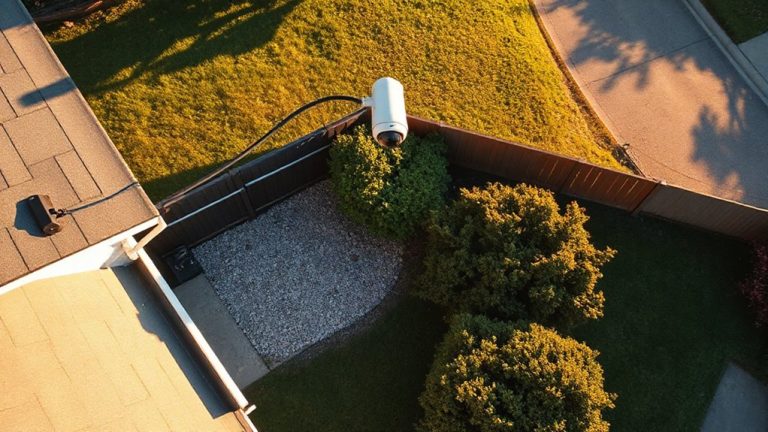
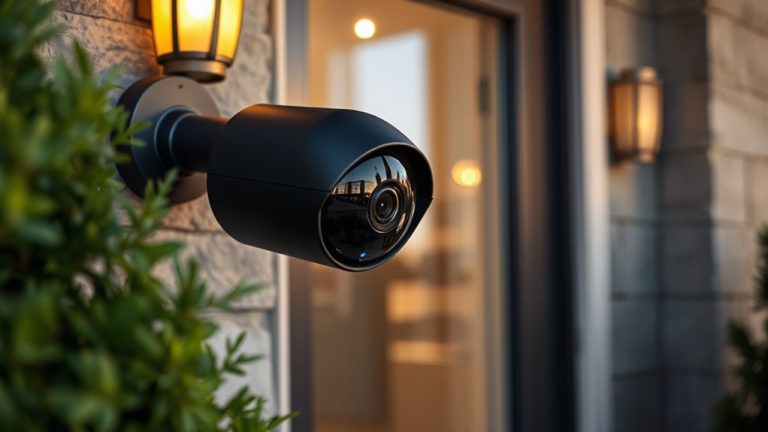
Security cameras can boost your home’s value by 5% to 15%, especially with professional monitoring and smart home integration. You might save 5% to 20% on insurance, more if your system is monitored and paired with alarms or smart locks. Wired or wireless, choose models with night vision, motion detection, and cloud storage. Avoid outdated or non-compliant setups that deter buyers. Proper placement and privacy compliance keep your investment strong. Upgrading pays off faster with the right features in place.
Notable Insights
- Surveillance systems can increase home value by 5% to 15%, especially when professionally installed and integrated with smart home technology.
- Homes with security cameras sell faster and at higher prices due to increased buyer perception of safety and security.
- Insurance providers offer premium discounts of 5% to 20% for homes with monitored or integrated surveillance systems.
- Wireless, visible cameras with motion detection, night vision, and cloud storage enhance market appeal and insurance eligibility.
- Neighborhood-wide surveillance reduces crime and insurance rates but individually owned systems have greater impact on property value.
Do Security Cameras Increase Home Value?
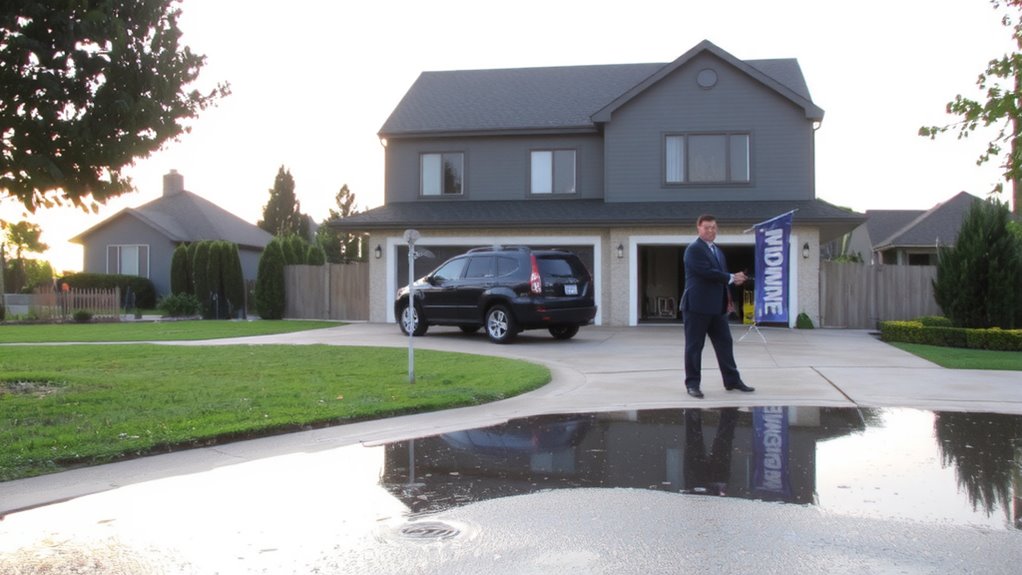
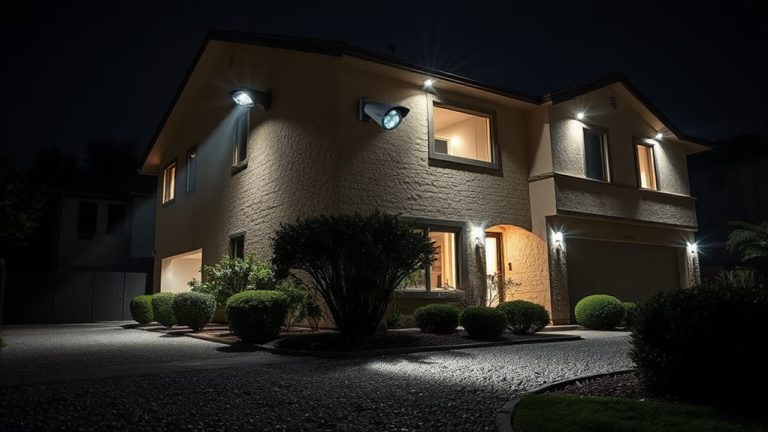
What if a simple upgrade could both protect your home and boost its worth? Installing security cameras often does just that. Studies show homes with surveillance systems sell faster and at higher prices, thanks in part to perceived safety. Buyers feel more secure knowing your property is monitored, which adds intangible value. Aesthetic integration also matters-sleek, unobtrusive cameras blend with your home’s design, avoiding the look of an overt security fortress. Wired systems offer reliability but cost more to install, while wireless models provide flexibility with easier DIY setup. Expect to invest $200–$600 depending on features like night vision, motion detection, and cloud storage. Though not all buyers prioritize cameras, their presence generally enhances appeal. Planning matters: position devices to cover entry points without compromising privacy. Overall, security cameras are a modest investment with measurable returns in both safety and marketability. Top models feature advanced home security camera capabilities, including AI-powered detection and seamless smart home integration.
Can Security Cameras Lower Insurance Premiums?
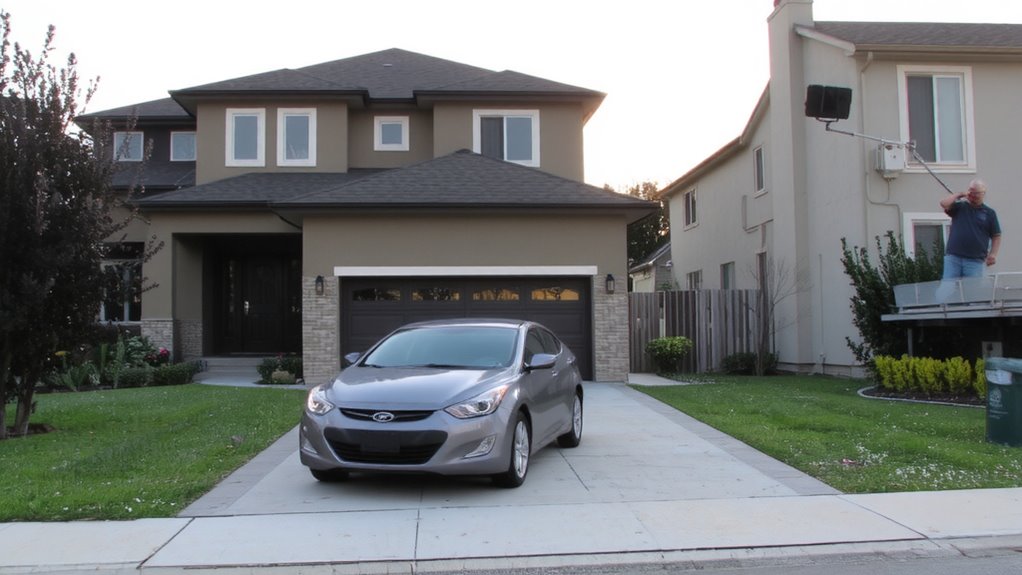
Security cameras don’t just make your home more appealing to buyers-they can also save you money on insurance. Many insurers offer discounts, typically 5% to 15%, when you install a monitored system. This is because cameras boost theft deterrence by making your property less attractive to criminals. Visible cameras, especially with night vision and motion alerts, increase the odds of preventing break-ins. They also aid in claim verification, giving insurers clear video evidence after incidents like burglary or vandalism. That reduces fraud risk and speeds up claim processing. For best results, pair cameras with alarms and smart locks. Note: Not all systems qualify-check with your provider. DIY setups may offer savings, but professionally monitored ones often bring bigger discounts. While upfront costs range from $200 to $1,000, long-term premium reductions and protection make it a practical investment.
What Surveillance Tech Actually Impacts Appraisals and Rates?
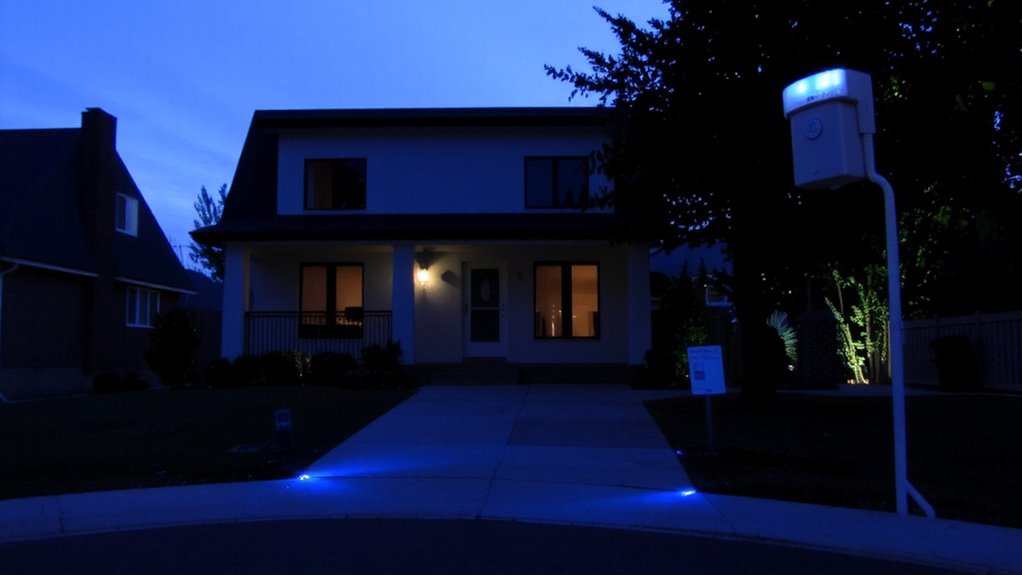
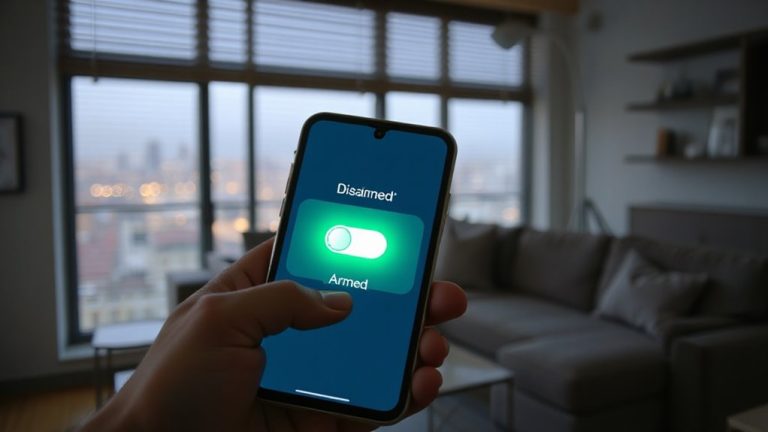
While not all surveillance tech influences property valuations equally, certain systems can meaningfully affect both appraisals and insurance rates when they meet specific criteria. You’ll see the biggest impact from systems with professional installation, 24/7 monitoring, and strong data encryption-features insurers and appraisers view as reducing risk. Facial recognition can raise red flags due to privacy concerns, potentially offsetting benefits unless implemented with strict data protection policies. Cameras linked to smart home hubs often qualify for insurance discounts of 5% to 15%, especially when paired with motion sensors and alarms. However, older or DIY models may not meet underwriting standards. High-resolution video, night vision, and cloud storage with encryption improve credibility. When planning an upgrade, focus on certified systems that balance security and privacy. This approach supports better appraisals and lower premiums. For maximum effectiveness, consider best security cameras that offer reliable performance and meet industry standards for resolution and connectivity.
Neighborhood Cameras vs. Your Own: Which Boosts Value More?
How much does it matter whether the cameras protecting your home are yours-or your neighbor’s? Your own system typically boosts property value more because it shows personal investment in security. Appraisers often see individual systems as permanent upgrades, especially with professional monitoring and aesthetic integration into your home’s design. Neighborhood cameras help, but they’re shared infrastructure, so they build community trust without directly increasing your home’s assessed value. A system you own gives you control over placement, maintenance, and features like motion alerts or cloud storage. While both types deter crime, only your system appears on insurance forms as a mitigating factor. Consider hardwired setups over visible DIY models-they’re less obtrusive and score higher on aesthetic integration. For best results, coordinate with neighbors to maintain consistent coverage, supporting community trust while still showcasing your home’s standalone security investment. Top-rated systems often include advanced best security camera systems features such as night vision, mobile alerts, and seamless cloud integration.
How Privacy Laws and Public Pushback Can Reduce Appeal
What if your security system, designed to protect your home, ends up drawing complaints from neighbors or even violating local privacy laws? You might face public resistance if cameras capture shared spaces or sidewalks, making people uneasy. Many areas have strict privacy regulations that limit where and how you can record, especially with audio. Violating these rules can lead to fines or removal orders, which hurts your property’s appeal. Even legal systems can spark backlash if perceived as intrusive. Public resistance often grows when installations seem excessive or poorly placed. To avoid issues, position cameras to monitor only your property, avoid neighboring homes or streets, and check local privacy regulations before installing. Clear signage and open communication with neighbors can reduce tension. Smart planning helps maintain security without alienating the community.
When Security Cameras Don’t Save Money or Increase Value
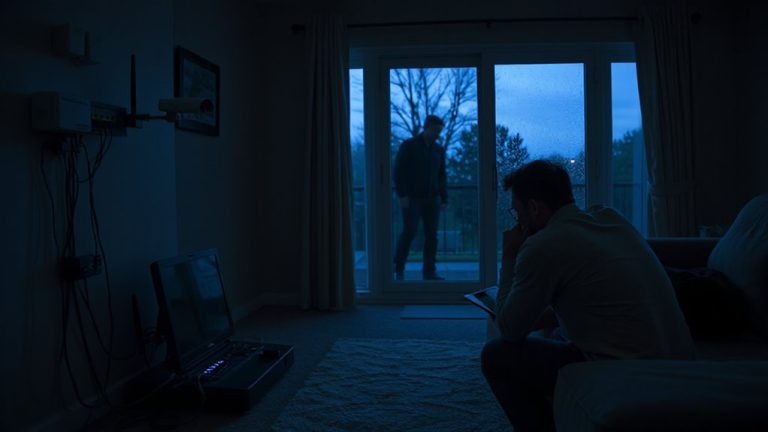
Can security cameras actually fail to lower your insurance or boost your home’s value? Yes, not all systems deliver financial benefits. Some insurers offer minimal discounts, especially if cameras aren’t integrated with monitored alarms. Without verified monitoring or smart detection, you might only get a false sense of security. Over time, visible but outdated cameras can deter buyers, suggesting poor maintenance. Excessive recording zones may even trigger privacy concerns, reducing neighborhood appeal. Homeowners often experience surveillance fatigue-constantly checking feeds without actionable alerts-leading to ignored threats. Standalone systems without cloud backup or professional installation usually offer limited ROI. In low-crime areas, the cost of equipment and subscription plans may outweigh any insurance savings. To avoid waste, assess local crime rates, insurer policies, and integration options before investing. A poorly planned system rarely pays off.
How to Install Surveillance for Maximum ROI Without Overspending
While a well-planned surveillance setup can boost your home’s safety and value, cutting costs in the wrong places often leads to poor results. Focus on cost efficiency by choosing systems with strong remote monitoring, so you can check feeds from anywhere. Place cameras at main entry points and garage doors-these spots deter crime most effectively. Wired systems offer reliability, but wireless models cut installation costs and are easier to adjust. Look for weather-resistant units with night vision and motion alerts. Avoid overbuying; four to six cameras usually cover most homes. Subscription fees add up, so pick models with local storage or low monthly plans. Higher upfront cost doesn’t always mean better ROI-balance features with real needs. Test camera views before final mounting. With smart planning, you gain security, possible insurance discounts, and property value gains without overspending.
On a final note
You can boost your home’s value and lower insurance rates with well-planned surveillance, but not all systems offer equal returns. Basic cameras may cut premiums by 5%–10%, yet high-end smart systems often cost more than they save. Appraisers rarely add value for cameras alone. Neighborhood security has a stronger impact. Install modest, reliable systems focused on deterrence, check insurer discounts, and avoid overinvesting-simple setups usually deliver the best ROI.