The Role of Community Policing in Complementing Private Home Security Measures
You’re more likely to prevent break-ins when officers walk your streets, as foot patrols boost visibility and deter crime better than patrols in cars. Community policing strengthens trust, leading to more tips and faster responses-anonymous reports help map crime hotspots. Pairing patrols with home security like doorbell cameras, which can securely share footage with police upon request, cuts property crime by up to 20%. Officers and residents working together makes prevention smarter and more effective. There’s a simple way to start building that connection nearby.
Notable Insights
- Community policing enhances home security by deterring crime through visible foot patrols and targeted hotspot enforcement.
- Officers build trust with residents, increasing tip reporting and collaboration in preventing burglaries and vandalism.
- Crime mapping directs patrols to high-risk areas, complementing private security by filling coverage gaps.
- Neighborhood Watch programs connect residents and police, improving coordination and response to suspicious activity.
- Doorbell camera networks integrated with police enable faster incident verification and response when crimes occur nearby.
What Is Community Policing: And How It Makes Homes Safer
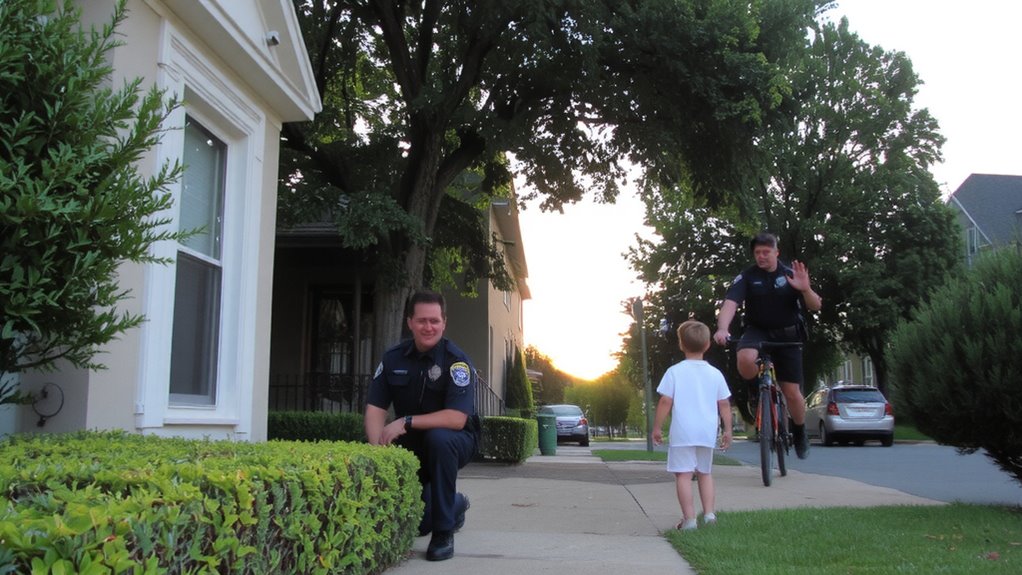
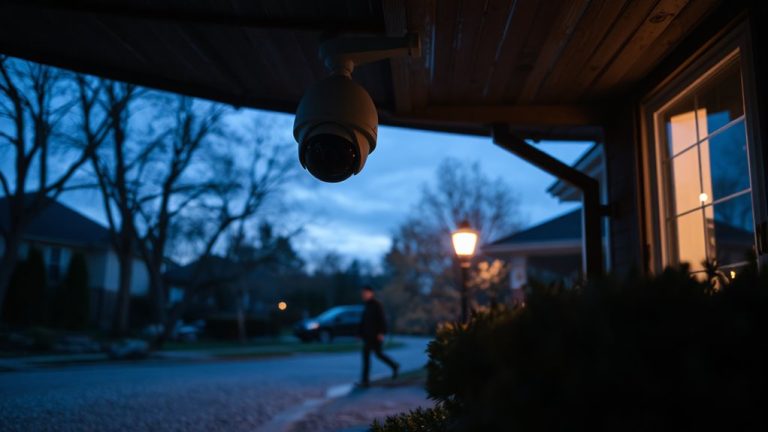
While community policing might sound like just another term tossed around in crime dramas, it’s actually a proven strategy that can make your neighborhood-and your home-safer. Officers on foot patrols build familiarity with your streets, noticing suspicious activity faster than vehicles ever could. These patrols increase visibility, deterring offenders who prefer unnoticed opportunities. Crime mapping uses data to identify hotspots, directing patrols where they’re needed most. You benefit because police aren’t just reacting-they’re preventing crime before it happens. Studies show neighborhoods using foot patrols and crime mapping report up to 20% fewer property crimes. This approach works best when paired with home security basics like outdoor lighting and locks. It doesn’t replace private security, but complements it. There’s no extra cost to you, and results are measurable. Plan to engage with local police initiatives, as consistency matters.
Why Trust Between Officers and Residents Prevents Crime
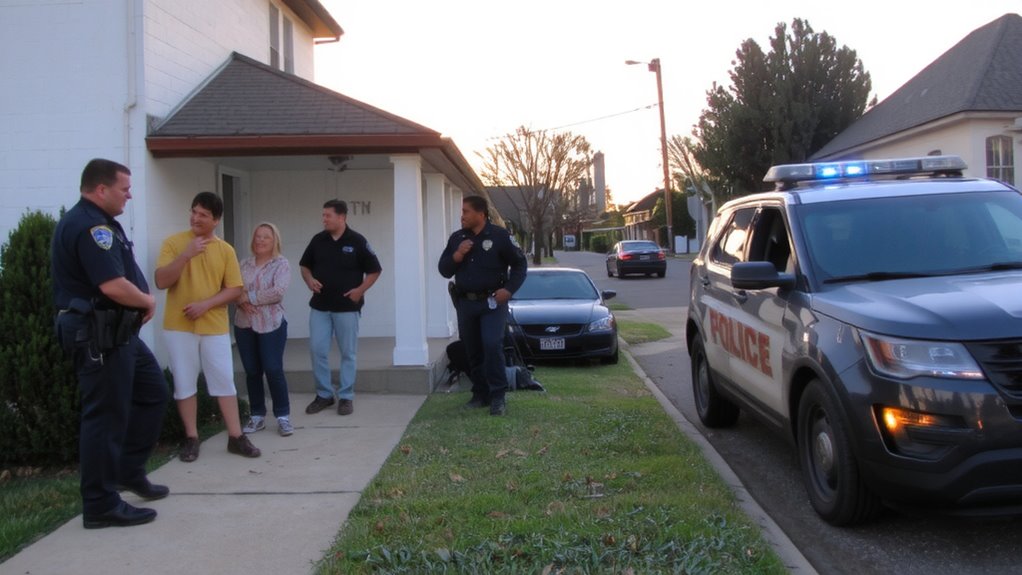
When residents trust the officers patrolling their neighborhoods, they’re more likely to report suspicious activity-something data shows can reduce local crime rates by up to 30%. That trust strengthens neighborhood cohesion, making it harder for criminals to operate unnoticed. Public accountability grows when officers are familiar faces, not just responders to emergencies. You start seeing police as partners, not outsiders.
| Benefit | Impact |
|---|---|
| Faster crime reporting | Reduces response time |
| Stronger neighborhood cohesion | Builds collective vigilance |
| Public accountability | Increases officer effectiveness |
| Consistent patrols | Deters repeat offenses |
You feel safer knowing officers recognize you and your family. That mutual recognition doesn’t replace home security systems-but it does make them more effective. Trust turns passive observation into active prevention, giving you and your community real influence over safety.
How to Launch a Neighborhood Watch With Police Support
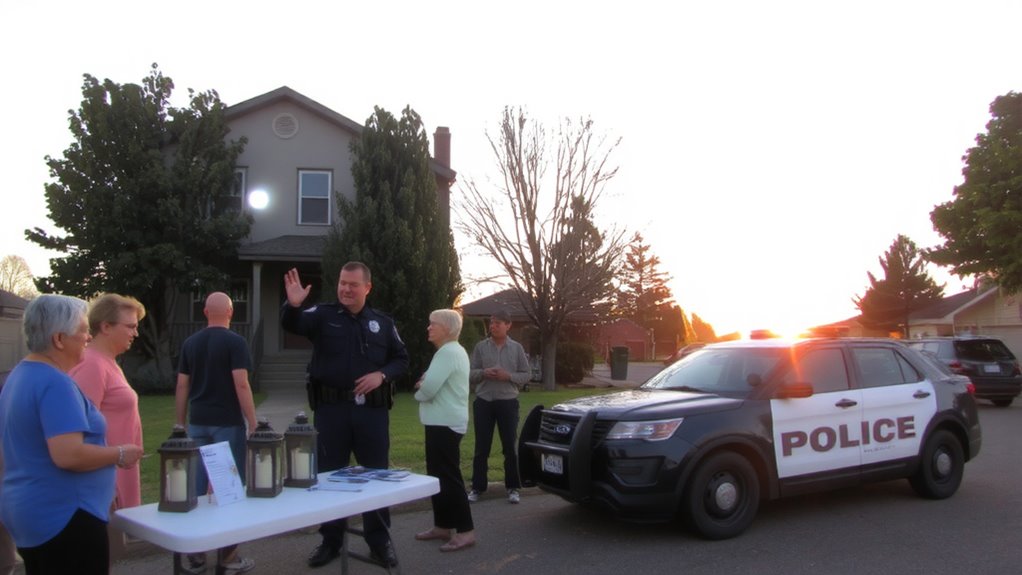
What if the key to a safer neighborhood isn’t just technology or patrols, but organized cooperation? You can start by contacting your local precinct to launch a Neighborhood Watch with police support. They’ll help you plan meeting logistics, like setting a date, time, and location-often a community center or someone’s garage. Invite neighbors via flyers, social media, and door-knocking to kick off a focused recruitment drive. Attendance typically grows when people see law enforcement involvement. Assign roles: coordinator, block captains, and communications leads. Police often attend the first meeting to explain crime patterns and reporting protocols. Regular check-ins keep momentum, while shared contact lists improve response. There’s no cost to join, and studies show these programs reduce crime by improving vigilance and trust. Keep records of meetings and activity to maintain clarity and accountability across the group.
Linking Doorbell Cameras to Local Patrols for Faster Response
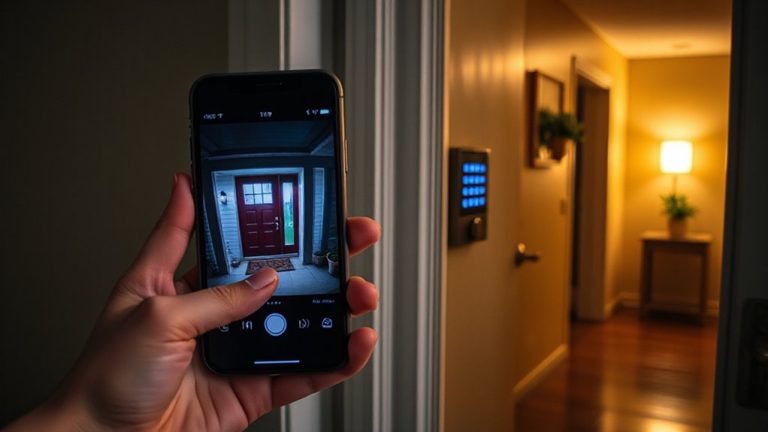
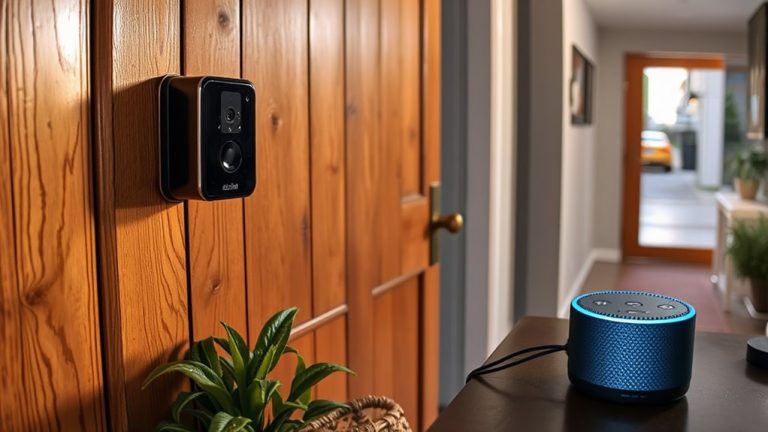
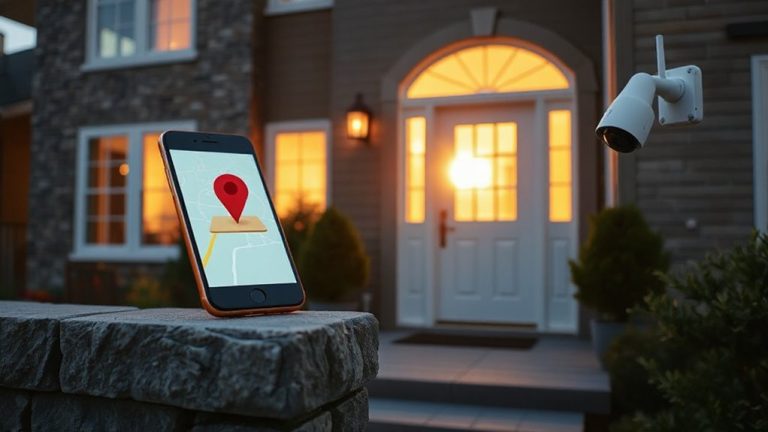
You’ve built a Neighborhood Watch with police backing, strengthening trust and communication on your block. Now, linking your doorbell camera to local patrols can speed up response times. With data sharing enabled through secure platforms, officers access footage when crimes occur nearby. Real time alerts notify both you and authorities the moment motion triggers your camera, increasing the chance of catching suspects. Many systems, like Ring or Arlo, offer integrations with law enforcement via request portals-no direct live feeds unless you permit it. Pros include faster police arrival and better evidence collection; cons involve privacy concerns and potential misuse if data sharing isn’t regulated. Most services cost $100–$250 upfront, with optional cloud storage at $3–$10/month. Check your local police guidelines to guarantee compliance and maximize effectiveness. Top models such as the best doorbell cameras provide advanced features like HDR video and improved motion detection for greater reliability.
How Community Tips Lead to Real Crime Reduction
A single tip from a concerned neighbor can make all the difference in solving a crime. When you report suspicious activity, even anonymously, you contribute to real crime reduction. Anonymous tips protect your privacy while giving law enforcement valuable leads. Police use this information in crime mapping, analyzing patterns to allocate patrols where they’re most needed. This data-driven approach increases the chances of catching repeat offenders and preventing future incidents. You don’t need to confront anyone-just call or use a tip app. Communities that consistently share tips see theft and vandalism drop over time. While not every tip leads to an arrest, together they create a clearer picture of criminal behavior. Combine this with home security like doorbell cameras, and police response becomes faster, smarter. Your role matters. Stay alert, report what you see, and help make your neighborhood safer through cooperation and smart strategies.
On a final note
You strengthen home security when you combine private measures with community policing. Trust between officers and residents leads to faster crime prevention, supported by data showing neighborhoods with active watches report fewer break-ins. Linking doorbell cameras to local patrols improves response times, while shared tips increase case clearance rates. Though setup costs vary, the long-term benefits include lower crime and stronger neighborhood networks. You reduce risks best by collaborating, planning wisely, and using available tools together.