Security Considerations for Home-Based Businesses and Valuable Inventory
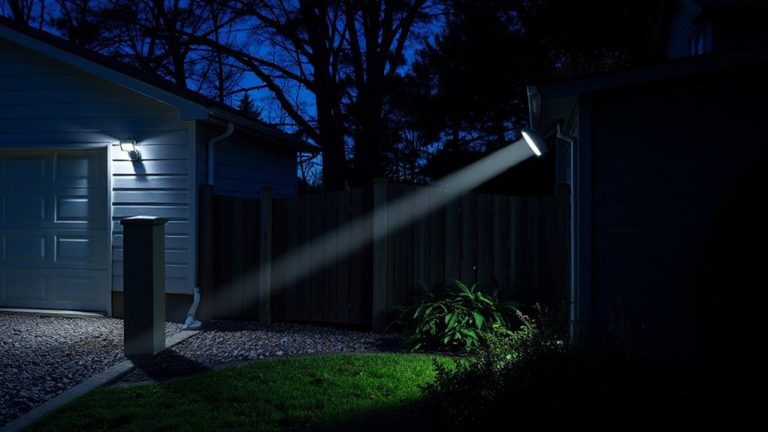
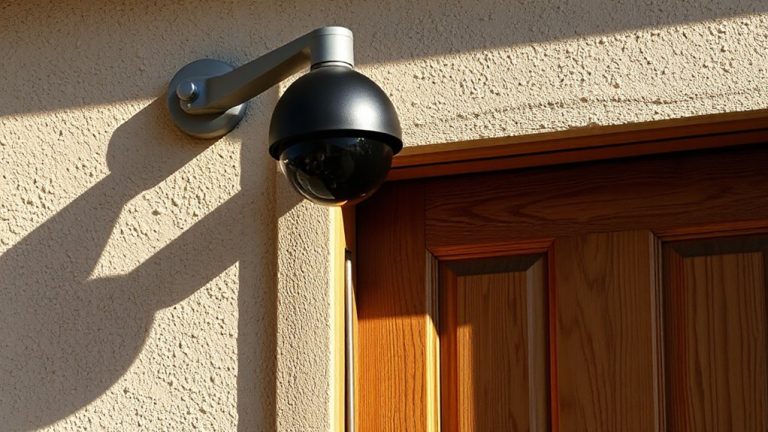
You’re more vulnerable than you think-overlooked entry points like basement windows or unsecured garage doors invite trouble. Thieves notice delivery patterns and visible inventory, so reinforce weak locks, trim camera blind spots, and install motion lighting. Use smart safes with tamper alerts ($150–$500) and climate-controlled storage for sensitive items. Wired security systems offer reliability; wireless gives easy setup but needs charging. Limit exterior signage and schedule deliveries wisely. Encrypt data, use strong passwords, and keep software updated. A monitored alarm with night vision and cloud storage cuts break-in risk by up to 60%. Have a clear response plan for breaches-know who to call, how to secure assets, and where backups are stored. There’s a smarter way to balance safety and convenience, and the next steps can show you how.
Notable Insights
- Secure all entry points with strong locks, motion-sensing lights, and surveillance to deter break-ins through hidden or service doors.
- Store valuable inventory in smart safes or locked, climate-controlled cabinets with tamper alerts and battery backup.
- Install visible surveillance cameras with night vision, motion detection, and remote access to monitor property in real time.
- Reduce visibility of business operations by avoiding signage, shielding windows, and scheduling deliveries discreetly.
- Protect digital assets with strong passwords, encryption, updated software, and offline backups to prevent data breaches.
Find Your Home Business Security Weak Spots
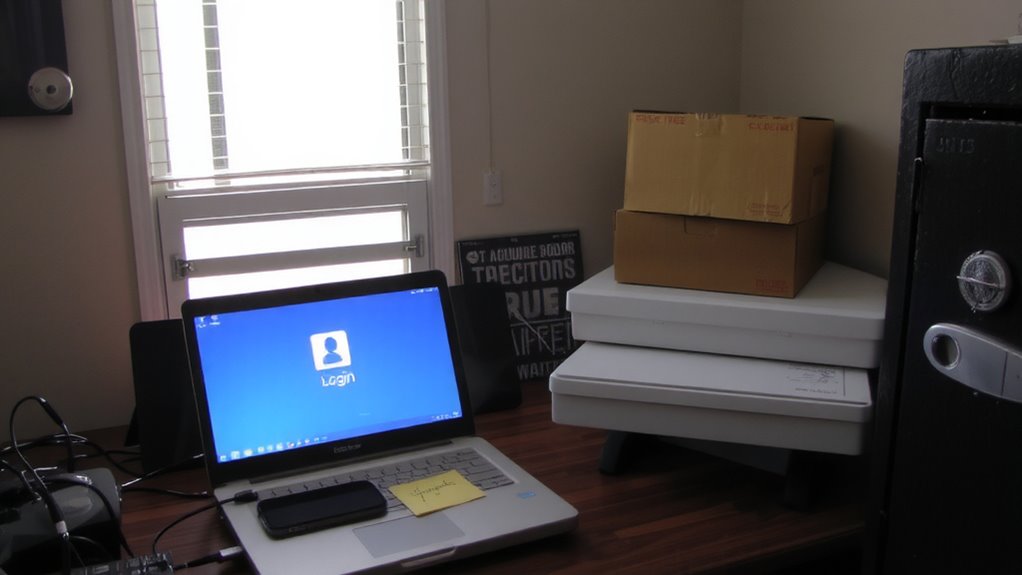
Where do your most vulnerable entry points lie? You might not realize it, but hidden entrances like basement windows or unlocked garage doors offer easy access. These spots are often overlooked during routine security checks. Delivery vulnerabilities also pose real risks-packages left unattended can signal valuable inventory to criminals. Assess every possible access point, both obvious and disguised. Check for weak locks, poor lighting, or blind spots cameras don’t cover. Entry via service doors or shared driveways increases exposure, especially in multifamily homes. Prioritize reinforcing hidden entrances with solid locks and motion sensors. To reduce delivery vulnerabilities, use secure drop boxes or require signatures. Schedule deliveries during daylight hours when possible. Evaluate your home layout objectively-what’s convenient for you could be an open invitation for theft. A few low-cost upgrades now can prevent costly losses later. Consider installing a top security door stopper to add an extra layer of protection against forced entry.
Secure Inventory With Smart Home Storage
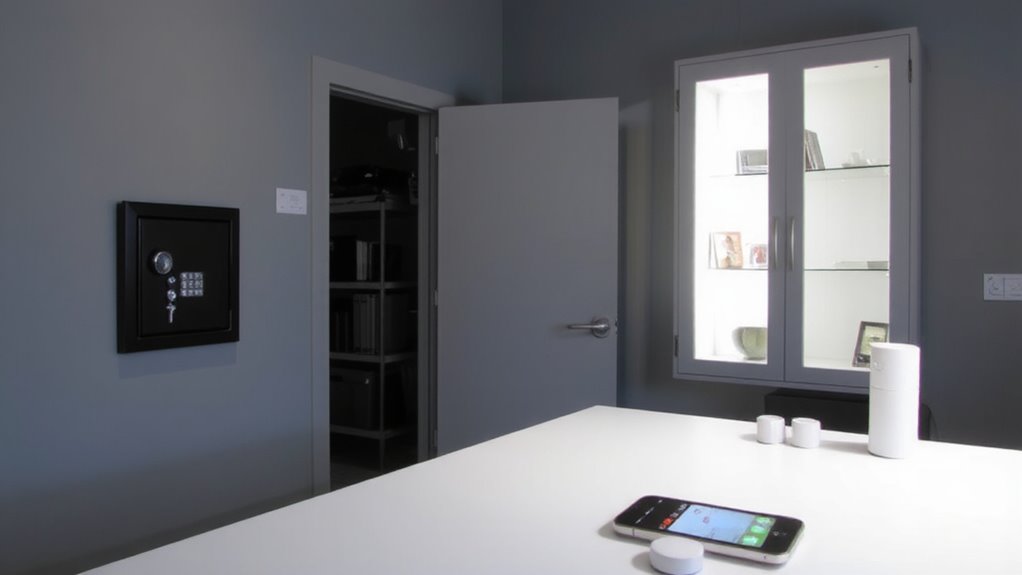
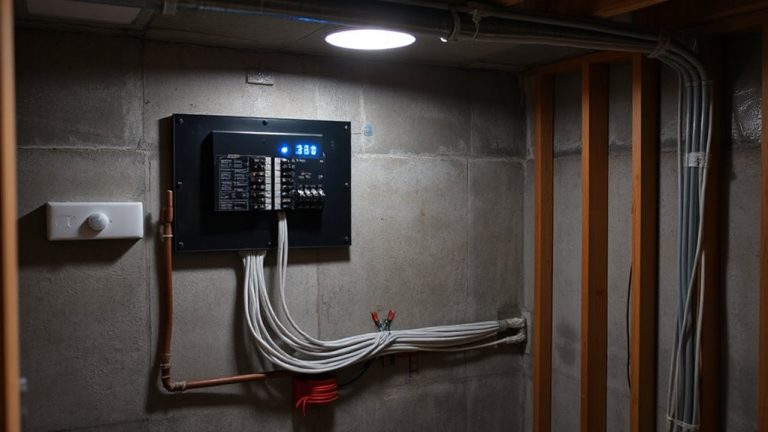
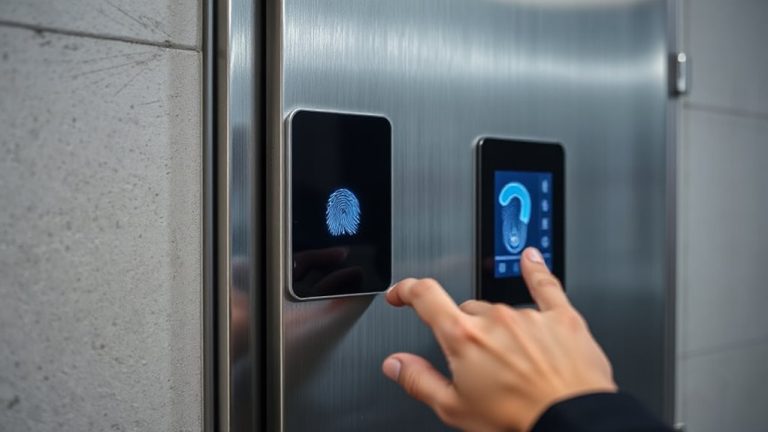
You’ve already checked the weak spots around your property, from basement windows to unmonitored driveways, so now it’s time to focus on what’s inside-your inventory. Smart home storage helps protect valuables with features like climate control and tamper detection. Climate control keeps sensitive items-like documents, art, or electronics-safe from humidity or temperature swings. Tamper detection alerts you if someone tries to open a cabinet or drawer without authorization. Many smart safes and lockable drawers connect to your home network, sending real-time alerts to your phone. Units range from $150 for basic models to over $500 for those with biometric locks and advanced monitoring. Installation is usually simple, often requiring only a power outlet and Wi-Fi. While reliable, these systems depend on consistent internet, so consider battery backups. Plan placement in low-traffic, secure rooms. These steps substantially improve inventory protection. For added security, consider investing in one of the best home safes designed for both fire resistance and anti-theft protection.
Install Surveillance and Alarms That Deter Thieves
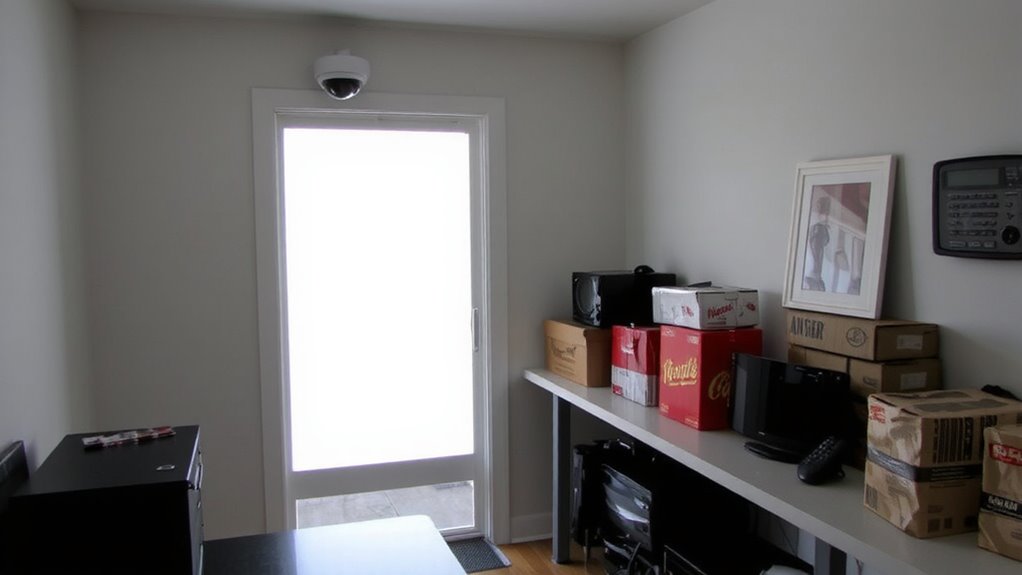
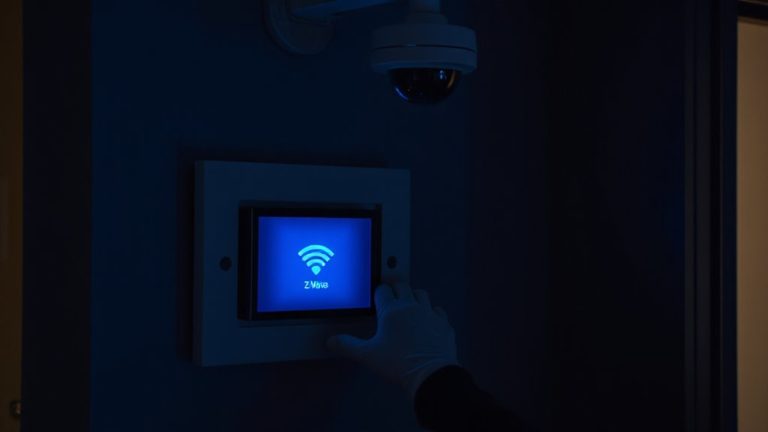
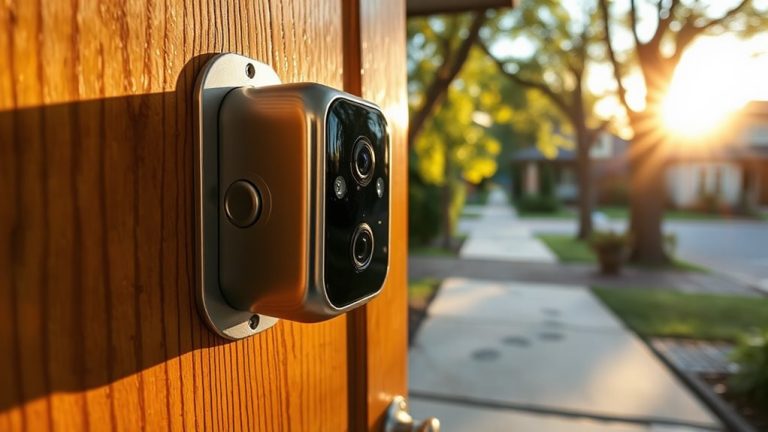
While visible security systems can reduce the likelihood of a break-in by up to 60%, choosing the right surveillance and alarm setup requires careful planning. You’ll want cameras with motion detection to catch activity around your home office or storage areas, reducing false alerts from pets or passing cars. Opt for systems that support remote monitoring so you can check feeds from your phone, tablet, or computer-especially useful during business hours or travel. Wired systems offer reliability but cost more to install; wireless ones are easier to set up but may need frequent charging. Consider models with night vision, weather resistance, and cloud storage. A monitored alarm system with professional response adds protection, though subscription fees apply. Place cameras at entry points and use visible signage to deter intruders. Balance features with your budget, and guarantee your internet supports real-time streaming. For optimal performance, choose best home security cameras that combine high-resolution video with reliable motion detection and easy integration into existing smart home ecosystems.
Stop Advertising You Run a Business From Home
Could your front yard sign or brightly lit home office be inviting unwanted attention? High neighborhood visibility can make your home business a target. Thieves often scout for clues like frequent package delivery, boxes at the door, or equipment-filled workspaces visible through windows. You don’t need to hide your work, but avoid obvious indicators. Skip the flashy signage and limit exterior lighting that highlights business activity at night. Schedule package deliveries during the day when someone’s home, or use a locked mailbox or off-site pickup. Opt for neutral decor that doesn’t suggest inventory inside. These steps reduce risk without hurting operations. Monitoring delivery patterns and adjusting visibility are simple, low-cost strategies. They’re proven to deter opportunistic theft. Stay discreet, stay secure.
Protect Your Home Business Data Online
A secure home office starts with what you can’t see as much as what you can-online threats are just as real as a break-in, and they’re on the rise. You need strong password management to protect accounts; use a reputable password manager to generate and store complex passwords, reducing the risk of breaches. Data encryption is essential, both for files at rest and information in transit, ensuring sensitive business data stays unreadable if intercepted. Enable full-disk encryption on your devices and use encrypted connections like HTTPS or a trusted VPN. Avoid public Wi-Fi for business tasks, and always update software to patch security flaws. These steps aren’t foolproof, but they substantially lower your risk. Investing in encryption and consistent password practices costs little, but the absence of either could lead to costly data loss or theft. Stay proactive-you’ve got this.
Plan Your Response If Thieves Strike
What would you do if someone broke in and stole your business equipment or customer data? Planning your emergency response ahead of time can reduce chaos and speed recovery. Start by listing key actions: contact authorities, document the loss, and notify your insurance provider immediately. An up-to-date insurance review guarantees your policy covers replacement costs and data breaches.
| Step | Purpose |
|---|---|
| Alert police | Start official record |
| Secure premises | Prevent further risk |
| Report to insurer | Begin claims process |
| Review security flaws | Improve future protection |
| Contact affected clients | Maintain trust and comply with laws |
Keep a printed emergency response checklist in your workspace. Update your inventory log regularly and store digital backups offsite. Knowing exactly what was stolen strengthens your insurance review and claim outcome. Preparation today saves time, money, and stress tomorrow.
On a final note
You’ve secured your home business by identifying weak spots and protecting inventory with smart storage. Surveillance and alarms deter thieves, while avoiding obvious signs keeps your operation discreet. Online data stays safe with strong passwords and two-factor authentication. If theft occurs, your response plan minimizes damage. Investing in security now reduces risk later. Consider cost-effective systems with motion detection, cloud backups, and professional monitoring for best results.