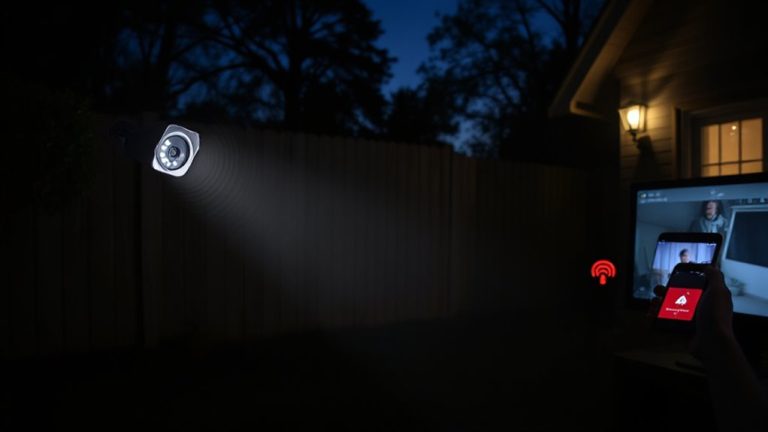
Pros and Cons of Using Smart Doorbells as Part of a Full Home Alarm Setup
You gain real-time video, two-way audio, and motion alerts that boost deterrence-studies show visible cameras reduce break-ins. But privacy risks exist, especially with cloud storage and data sharing. Your system may fail during outages unless it has battery or LTE backup. False alerts from traffic can cause fatigue, but smart zones and AI help. When integrated, doorbells can trigger alarms or lock doors automatically. With $100–$250 upfront and $3–$10 monthly fees, they add value over five years. You’ll find how to balance security and privacy with the right setup.
Notable Insights
- Smart doorbells enhance alarm systems with real-time video and two-way audio for remote visitor monitoring.
- Integration with alarms allows motion detection to trigger alerts or activate security protocols automatically.
- False alerts from environmental movement can cause alert fatigue, reducing overall system responsiveness over time.
- Cloud storage and data sharing with third parties pose privacy risks, especially without end-to-end encryption.
- Reliable operation depends on consistent power and Wi-Fi, though battery and LTE backups improve resilience.
Are Smart Doorbells Worth It for Home Security?
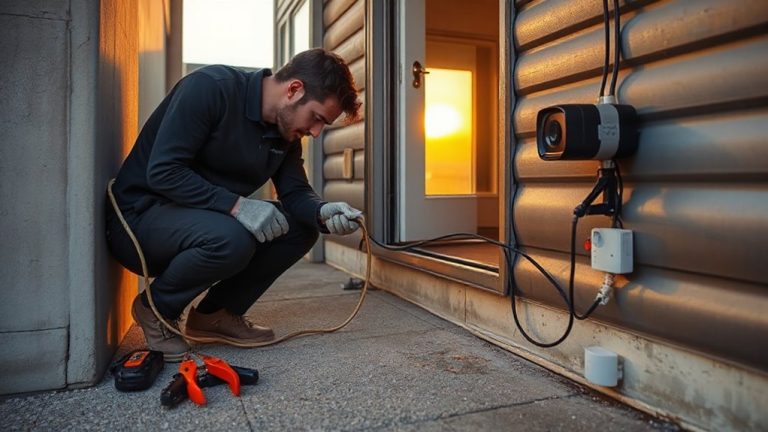
What if you could see and speak to anyone at your front door-even when you’re not home? With a smart doorbell, you can. These devices offer real-time video and two-way audio, letting you monitor activity remotely. One of their strongest features is deterrence benefits-visible cameras often discourage intruders, and studies show homes with cameras are less likely to be targeted. Most models are easy to install, though installation complexity varies; wired versions may need existing doorbell wiring, while battery-powered ones offer more flexibility but require recharging. Placement near eye level guarantees maximum face capture. Expect to spend $100–$250, plus potential cloud subscription fees. Look for night vision, motion detection, and integration with your existing alarm system. Overall, smart doorbells add value when paired with broader security planning. Some models now offer robust features without requiring a subscription, making best video doorbells without subscription an appealing option for cost-conscious users.
Do Smart Doorbells Increase Privacy Risks?
How much personal data are you sharing when you install a camera at your front door? Smart doorbells offer convenience, but they also raise legitimate surveillance concerns. Your device captures footage not just of visitors, but often of neighbors, public sidewalks, and passing traffic-data that could be stored or shared without your knowledge. Many companies engage in data sharing with third parties or law enforcement, depending on their policies. A reliable home security camera system integrates seamlessly with smart doorbells while offering robust privacy controls.
| Feature | Risk Level |
|---|---|
| Cloud storage | High |
| Motion tracking | Medium |
| Police integration | High |
Always review privacy settings and choose models with end-to-end encryption. You can reduce surveillance concerns by adjusting motion zones and disabling recording in public areas. Be proactive-understanding data sharing practices helps protect your home and respects the privacy of those around you.
What Happens When Wi-Fi or Power Fails?
Even if your smart doorbell offers advanced features like motion detection and live streaming, it won’t function during a Wi-Fi or power outage unless specifically designed for backup. A signal interruption cuts off notifications and remote access, leaving you blind to front-door activity. Most models rely on constant power and internet, but some include backup solutions like built-in batteries or local storage. Wired doorbells with battery backups can keep working briefly during outages, while solar-powered options extend uptime. Look for models supporting LTE or local Wi-Fi hotspots to reduce signal interruption risks. Consider how often your area loses power or internet, and weigh investing in a system with reliable backup solutions. These add cost but improve dependability. Overall, plan for outages by choosing a doorbell with strong power resilience and clear connectivity alerts, ensuring consistent home monitoring even when utilities fail. Battery-powered Ring cameras offer an additional layer of security during power failures.
Do False Alerts Trigger Your Alarm System?
Power and connectivity issues can disable your smart doorbell temporarily, but another concern affects your alarm system even when everything’s running smoothly-false alerts. If your doorbell mistakes a passing car or swaying tree for motion, it may send unnecessary notifications. These false alarms don’t usually trigger the full alarm system, but they can activate alerts tied to it. Over time, repeated false alerts lead to alert fatigue, where you start ignoring notifications altogether. Studies show households experiencing more than five false alerts weekly are 60% more likely to disable motion sensing. To reduce this, adjust motion zones and sensitivity settings. Choose models with AI detection that distinguishes people from objects. While most setups let you silence non-critical alerts, keeping some active guarantees real threats aren’t missed. Review settings monthly, especially after seasonal changes.
How Smart Doorbells Work With Alarms and Smart Locks
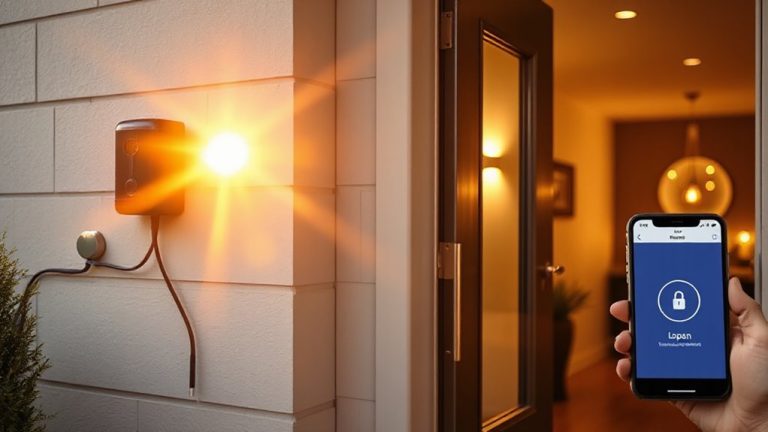
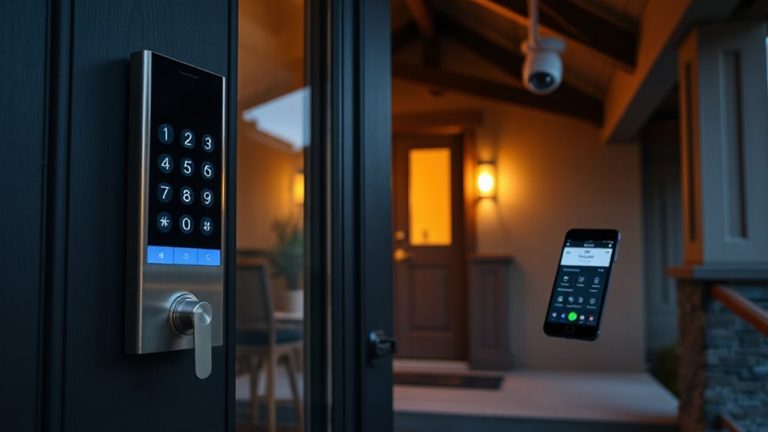
When properly integrated, your smart doorbell can work alongside existing alarm systems and smart locks to create a layered home security network. You’ll need to check integration compatibility with your current devices to guarantee they communicate seamlessly. Many systems use Wi-Fi or Z-Wave protocols, so confirming shared standards is key. With compatible gear, you gain remote access through a single app, letting you see who’s at the door, open it, or trigger alarms from anywhere. Some kits allow the doorbell to sound the alarm if motion is detected while the system is armed. Smart locks can auto-lock at set times or when the alarm activates. While setup may require some tech confidence, the payoff is tighter coordination across devices, giving you more control and real-time awareness of home entry points without overcomplicating daily use.
Is a Smart Doorbell a Good Investment?
A smart doorbell can be a solid addition to your home security setup, especially if you already use alarms or smart locks. You’ll benefit from real-time alerts and video verification, which help you monitor visitors remotely. Regarding cost effectiveness, these devices may reduce false alarms and even lower insurance premiums over time. Most models offer cloud storage or local backup, giving you flexibility. With solid long term durability, especially in weather-resistant designs, many units last five years or more with minimal maintenance. Look for models with strong encryption and regular firmware updates to guarantee continued protection. While the upfront price ranges from $100 to $250, ongoing subscription fees for video storage can add $3 to $10 monthly. Choose one that integrates seamlessly with your existing system to maximize value and performance.
On a final note
You get real-time alerts and video proof when someone’s at your door, which can help deter intruders. But smart doorbells rely on Wi-Fi and power, so outages disable them. They sometimes trigger false alarms and may raise privacy concerns if not secured. Paired with alarms and smart locks, they add useful layers. For best results, pick models with local storage, backup batteries, and strong encryption. Weigh upfront cost against long-term peace of mind.