Setting Up Silent Alarms for Discreet Emergency Notification
You can set up a silent alarm to discreetly alert monitoring centers or emergency contacts during crises without drawing attention. These systems use encrypted signals, cellular backup, and 24/7 monitoring-often for $20–$60 monthly-and include wearable buttons, home base units, or smartphone SOS features. They’re ideal for medical scares or intrusions, minimizing false alarms and escalation. Devices like medical alerts or apps with GPS offer reliable, low-maintenance protection. You’ll find pairing them with home security boosts response accuracy and peace of mind.
Notable Insights
- Install a monitored silent alarm system with cellular backup to ensure alerts transmit during outages.
- Place wearable or wall-mounted panic buttons in accessible locations for quick, discreet activation.
- Link the silent alarm to a 24/7 monitoring service that verifies emergencies before dispatching responders.
- Sync the system with home security devices like sensors and cameras for automated alert triggering.
- Test the system monthly and maintain battery life to ensure reliable, around-the-clock operation.
What Are Silent Alarms? How They Keep You Safe
A silent alarm is a security system that sends a covert alert to monitoring services or authorities without drawing attention. When you activate it-often through discreet panic buttons-no siren sounds, which helps prevent escalation. These emergency signals are instantly relayed to professionals who can respond appropriately. Many systems include wearable or wall-mounted panic buttons, ideal for medical issues, intrusions, or other urgent situations. You benefit from fast response times, especially when speaking isn’t safe or possible. While installations vary, most require a monitored service plan, typically costing $20–$60 monthly. Some models integrate with home security or mobile apps, enhancing accessibility. The main downside? False alarms can occur if buttons are pressed accidentally. To reduce risks, place panic buttons strategically-near beds, entryways, or workspaces-and test them monthly. Silent alarms offer reliable, unobtrusive protection when you need it most.
How Silent Alarms Work in Emergencies
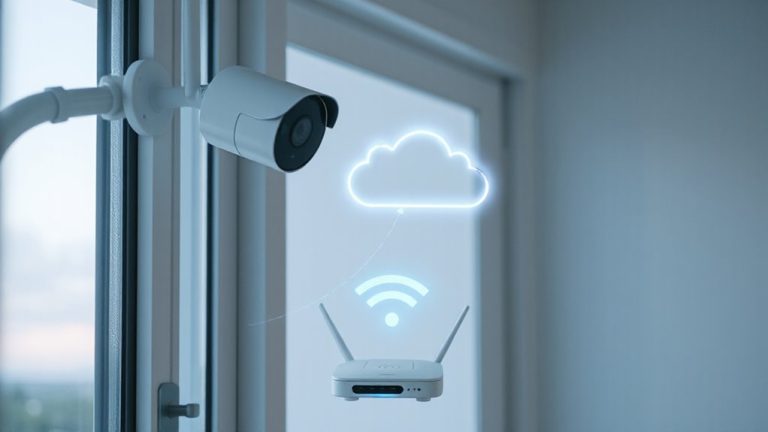
When you activate a silent alarm during an emergency, it sends a signal to a monitoring center without triggering a loud siren, helping you stay safe while alerting professionals. The system uses signal encryption to guarantee your data stays secure and prevents unauthorized access. This encrypted signal travels to the monitoring hub, where staff verify the alert before dispatching help. Because silent alarms don’t rely on noise, they reduce false alarms caused by loud triggers that might panic intruders or alert others unnecessarily. Monitoring teams often contact you first to confirm the situation, minimizing unnecessary emergency responses. Reliable systems use cellular backup so the signal transmits even if internet or power fails. You can activate these alarms manually via an app, wearable, or keypad, depending on your setup. This discreet method guarantees fast, verified emergency support while maintaining your safety and privacy. Best motion sensor alarms can enhance silent alert systems by detecting movement without visible signs of activation. Best motion sensor alarms provide reliable detection and integration with silent alarm protocols.
Best Silent Alarm Devices for Home and Personal Use
Reliability matters most when choosing silent alarm devices for home and personal protection, and top models deliver consistent performance through encrypted signals, backup connectivity, and easy activation. Wearable panic buttons are ideal for personal use-small, discreet, and often water-resistant, they let you alert emergency contacts with a single press. Many sync with smartphone apps and use GPS trackers to share real-time location, improving response accuracy. For home setups, base units with long-range signals work well, especially those with cellular backup in case Wi-Fi fails. Devices like medical alert systems often combine wearable buttons with 24/7 monitoring services, though subscription fees apply. Look for models with long battery life-six months or more-and low-battery alerts. Entry-level options start around $50, while monitored systems cost $20–$30 monthly. Always test your device monthly to verify it’s working. For reliable options, consider reviewing the top picks from recent expert evaluations.
Set Up Silent Alerts on Your Smartphone
Though you might not think of your smartphone as a security device, it can serve as a reliable tool for silent alerts when set up correctly. Enable built-in safety features like emergency SOS, which activates with a button press or rapid side-button taps. These functions can silently call emergency services or notify trusted contacts. Use app integration to enhance functionality-apps like Life360 or Noonlight sync with your phone’s sensors and allow custom triggers, such as stopping movement or entering a unsafe area, to prompt alerts. Most apps are free with optional paid upgrades, offering GPS sharing, two-way messaging, and 24/7 monitoring. Check compatibility with your phone’s OS, and test alerts periodically. While smartphones offer convenience and portability, they depend on battery life and network signal, so keep your phone charged and consider backup methods.
Link Your Silent Alarm to a Home Security System
Your smartphone can act as a personal alert tool, but linking it to a home security system adds a stronger layer of protection for your household. Alarm integration allows your silent alarm to trigger your security system automatically, sending signals to monitoring centers without noise. This means intrusions or emergencies activate responses even if you can’t call. System synchronization guarantees devices-like door sensors, cameras, and your phone-work together seamlessly. Most modern systems support app-based control, letting you arm, disarm, or trigger alerts remotely. Look for systems with cellular backup to maintain connection during power outages. While professional monitoring often requires a monthly fee-typically $20 to $50-it provides 24/7 oversight. DIY setups cost less upfront but may lack real-time response. Choose a system that supports both local alerts and remote notification to maximize reliability and response speed. Top-rated systems offer features like 24/7 professional monitoring to ensure immediate assistance during emergencies.
Who Gets Notified: Managing Emergency Contacts
Who should respond when your silent alarm goes off? Choosing the right emergency contacts guarantees a fast, effective response. Good contact management means listing people who are nearby, reliable, and aware of your situation. Avoid overcrowding your list-too many contacts can cause confusion or delayed action.
| Contact Type | Why It Matters |
|---|---|
| Family member | Available quickly, knows your routines |
| Trusted neighbor | Close by, can check in fast |
| Security service | Offers professional, 24/7 monitoring |
Prioritize people who can act immediately. If you’re using a monitored system, your alarm automatically alerts professionals. Otherwise, your emergency contacts must take charge. Update your contact management regularly-life changes, and so should your list. Clear, current choices mean better safety. Think ahead, respond faster.
Test and Maintain Your System for 24/7 Readiness
Even if your silent alarm system seems to be working fine, regular testing guarantees it will perform when you need it most. System testing once a month makes certain all sensors, connections, and alerts respond correctly. Trigger the alarm and confirm notifications reach your emergency contacts and monitoring service without delay. Check for error messages or delays that could signal connectivity issues. Battery maintenance is just as critical-replace backup and device batteries every six months, or as the manufacturer recommends. Use lithium batteries for longer life and reliability, especially during power outages. Inspect wiring and connections for wear, corrosion, or damage. Keep a log of each test and battery change to track performance over time. A well-maintained system reduces false alarms and increases dependability. With consistent system testing and proper battery maintenance, your silent alarm stays ready 24/7.
On a final note
You now have the tools to set up silent alarms that alert help without drawing attention. These systems work fast, silently sending alerts to contacts or monitoring services when you’re in danger. Choose reliable devices or smartphone features, link them to your security system if possible, and keep emergency contacts updated. Test monthly to guarantee everything runs smoothly, and consider monthly fees for professional monitoring when budgeting. Stay safe.