How To Create a Safe Play Area for Children In A Backyard Setting While Ensuring Adequate Security Measures Are in Place
Install secure fencing with childproof latches at least 54 inches high, using durable materials like vinyl or aluminum for $20–$60 per linear foot. Use shock-absorbing surfaces such as rubber mulch ($7–$12/sq ft) or wood chips ($2–$5/sq ft), avoiding concrete. Remove standing water, sharp objects, and debris. Place play zones in visible areas near the house for easy monitoring. Choose safety-certified, age-appropriate equipment-like low swing sets with harnesses-and anchor them firmly. You’ll find more key steps to build a secure, practical play space.
Notable Insights
- Install secure fencing with childproof gates using durable materials and latches placed at least 54 inches high.
- Use shock-absorbing ground surfaces like rubber mulch or engineered wood fiber to reduce fall injury risks.
- Eliminate yard hazards by removing standing water, sharp objects, and storing tools out of children’s reach.
- Position play areas for clear visibility from the home to ensure constant supervision and reduce blind spots.
- Choose age-appropriate, safety-certified equipment and anchor swing sets securely to prevent tipping accidents.
Install a Secure Fence With Childproof Gates
While keeping your yard open might seem inviting, installing a secure fence with childproof gates is one of the most effective ways to prevent accidental injuries and guarantee a safe play area for children. You should choose durable gate materials like vinyl, aluminum, or treated dzs, based on your climate and maintenance preferences. Vinyl resists rust and rot but may cost more upfront. For latch mechanisms, opt for those that require two actions to open-such as lift-and-turn-so young kids can’t easily wander out. These latches should be installed at least 54 inches high, out of children’s reach. Make certain gates self-close and self-latch reliably. Regular checks help maintain function. A well-installed fence with secure gate materials and proper latch mechanisms typically costs $20 to $60 per linear foot, depending on materials and labor. Plan measurements carefully before purchase.
Pick Cushioned Ground Surfaces for Safety
A safe play area starts from the ground up-literally. You need ground surfaces that offer effective shock absorption to reduce injury risk during falls. Materials like rubber mulch, poured-in-place rubber, and engineered wood fiber provide strong fall protection, especially under and around play equipment. The Consumer Product Safety Commission recommends at least 12 inches of loose-fill material or seamless surfacing that meets ADA accessibility standards. Rubber surfaces often deliver superior shock absorption but cost more upfront-typically $7 to $12 per square foot. Wood chips are cheaper, around $2 to $5 per square foot, but require regular top-ups and compaction checks. For consistent fall protection, avoid concrete, asphalt, or packed dirt. Test materials periodically by measuring depth and checking for hardness. Choose cushioned surfaces that balance safety, budget, and maintenance to keep your backyard play area secure.
Assess Your Yard for Child-Specific Hazards
Start by walking through your yard with a child’s perspective in mind-you’ll spot hazards adults often overlook. Look for water hazards like wading pools, buckets, or clogged gutters; even shallow water can pose a drowning risk within seconds. Empty standing water regularly and secure lids on containers. Check for sharp objects such as broken toys, exposed nails, or cracked fencing-these can cause cuts or puncture wounds during play. Rake up debris, trim overgrown branches, and inspect play equipment for splinters or metal edges. Store gardening tools and outdoor equipment out of reach. Evaluate terrain for tripping risks like uneven pavers or tree roots. Seal off access to ponds or fountains with fencing at least 4 feet high. Address drainage issues to prevent recurring puddles. A thorough, routine inspection helps maintain a hazard-free space and guarantees long-term safety.
Keep Play Zones in Clear Sight
You’ve already identified and removed hidden dangers in your yard, from sharp edges to standing water, setting a strong foundation for safety. Now, guarantee clear visibility by designing an open layout that keeps play zones visible from key vantage points like the kitchen, living room, or patio. Supervision is easier when you can see your child at a glance, without needing to step outside.
| Feature | Benefit |
|---|---|
| Central location | Maximizes sightlines from the house |
| Low landscaping | Prevents visual obstructions |
| Fenced boundaries | Limits wandering, enhances safety |
| Open layout | Allows unobstructed views of play area |
| Clear visibility | Supports quick response if needed |
Position the play space where windows or doors provide direct sightlines, reducing blind spots and improving supervision efficiency.
Choose Age-Appropriate Play Equipment
Safety and suitability go hand in hand when selecting play equipment, and matching gear to your child’s age guarantees both fun and protection. For toddlers, choose a low swing set with high backrests and harnesses-these reduce fall risks by up to 50%. Older kids benefit from adjustable swings and taller frames, but only if they’ve developed basic coordination. Always anchor the swing set securely to prevent tipping, especially in windy areas. For sandbox design, opt for smooth, rounded edges and a cover to keep out pests and debris. Toddlers need shallow depths (6–8 inches) with soft, non-toxic sand, while older children can handle deeper setups for creative play. Check ASTM safety standards when buying equipment-most certified products last longer and have fewer recalls. Prices vary: basic swing sets start around $200, while premium models with multi-level features range above $800, depending on material and size.
Practice Supervision and Daily Safety Checks
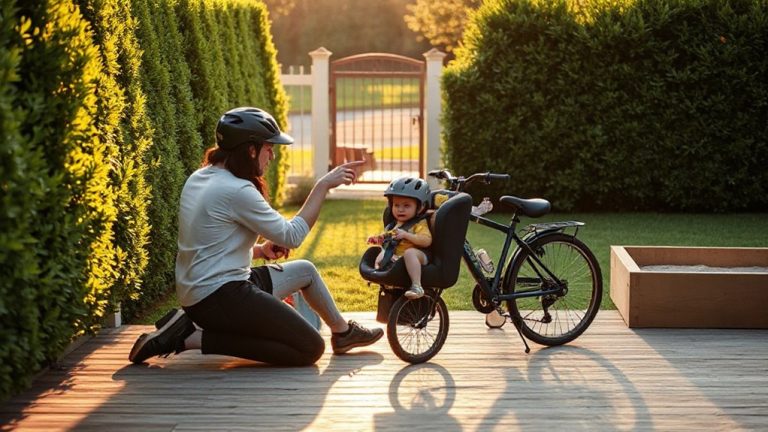
While children are naturally drawn to active and imaginative play, they still require consistent adult supervision to prevent accidents-especially in environments with climbing structures or moving parts. You should practice active monitoring whenever kids are playing, which means staying within arm’s reach for younger children and maintaining clear sightlines for older ones. Distracted supervision increases injury risks markedly. Perform routine inspections every morning before play to check for loose bolts, splintered wood, or worn ropes. Look for signs of rust, shifting foundations, or exposed hardware that could cause harm. These daily safety checks take only a few minutes but greatly reduce accident likelihood. Keep a simple checklist near the play area as a reminder. Combining vigilant supervision with structured maintenance guarantees a safer, more secure environment where children can learn and grow confidently.
On a final note
You’ve taken key steps to create a safe backyard play area by installing a secure fence with childproof gates, using cushioned ground surfaces, and removing hazards. Keeping play zones visible and choosing age-appropriate equipment reduce risks greatly. Daily checks and active supervision support long-term safety. These measures, backed by safety data, offer proven protection. Plan thoughtfully, budget for quality materials, and maintain regularly to guarantee lasting security and peace of mind.