How Smoke and Heat Detectors Integrate With Home Alarm Monitoring Services
Your smoke and heat detectors link to a monitored alarm system, sending instant signals when danger is sensed. They use wired or wireless connectivity, often with Wi-Fi or cellular backup, to alert a 24/7 monitoring center. That team confirms the threat, contacts emergency services, and tries to reach you. For reliability, choose UL-certified systems with dual sensors, smart detection, and sealed lithium batteries-many cost $20–$50 monthly. You’ll also see how placement and connectivity shape real-world performance.
Notable Insights
- Smoke and heat detectors send alarm signals to monitoring centers via wired or wireless home alarm systems.
- Wireless integration enables real-time alerts to monitoring centers and smartphones using Wi-Fi or cellular connectivity.
- Monitoring centers receive instant notifications and follow verified protocols to dispatch emergency services when needed.
- Detectors use smart sensing and dual-technology to reduce false alarms before signaling the monitoring service.
- Professional monitoring services use cellular backup to ensure detector signals transmit during power or internet outages.
How Monitored Smoke and Heat Detectors Work
While some detectors simply sound an alarm, monitored smoke and heat detectors go a step further by sending a signal to a professional monitoring center whenever they’re triggered. You’re alerted instantly, and emergency services can be dispatched even if you’re not home. Proper sensor placement is critical-install units on every level, inside bedrooms, and near kitchens, but not too close to vents or windows where airflow might interfere. For reliable operation, battery maintenance matters; test monthly and replace batteries annually, or use sealed lithium models that last up to 10 years. These detectors often integrate with broader alarm systems, providing real-time updates through monitoring services. False alarms can occur, but modern sensors reduce them with dual-sensing technology. Expect to pay $25–$50 per unit, plus monitoring fees. Planning installation carefully guarantees maximum coverage and response when every second counts.
How Wireless Integration Powers Smart Fire Alerts
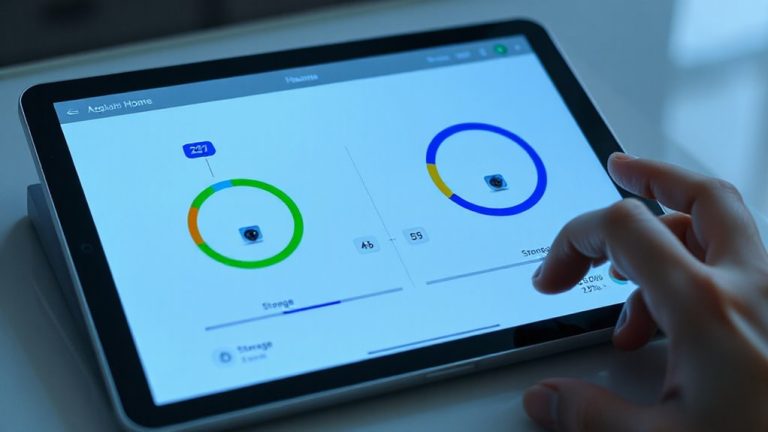
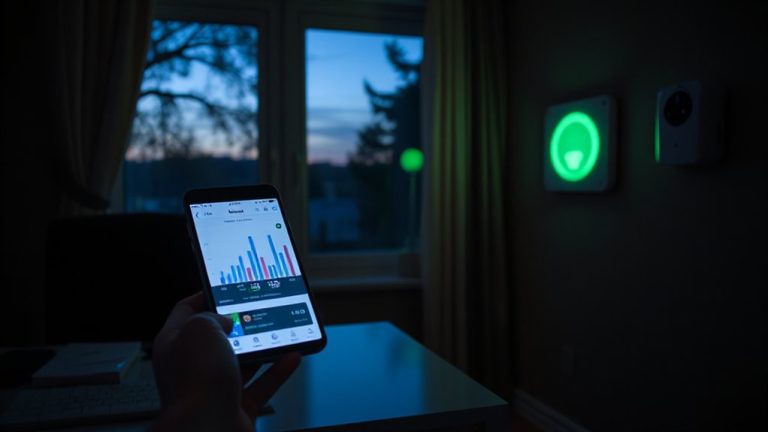
Because your safety depends on speed and reliability, wireless integration has become a cornerstone of modern fire detection systems. You benefit from real-time alerts sent directly to your smartphone and monitoring centers, even when you’re away. Strong signal strength guarantees messages transmit without delay, reducing false alarms and missed notifications. Devices use optimized battery life, often lasting several years, so you don’t need constant replacements. You should test signal strength during setup by checking connectivity at each detector’s location. Low battery warnings are sent in advance, giving you time to respond before power drops. Wireless systems are easier to install than wired ones, but signal strength can weaken through thick walls or large spaces. Consider adding a repeater if coverage is spotty. With solid battery life and reliable signal strength, your smart fire alerts stay active and accurate, keeping your home protected day and night.
What the Monitoring Center Does During a Fire Alert
When your smoke or heat detector senses danger, the signal doesn’t just trigger a local alarm-it’s sent instantly to a 24/7 monitoring center, where trained professionals spring into action. They immediately assess the signal using verified emergency protocols to rule out false alarms. If it’s confirmed, they begin response coordination by contacting emergency services on your behalf. You’ll get a call too, to verify your safety and confirm if you’ve already evacuated. If they can’t reach you, help is dispatched without delay. This entire process guarantees faster response times than relying on local alarms alone. Monitoring centers keep records of each event, which can assist in insurance claims or fire investigations later. Their role is critical-they don’t just receive alerts, they manage real-time emergencies with precision. With proper monitoring, you gain peace of mind knowing experts are always on standby, following strict procedures to protect your home and family.
Top Safety and Connectivity Features to Look For
If you’re choosing a smoke and heat detector system, look for models with dual-sensor technology, which combine photo/output and ionization sensors to detect both fast-flaming and slow, smolder covering fires-this gives you broader protection than single-sensor units. Prioritize false alarm prevention features like smart sensing algorithms that distinguish between real threats and common triggers like cooking smoke. Guarantee device compatibility with your existing home security ecosystem, including smart hubs and monitoring platforms. Wireless connectivity via Wi-Fi or Z-Wave enables remote alerts and system integration. Below are key features to take into account:
| Feature | Benefit | Consideration |
|---|---|---|
| Dual-sensor detection | Covers more fire types | Slightly higher cost |
| Smart false alarm prevention | Reduces unnecessary alerts | Requires firmware updates |
| Wi-Fi/Z-Wave connectivity | Enables remote monitoring | Needs stable home network |
| Voice alert integration | Provides clear emergency info | Dependent on compatible devices |
| Device compatibility | Works with security systems & smart homes | Check manufacturer specifications |
Why Professional Monitoring Speeds Emergency Response
What happens after your smoke and heat detector sounds an alarm? With professional monitoring, the signal goes straight to a central station where trained agents verify the alert and take action. You’re not relying on neighbors or delayed responses-help is called immediately. This means faster dispatch of fire crews, cutting critical minutes off emergency response times. Improved accuracy comes from system verification; agents check for false alarms before sending help, reducing unnecessary calls. Most services work 24/7 with cellular backup, so outages won’t stop alerts. Monthly fees range from $20–$50, but the cost is small compared to potential damage. Choose a UL-certified monitoring center for reliable service. Look for systems with dual-sensor detectors and encrypted signals. These features boost detection and guarantee alerts reach responders without delay.
On a final note
You get faster emergency response when smoke and heat detectors link to professional monitoring. Systems use wireless tech to alert monitoring centers instantly, day or night. Look for models with battery backup, smart alerts, and UL certification. While DIY setups save money, monitored systems reduce false alarms and improve safety. Check compatibility with your security provider and consider monthly fees. Test devices monthly and replace every 10 years for best results.