How to Use Smart Alerts From Environmental Sensors to Prevent Mold Growth
You can prevent mold by placing smart sensors in damp areas like basements and bathrooms, where they detect humidity above 60% and temperature changes. These devices send real-time alerts to your phone when conditions favor mold, letting you act fast. Choose models that work with your smart home system and offer accurate, encrypted data. For best results, pair them with dehumidifiers or HVAC systems. A single sensor starts around $30, but multiple units may be needed for full coverage-smart setups give you the early warnings you need.
Notable Insights
- Set smart sensors to trigger alerts when humidity exceeds 60%, the threshold for mold growth.
- Place sensors in high-moisture areas like bathrooms, basements, and under sinks for early detection.
- Sync sensors with dehumidifiers or HVAC systems to automatically reduce humidity levels.
- Receive real-time notifications via smartphone to act quickly on moisture spikes.
- Use sensors compatible with smart home systems for seamless automation and remote monitoring.
Why Mold Grows: And How Smart Sensors Stop It Early
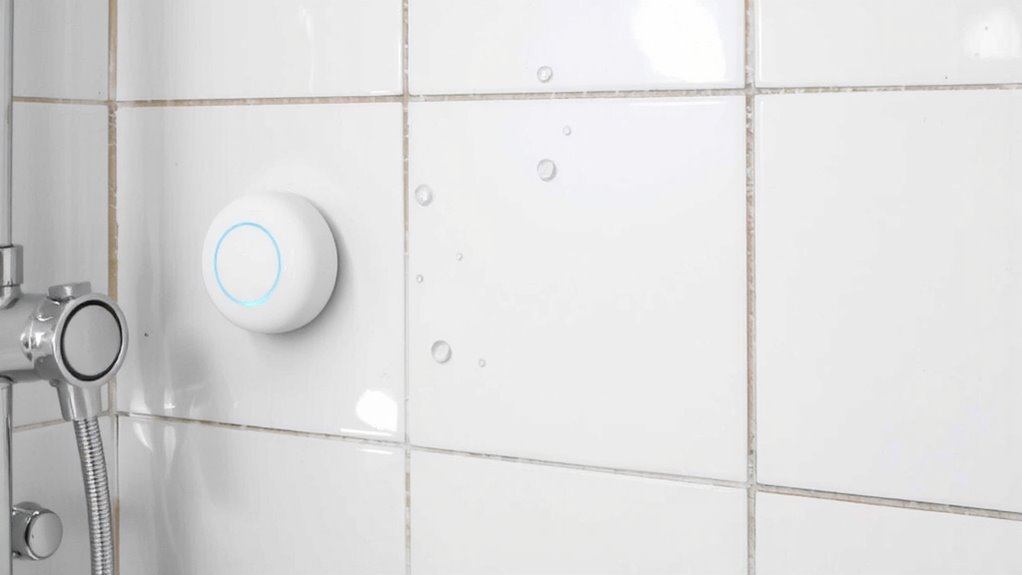
While mold often starts in hidden spots you can’t see, it thrives under predictable conditions-moisture, warmth, and organic material-making bathrooms, basements, and kitchens prime targets. You release fungal spores daily, and when they land on damp surfaces, they begin growing within 24 to 48 hours. Temperature fluctuations worsen the problem by creating condensation, especially on walls and windows. These small changes, even overnight, can elevate humidity enough to support mold. Smart sensors monitor your home’s environment continuously, detecting shifts in moisture and temperature before conditions become ideal for mold. They alert you to rising humidity or sustained dampness, letting you act early. Units typically cost $50–$150 each, last 2–3 years on battery, and integrate with home systems. Early warnings reduce long-term damage and cut remediation costs substantially.
How Smart Sensors Detect Hidden Moisture and Humidity
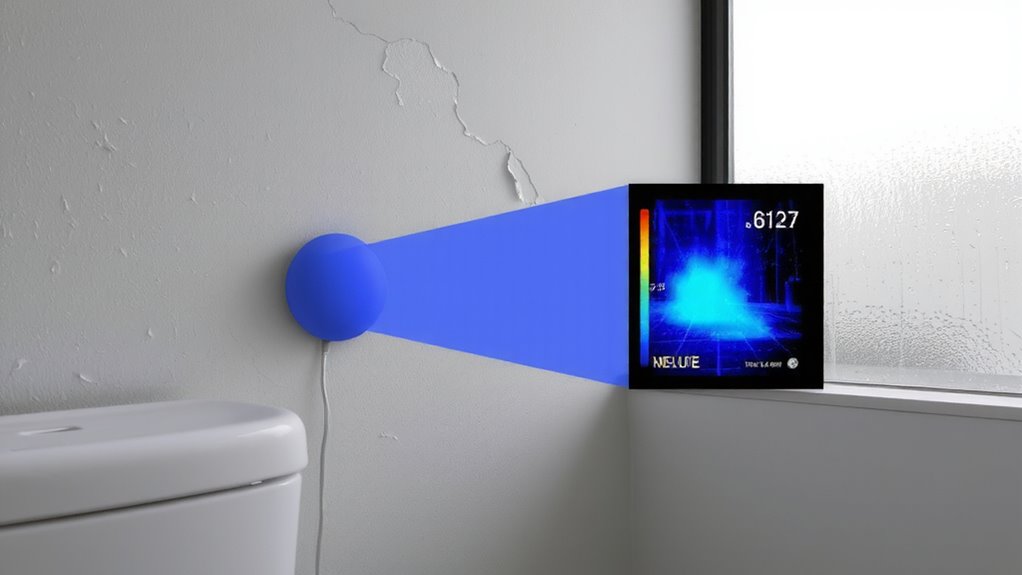
Smart sensors spot hidden moisture and humidity using precise digital hygrometers and thermal sensors that track changes in real time. You get accurate readings even in dark corners or behind walls where mold thrives unseen. These sensors use wireless connectivity to send updates straight to your smartphone or tablet, so you don’t need to be onsite to monitor conditions. With data encryption, your information stays private and secure as it moves between the sensor and app. That’s critical for protecting your home’s environmental history from cyber threats. Most sensors update every few minutes, giving you a steady flow of reliable data. They’re easy to install, often battery-powered and wall-mountable. While higher-end models cost more, their precision and security features are worth it. You’ll catch problems early-quietly, consistently-without guesswork. For homes seeking seamless monitoring, best WiFi water sensors offer reliable integration with smart home systems.
Pick a Smart Sensor That Alerts You to Mold Risks
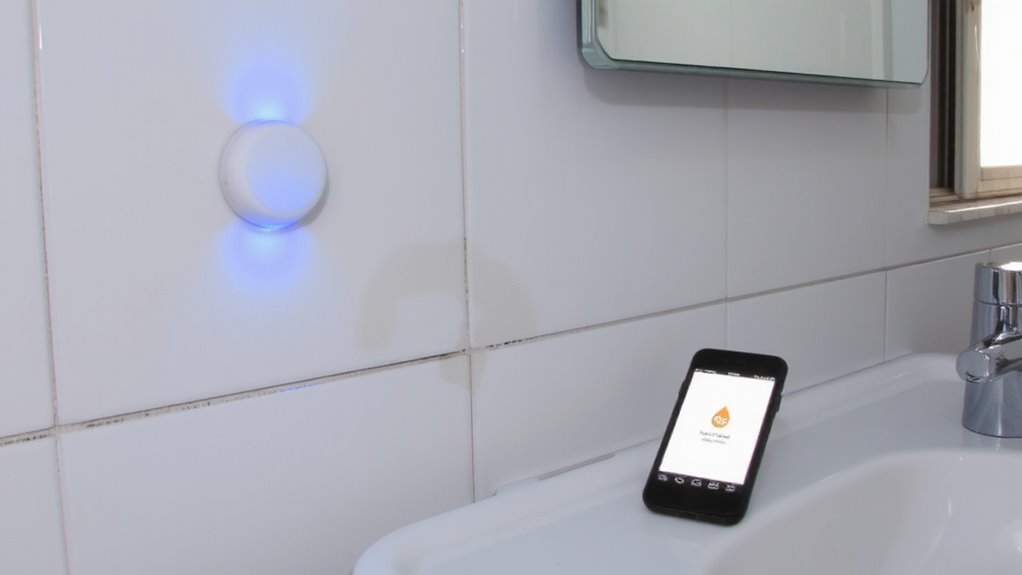
Because mold grows in places you often can’t see, choosing the right sensor means catching risks before they become problems. Look for high sensor accuracy so humidity and temperature readings are reliable-this helps you spot conditions mold loves, like above 60% humidity. Even small errors can mean missed warnings, so pick sensors tested for precision. Check brand compatibility too; your sensor should work with your existing smart home system, like Alexa, Google Home, or Apple HomeKit, so alerts reach your phone fast. Some models offer direct integration, while others need a hub. Top models cost $30–$60 each and send real-time updates. While more expensive sensors often offer better accuracy and broader compatibility, even budget options can help if they link to your network reliably. Prioritize consistent alerts and trusted data so you can act quickly.
Place Sensors Where Mold Hides: Basements, Bathrooms, and More
You’ve picked a reliable smart sensor, but its effectiveness depends on where you install it. Proper sensor placement is critical to catching mold risks early. Focus on high-moisture areas like bathrooms, basements, laundry rooms, and under sinks-places mold loves to grow. These spots often have poor airflow and hidden dampness, making them common blind spots. Install sensors near walls or floors where humidity lingers, but avoid placing them directly beside windows or vents that could skew readings. For larger spaces, use multiple sensors to eliminate coverage gaps. Basements, especially, need at least one sensor near the foundation, where leaks and seepage happen. Bathrooms benefit from sensors outside showers or near toilets-just keep them out of direct water spray. Thoughtful placement helps you detect problems before they spread, improving protection across your home.
Set Up Real-Time Alerts for Dangerous Humidity Spikes
What happens when humidity suddenly rises in a poorly ventilated basement or bathroom? Without monitoring, you might not notice until it’s too late. That’s where real-time alerts come in. Smart sensors let you set custom humidity thresholds-usually above 60%-so you’re notified the moment levels become risky. With alert customization, you decide how and when to get warnings, whether through phone push notifications or emails. Some systems even let you adjust sensitivity based on the room, giving you precise control. This feature helps catch spikes early, before mold takes hold. Most sensors allow you to fine-tune alerts to avoid false alarms, saving time and worry. Setup is simple and works with many home networks. While higher-end models cost more, even budget options offer solid humidity tracking and alert customization.
Act Immediately When Your Smart Sensor Sounds the Alarm
A smart sensor alert is only useful if you act on it quickly. When the alarm sounds, treat it as an emergency response situation. Delaying could allow moisture to damage materials and invite mold. Perform an immediate inspection of the area showing high humidity or water leaks. Check walls, floors, and nearby appliances for visible condensation or dampness. Use a flashlight and look closely behind furniture or in corners where issues start unseen. Note the sensor’s reading and compare it to safe levels-above 60% RH increases mold risk. Acting fast improves your chances of stopping problems before they spread. Consider how often alerts happen and whether the location is prone to moisture. Quick action now saves time, health risks, and repair costs later. Your response time directly affects how well the system protects your home.
Sync Your Sensor With a Dehumidifier or HVAC System
When humidity levels start to rise, your smart sensor can do more than just alert you-it can automatically trigger a response by syncing with a dehumidifier or your HVAC system. This system integration helps maintain ideal indoor humidity, usually between 30% and 50%, reducing mold risk before it starts. With the right setup, your sensor detects excess moisture and signals connected devices to activate, creating an automated response that works even when you’re away. Most modern smart thermostats and dehumidifiers support integration through platforms like IFTTT or native apps, though checking compatibility is key. Initial setup may take time and could require a hub, depending on your devices. While costs vary, investing in integration offers long-term protection. It’s a practical, data-driven way to manage indoor air quality with minimal effort.
On a final note
You can stop mold before it starts by using smart sensors to monitor moisture and humidity. Place them in damp areas like basements and bathrooms, and set up real-time alerts for spikes above 60%. Linking sensors to dehumidifiers or HVAC systems helps control conditions automatically. Look for models with Wi-Fi, long battery life, and app support. At $40–$120 each, they’re a cost-effective way to protect your home and health.