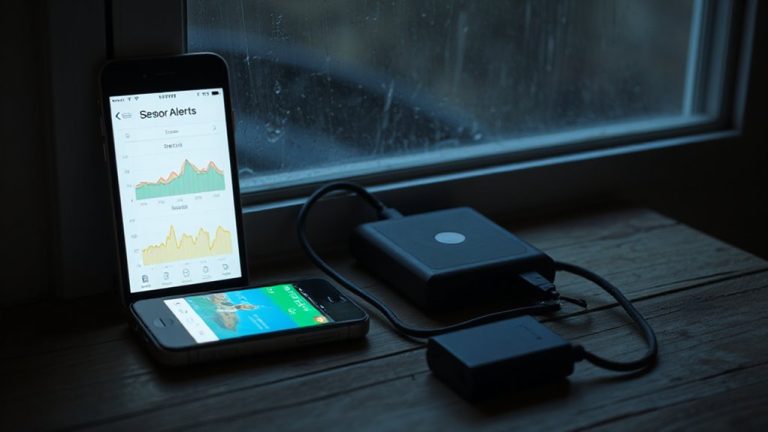
Why Motion Detectors With Built-In Cameras Are Ideal for Entryway Monitoring
Motion detectors with built-in cameras are ideal for entryway monitoring because they instantly spot and record movement, sending you real-time alerts via app. They reduce false alarms by distinguishing people from pets or vehicles. With 1080p video, night vision up to 30 feet, and two-way audio, you see and respond clearly anytime. Models with encryption and local storage boost privacy. Positioning matters-aim to avoid public areas. You’ll discover smarter uses next.
Notable Insights
- Motion-detecting cameras capture activity at entryways before doors are answered, enhancing security proactively.
- Built-in cameras provide video verification, reducing false alarms from pets or environmental triggers.
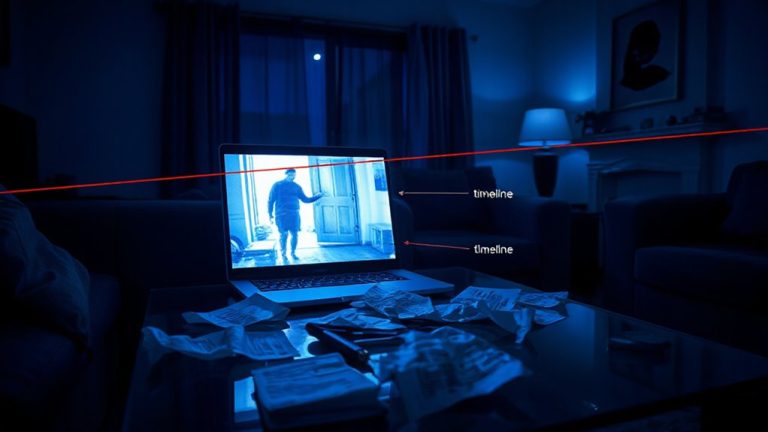
- Real-time alerts with live video allow immediate remote viewing via smartphone apps.
- High-resolution video and night vision up to 30 feet ensure clear monitoring day and night.
- Integrated systems offer easier setup, better encryption, and lower monthly costs than standalone devices.
How Motion + Cameras Secure Your Entryway

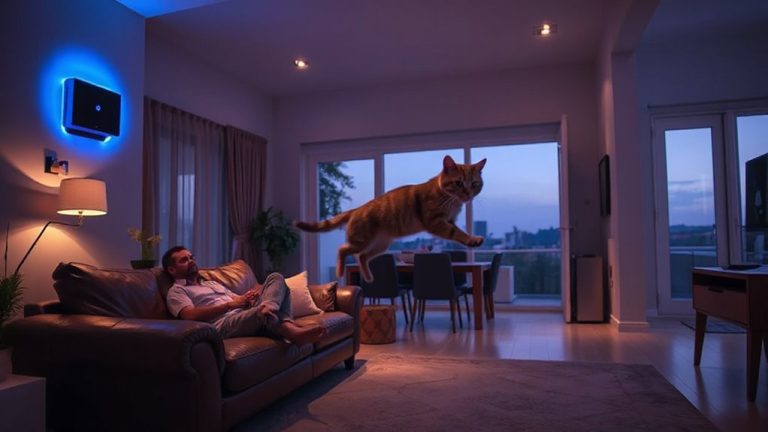
While traditional doorbells simply notify you of a visitor, motion-detecting cameras actively enhance entryway security by identifying and recording movement before you even answer the door. You get real-time alerts when motion triggers the camera, letting you view footage immediately through a connected app. These systems reduce false alarms by distinguishing between people, animals, and vehicles using advanced sensors. Still, privacy concerns exist-footage is stored in the cloud, so choose models with end-to-end encryption and local storage options. Position the camera to avoid capturing public areas, minimizing legal and ethical risks. Look for models with adjustable sensitivity settings, motion zones, and two-way audio. Most reliable units cost $100–$200, with optional subscription plans for extended cloud storage. With proper setup, you balance security and privacy effectively. Some top models, like the best doorbell cameras, offer enhanced features such as facial recognition and seamless smart home integration.
Top Benefits of Combined Security Systems
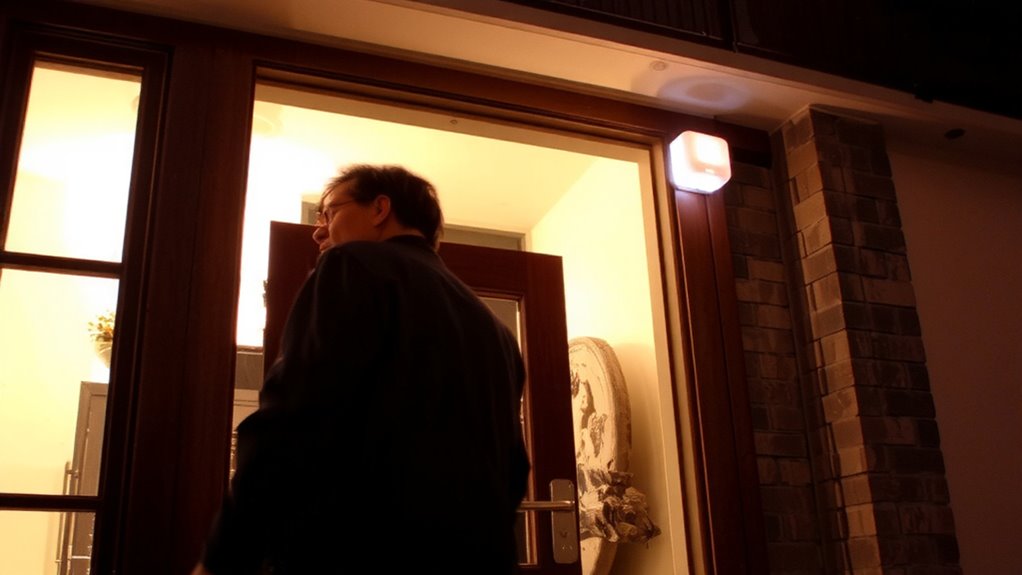
A single system combining motion detection and built-in cameras gives you more reliable entryway protection than standalone devices. You get verified alerts with video proof, reducing false alarms caused by pets or wind. Unlike separate units, integrated systems sync detection and recording seamlessly. Privacy concerns are minimized with encrypted storage and app-controlled access. Best Motion Detectors offer advanced features like AI-based pet immunity and smart home integration for enhanced performance. Below is a quick comparison:
| Benefit | Standalone Devices | Combined Systems |
|---|---|---|
| Detection Accuracy | Moderate | High |
| Installation Ease | Multiple steps | One setup process |
| False Alarms | More frequent | Reduced with video verification |
| Data Privacy | Varies by device | Built-in encryption |
| Monthly Costs | Often higher | Usually lower |
Must-Have Features in Entryway Cameras
You’ve seen how combining motion detection and video in one system improves reliability and cuts down false alerts. Now, focus on key features that make entryway cameras effective. Look for adjustable motion zones so you can ignore areas like trees or sidewalks. High-resolution video, at least 1080p, guarantees clear identification of faces and packages. Night vision is essential-most models offer 30 feet of range. Privacy modes let you disable recording indoors, giving you control when needed. Two-way audio helps communicate with visitors remotely. Consider storage options: local storage via microSD cards avoids subscription fees, while cloud storage offers backup and easier access. Some systems provide both. Check if encryption is used to protect your footage. Battery-powered models offer quick installation, but wired ones guarantee constant power. Choose based on your priorities and home layout. For even greater convenience, consider models with two-way audio that also support smartphone alerts and remote viewing through dedicated apps.
Easy Setup and Smart Home Sync
Since setup time and system integration matter just as much as features, choosing a motion-detecting camera that installs quickly and connects smoothly to your existing smart home can save you hassle down the line. You’ll appreciate models with simple wall mounting-most include adjustable brackets and clear instructions for clean placement near entryways. Many sync easily with voice assistants and hubs, triggering lights or alarms when motion’s detected. Plug compatibility is key: pick cameras that work with your current smart plugs or outlets to expand automation without rewiring. Setup usually takes under 15 minutes via mobile app, with real-time feedback on Wi-Fi strength and positioning. Look for apps that guide you through syncing, offering step-by-step prompts and firmware updates. Avoid models requiring complex hubs; instead, choose ones with direct Wi-Fi connectivity and broad ecosystem support for long-term reliability and hassle-free control.
See and Hear Clearly: Day or Night
Clear visibility and audio matter just as much as quick setup when monitoring your entryway around the clock. You need reliable image clarity day and night to identify faces and movements accurately. Look for motion detectors with built-in cameras that feature high-resolution sensors and infrared night vision up to 30 feet. These guarantee you see details clearly, even in darkness. Equally important is audio quality-two-way audio with noise reduction lets you hear and respond to visitors clearly. Test units in low light to verify performance, as not all models deliver consistent results. Opt for devices with HDR and wide dynamic range to balance bright and dark areas in a scene. Higher-end models often include better microphones and speakers, improving communication. While these features may increase upfront cost, they boost effectiveness. Prioritize image clarity and audio quality to maintain reliable, round-the-clock awareness at your entryway.
Smart Uses Beyond Catching Intruders
What if your motion detector could do more than just sound an alarm? With a built-in camera, it can. You get real-time alerts when motion is detected, letting you check live video from your phone. This helps with visitor identification-see who’s at your door before deciding to answer. Many systems support two-way audio, so you can speak to delivery drivers or guests remotely. Package delivery verification is another key benefit. Instead of guessing if your order arrived, you can watch the drop-off yourself or review the recording later. Models with cloud storage keep footage secure, though subscription fees apply. Look for ones with good low-light video and encrypted data transfer. These features add convenience and oversight, making your entryway smarter, not just safer. Plan around power needs and Wi-Fi strength for best results.
On a final note
You get reliable entryway security when motion detection pairs with video. These systems spot movement, record footage, and send alerts, helping you confirm threats fast. Look for night vision, two-way audio, and weather resistance. Most install easily and work with smart home apps. While prices range from $50 to $150, models with cloud storage or AI recognition cost more. Overall, they offer clear evidence, deter intruders, and improve home safety with proven results.