How to Create a Secure Environment During Renovations or Construction Projects
Secure your site with 6-foot job-site fencing-chain-link for visibility or metal for privacy-at $5–$12 per linear foot. Use digital check-ins with QR codes to log visitors and issue ID badges, cutting unauthorized access. Store tools in lockable steel containers ($200–$600) placed in well-lit areas. Install smart cameras ($150–$500 each) with night vision and real-time alerts. Add motion-activated LED lighting and on-site alarms to deter break-ins, which can reduce theft by up to 50%. A full system keeps your project safe and efficient-there’s more to optimizing each layer.
Notable Insights
- Install 6-foot job-site fencing with reinforced bases to deter intruders and protect stored materials.
- Require digital check-ins with QR codes or apps to log visitor access and restrict unauthorized entry.
- Use lockable steel tool containers in well-lit, visible areas to prevent theft and organize equipment.
- Deploy smart cameras with night vision and real-time alerts to monitor sites remotely and detect motion.
- Set up motion-activated lighting and alarms in key zones to deter break-ins and speed emergency response.
Secure the Perimeter With Job-Site-Grade Fencing
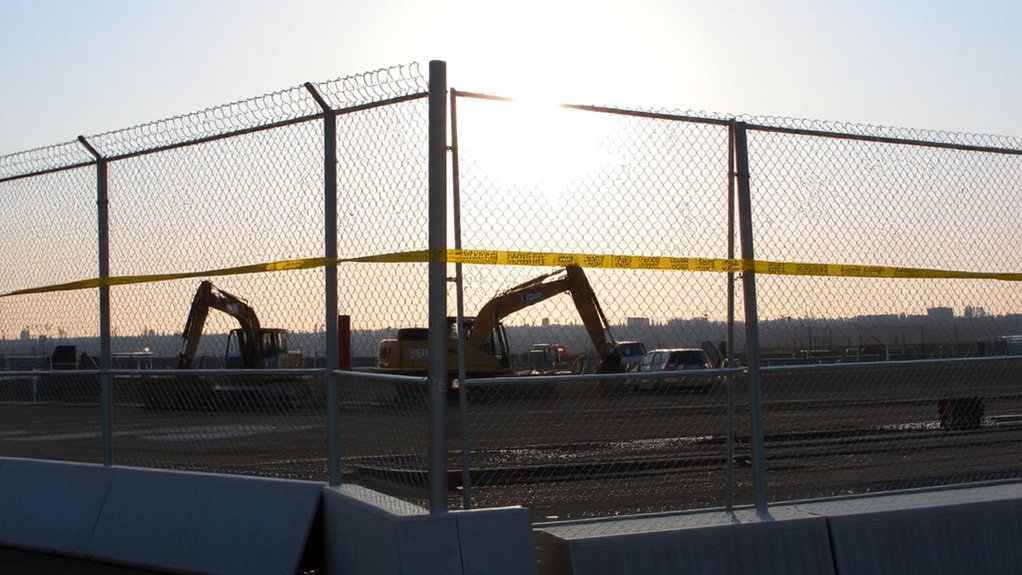
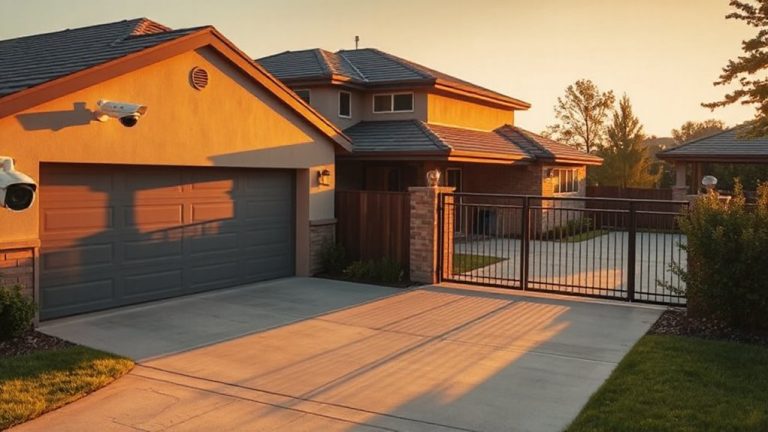
You’ll want to start by setting up job-site-grade fencing to clearly mark and protect your renovation area. This sturdy barrier deters unauthorized access and keeps tools, debris, and materials secure. Durable fencing supports proper material storage by creating a dry, enclosed space where supplies won’t shift or scatter. It also contributes to noise control, reducing sound transfer to surrounding areas with solid panels or added insulation. Choose fencing at least 6 feet tall with reinforced bases to resist wind and tampering. Chain-link works for visibility and lower cost, while corrugated metal offers better privacy and noise reduction. Installation typically takes a few hours, costing $5 to $12 per linear foot. Plan access points carefully, ensuring they’re functional without compromising security. Consistent perimeter control sets the foundation for safety, organization, and neighbor-friendly operations throughout your project.
Enforce Access With Digital Check-Ins and Badges
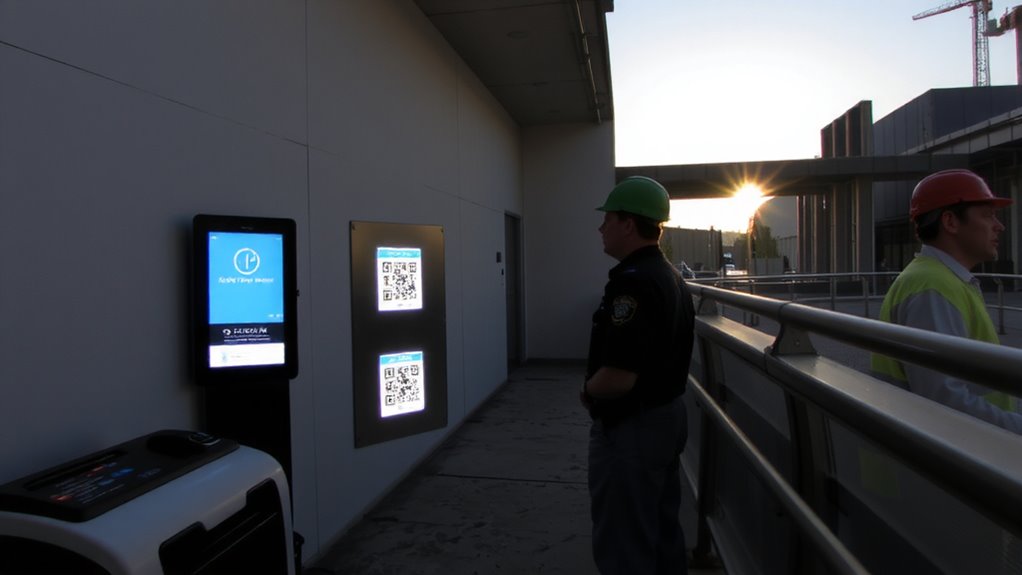
How do you know who’s entering and exiting your renovation site each day? Implement digital check-ins and badges to streamline visitor verification and maintain accurate access logging. You’ll require everyone-workers, inspectors, or guests-to scan a QR code or use an app to check in, instantly recording their identity and time of entry. This system reduces errors from manual logs and guarantees only approved individuals gain access. Badges with visible IDs make it easy to spot unauthorized people. Most platforms store data securely, allowing you to review access logs anytime. Setup usually costs $50–$150 monthly, depending on features. While reliable, it depends on consistent device use and staff compliance. Still, the clarity and security gains are worth it. Digital check-ins don’t just track access-they strengthen accountability across your entire project.
Store Tools in Lockable, On-Site Containers
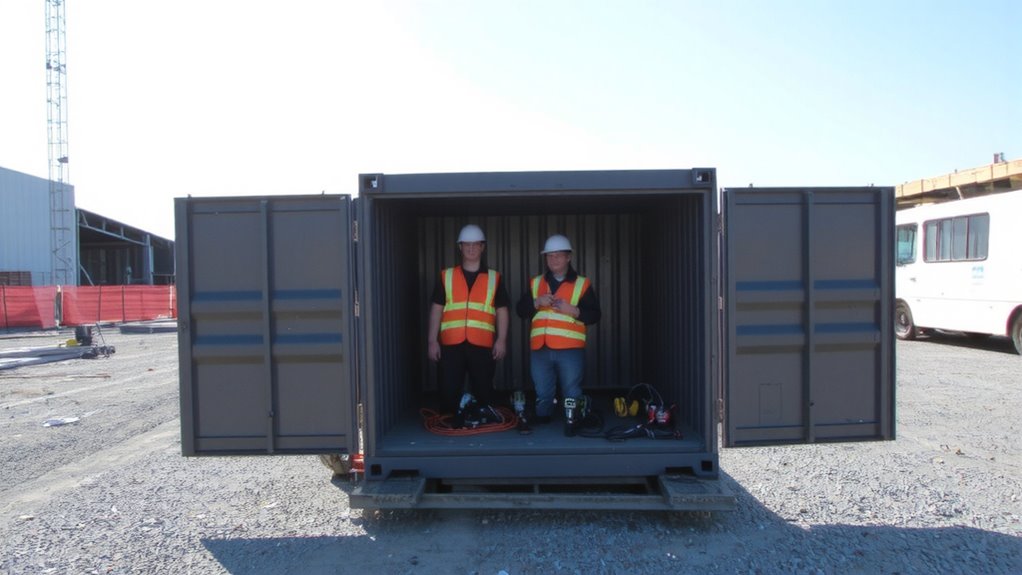
Securing your job site doesn’t stop at monitoring who comes and goes-it extends to protecting the equipment that keeps work moving. You should store tools in lockable, on-site containers to prevent theft and guarantee accountability. Proper tool organization means labeling compartments and arranging equipment logically, so workers spend less time searching and more time working. Durable containers made of steel with reinforced locks offer strong protection against tampering. Regular container maintenance-like checking hinges, seals, and locks-extends lifespan and guarantees continued security. These units are portable, allowing relocation as the project progresses. While initial costs range from $200 to $600, they’re cost-effective compared to replacing stolen tools. Position containers in visible, well-lit areas to deter unauthorized access. Choose models with weather-resistant features to protect contents from moisture and dust. Proper storage improves efficiency and safety across the job site.
Monitor Activity With Smart Cameras and Alerts
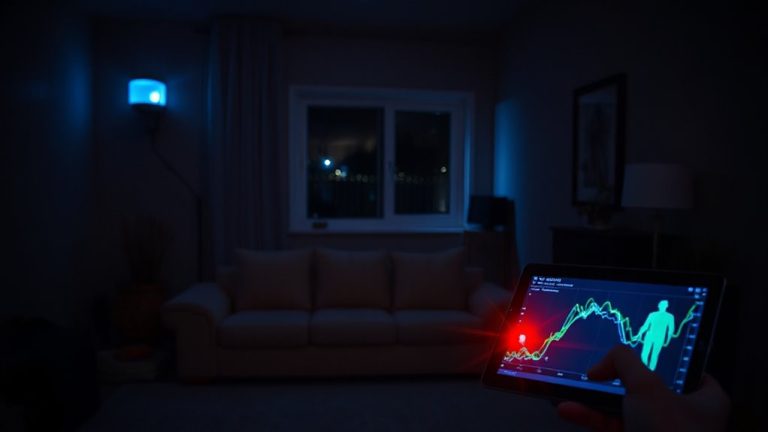
While visibility alone can deter some unauthorized activity, pairing it with smart cameras and real-time alerts offers a more proactive approach to job site security. You can use remote monitoring to keep an eye on your site from anywhere, day or night. These systems send real time alerts to your phone or tablet when motion is detected, helping you respond quickly. Look for weather-resistant cameras with night vision and cloud storage. Many models work with mobile apps, letting you review footage or share clips with authorities if needed. Although setup costs range from $150 to $500 per camera, the investment may prevent costly theft or damage. Wi-Fi reliability matters-weak signals can delay alerts. Power options include wired, battery, or solar. For best results, place cameras at entry points and near stored equipment. Top systems often include best home security cameras for reliable performance and integration.
Prevent Break-Ins With Lighted Safety Zones
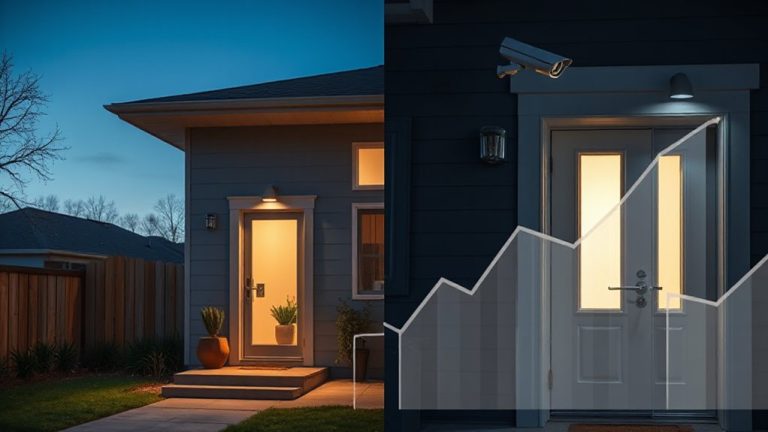
Since intruders often target dark, unlit areas, installing well-lit safety zones around your renovation site can greatly reduce the risk of break-ins. You should use motion lighting to detect movement and automatically illuminate access points-this deters trespassers and alerts you to unexpected activity. Studies show that properties with motion lighting experience up to 50% fewer unauthorized entries. Combine this with illuminated signage that clearly marks restricted areas and safety rules, improving visibility and legal protection. These signs are especially effective at night when natural light is limited. Opt for LED fixtures; they’re energy efficient and last longer. Solar-powered options cut wiring costs but may need battery replacements in winter. Plan your layout to avoid shadows, ensuring coverage along fences, entrances, and storage zones. A well-lit site isn’t just safer-it’s less appealing to criminals looking for concealment. For reliable performance, consider installing one of the top-rated best motion sensor flood lights available on the market.
Respond Faster With On-Site Emergency Alarms
A well-placed alarm system can cut emergency response times by as much as 60%, giving you a critical edge during active threats or accidents on a renovation site. When you install on-site emergency alarms, you improve alarm response by guaranteeing alerts are immediate and localized. These systems support clear emergency signaling through loud sirens, flashing lights, and automated notifications to key personnel or monitoring services. Wired alarms offer reliability but require more installation time; wireless models provide flexibility and faster setup. For most projects, a combination system works best-especially on large or high-risk sites. Look for features like battery backups, weather resistance, and integration with existing security tools. Though initial costs range from $200 to $800, the investment reduces risk and improves coordination. Regular testing guarantees ongoing function, so schedule checks weekly to maintain peak performance and worker safety. For extended property monitoring, consider integrating long-range driveway alarms to detect unauthorized vehicles or intruders approaching the site from a distance.
On a final note
You can keep your site secure during renovations by using strong fencing, digital check-ins, and locked storage for tools. Smart cameras and motion-activated lights help deter theft and spotting issues early. On-site alarms speed up emergency responses. These steps are proven to reduce risks, with monitored sites reporting fewer break-ins. While setup costs vary, most upgrades pay off in prevented losses. Plan each measure early to save time and money, and adjust as the project changes.