Understanding the Basics of Personal Safety at Home
You face daily home risks like slips, fires, and break-ins, but simple steps cut those dangers. Use non-slip mats in bathrooms and secure loose rugs to prevent falls. Install smoke and carbon monoxide detectors on every level, testing monthly. Smart locks and surveillance cameras can reduce burglary risk by up to 60%. Clear clutter, fix electrical hazards, and practice emergency drills twice a year-your next move could make all the difference.
Notable Insights
- Install smoke detectors on every level and test them monthly to ensure early fire detection.
- Use non-slip mats in bathrooms and kitchens to reduce slip-and-fall risks on wet surfaces.
- Secure loose rugs and declutter stairs and hallways to prevent tripping hazards.
- Install carbon monoxide detectors near bedrooms and fuel-burning appliances for invisible gas detection.
- Equip doors and windows with sensors and smart locks to deter intrusions and enhance security.
Identify the Most Common Home Safety Risks
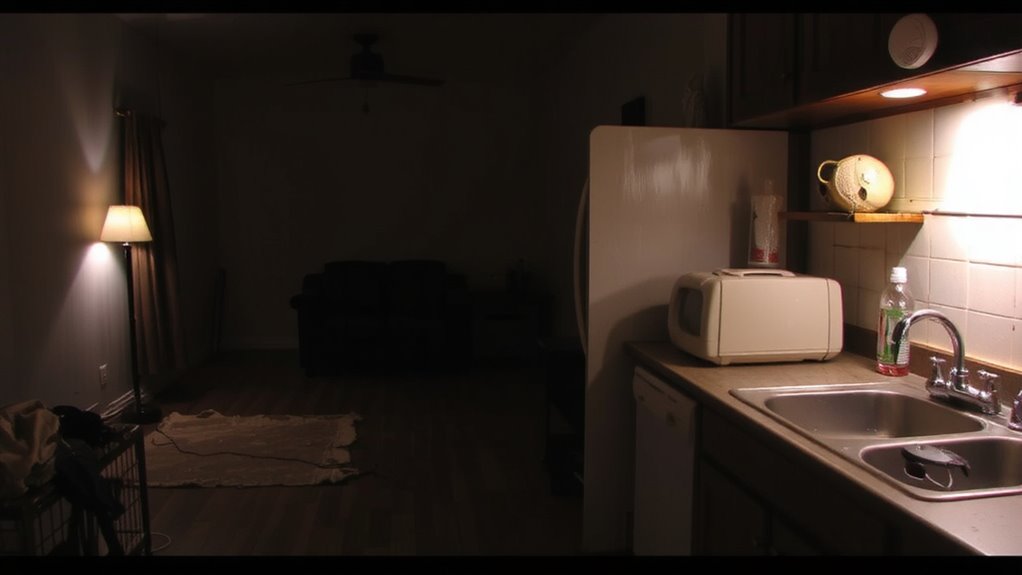
Slips, falls, and fires top the list of common home safety risks, affecting millions each year. You face slip hazards daily, especially in bathrooms, kitchens, and stairways where wet floors or loose rugs increase your risk of injury. Address these by securing carpets and using non-slip mats. Electrical faults are another leading cause of home fires, often due to overloaded outlets, damaged cords, or outdated wiring. You should regularly check cords and plugs for wear, avoid daisy-chaining power strips, and have a licensed electrician inspect older systems. Both issues are preventable with awareness and small changes. While slip hazards are easy to overlook, they contribute to over 8 million injuries annually. Electrical faults cause roughly 51,000 fires each year. Identifying and mitigating these common risks improves your home’s safety markedly. Prevention costs little but offers high returns in protection.
Install and Test Key Home Safety Devices
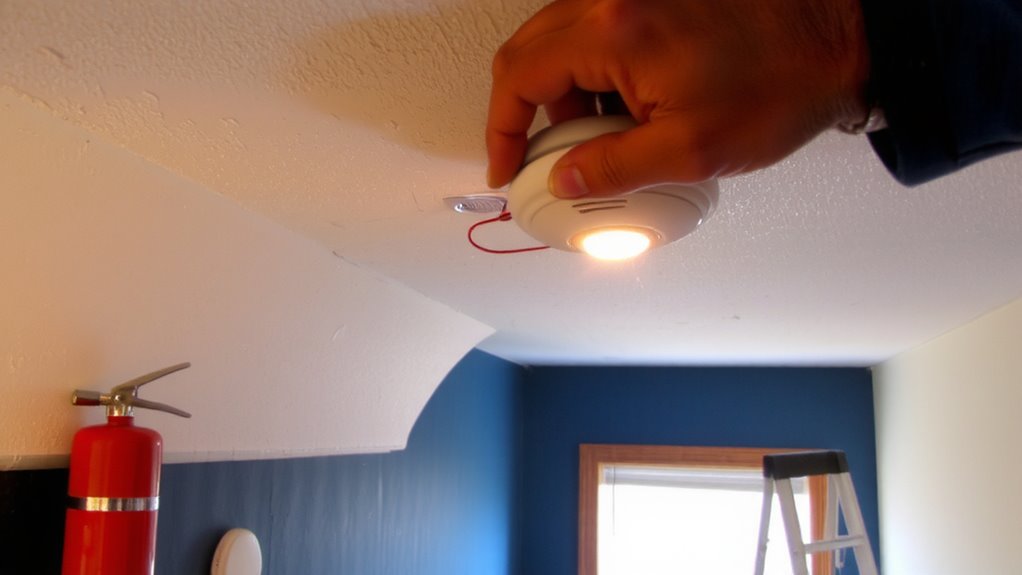
While you can reduce risks by addressing hazards like wet floors or faulty wiring, installing and testing key safety devices is essential for reliable protection. You should install smoke detectors on every level and test them monthly; most fires occur at night, so having working alarms doubles your survival chances. Replace batteries yearly, or use 10-year sealed models to reduce maintenance. Carbon monoxide detectors are just as critical, especially near bedrooms and appliances. Smart locks add convenience and control, letting you lock doors remotely and monitor access, though they require power and Wi-Fi. Window sensors trigger alerts if a window opens unexpectedly, helping detect intrusions early. These devices, when paired with regular testing, provide reliable, real-time feedback. Budget for at least one sensor per exterior window and invest in models that integrate with existing alarms. Test all devices quarterly to guarantee they work. For areas like the garage, consider installing garage-specific smoke alarms designed to withstand temperature extremes and resist dust and fumes.
Stop Break-Ins With Smarter Home Security
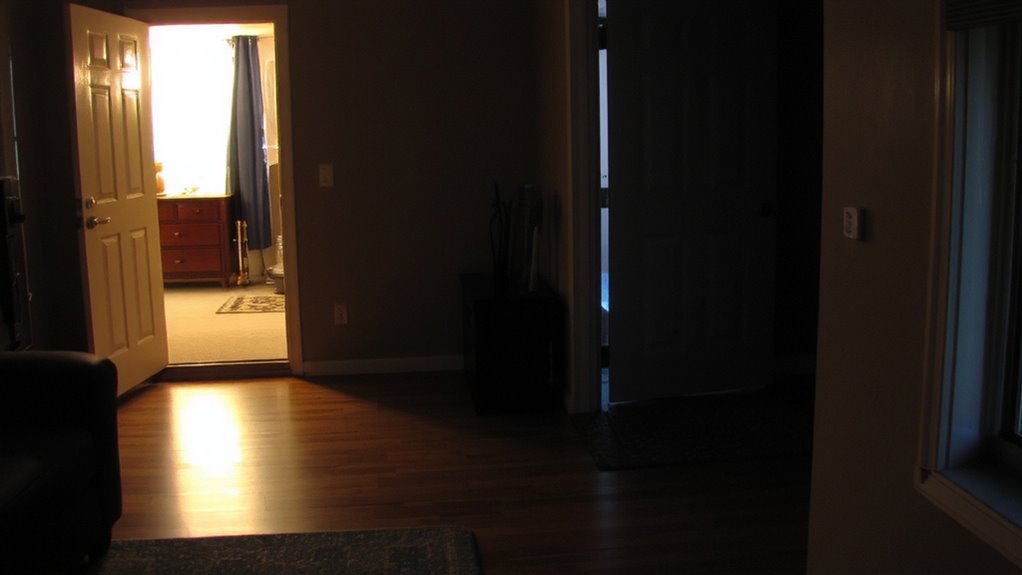
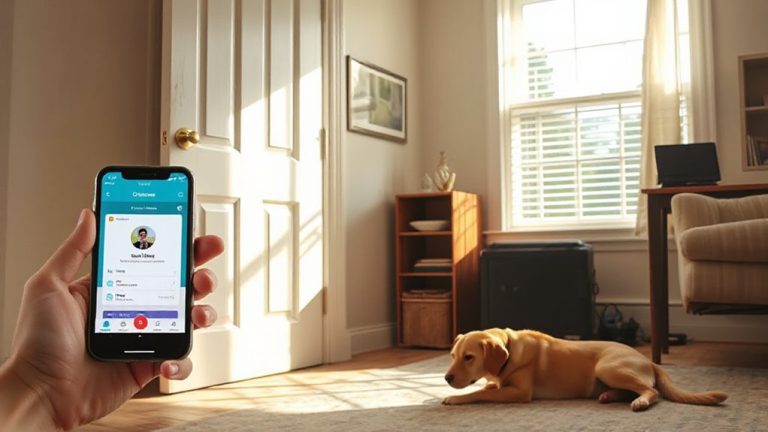
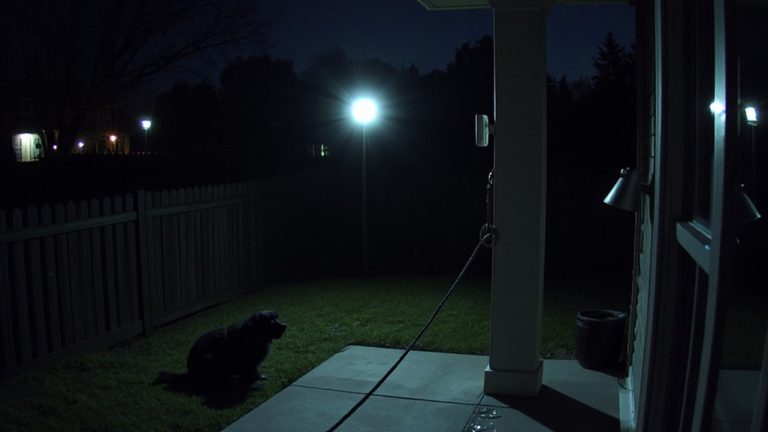
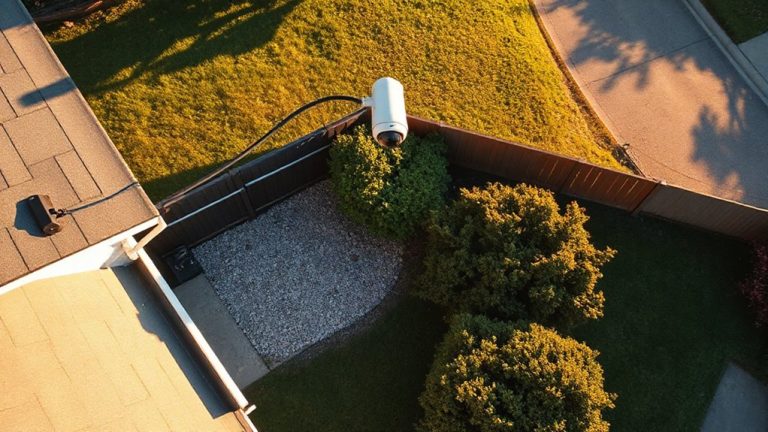
Since most home invasions happen when no one’s home, using smart security systems can cut break-in risks by up to 60%. Installing smart locks makes your doors harder to pick or force open, and you can lock or open them remotely using your phone. Most models work with voice assistants and send alerts when someone enters. Pair them with surveillance cameras that record in high definition, detect motion, and send real-time alerts. Many systems offer cloud storage so you can review footage later. Cameras placed at entry points act as both deterrents and evidence sources. While setup costs range from $200 to $600, monthly monitoring plans add about $10 to $30. Wired systems are more reliable; battery-powered ones are easier to install. Make sure your Wi-Fi is strong and passwords are unique. Smart locks and surveillance cameras together create a stronger, proactive defense against break-ins. For reliable options, consider reviewing the best security camera systems before making a purchase.
Prevent Falls and Common Household Accidents
You’ve secured your home against intruders with smart locks and cameras, but safety doesn’t stop at keeping threats out-it also means protecting yourself from everyday dangers inside. Slippery floors and cluttered spaces are leading causes of falls, especially in homes with seniors or young children. To reduce risks, use non-slip mats in bathrooms and kitchens, and clean spills immediately. Keep hallways and stairs clear of boxes, cords, and furniture to prevent tripping. Install grab bars where needed and guarantee lighting is bright in high-traffic areas. Regularly check floor surfaces for wear and replace loose rugs. Small changes make a big difference: studies show that decluttering can cut fall risks by up to 30%. Preventing household accidents isn’t about major renovations-it’s about consistent, practical habits that protect everyone at home.
Make a Realistic Home Emergency Plan
If disaster strikes, having a clear and practiced emergency plan can mean the difference between chaos and control, especially when seconds count. You need a realistic home emergency plan that includes emergency drills and a reliable communication protocol. Practice these drills every six months so everyone knows their role. Use the table below to organize key elements:
| Scenario | Meeting Point | Contact Method |
|---|---|---|
| Fire | Front driveway | Text or phone call |
| Earthquake | Neighbor’s yard | Pre-arranged code word |
| Power outage | Living room | Battery-powered radio |
| Gas leak | Across the street | Designated family caller |
| Medical emergency | Front porch | 911 first, then family |
Update contact info annually. Assign roles based on age and ability. A solid communication protocol guarantees someone always knows your status, even when phones fail. Test systems regularly-preparedness saves lives.
Build Daily Home Safety Habits That Work
How often do you think about the habits you follow-or skip-each day that could prevent a household accident? Small actions in your daily routines, like checking smoke alarms or securing loose rugs, add up to real safety gains. Research shows consistent habit tracking improves adherence by up to 40%. Start by listing three high-impact tasks-locking doors, turning off stoves, or storing medications safely-and perform them at the same time every day. Use a simple chart or app to mark progress. After three weeks, most people see lasting change. Pros include reduced injury risk and peace of mind; cons may involve initial effort and forgetfulness. Over time, habit tracking sharpens awareness and prevents common hazards. Plan by choosing one or two habits first, then expand. Most tools for tracking are free or low-cost, under $5 monthly. Focus on consistency, not perfection. These steps build a safer, more predictable home environment.
On a final note
You now know the key steps to stay safe at home. Install smoke alarms and test them monthly, secure doors with sturdy locks, and use motion-sensor lights to deter break-ins. Remove tripping hazards and plan escape routes for emergencies. Simple daily habits, like checking appliances, add up. These proven, low-cost steps reduce risks and give you peace of mind.