Choosing Between Surface-Mount and Recessed Door Sensors for Modern Entryways
You’re choosing between surface-mount and recessed door sensors based on aesthetics, installation ease, and budget. Surface models are easier to install, cost $15–$30, and work well for rentals, but they’re visible and more vulnerable. Recessed sensors, priced $25–$40 plus labor, offer a clean, hidden look ideal for modern homes, though they require precise cutting and increase installation time. Both are reliable when properly aligned, but recessed versions provide better long-term durability and style integration-especially if you’re planning renovations or want a seamless finish.
Notable Insights
- Recessed sensors offer a sleek, nearly invisible look ideal for modern entryways prioritizing clean design.
- Surface-mounted sensors are easier to install and suitable for rentals or retrofits without structural changes.
- Recessed models require precise carpentry during construction, increasing installation time and cost by 20–30%.
- Surface sensors are more visible, which can deter intruders but may clash with minimalist aesthetics.
- Both types provide reliable security, but recessed sensors better protect components from tampering and weather.
Surface vs Recessed Door Sensors: Key Differences
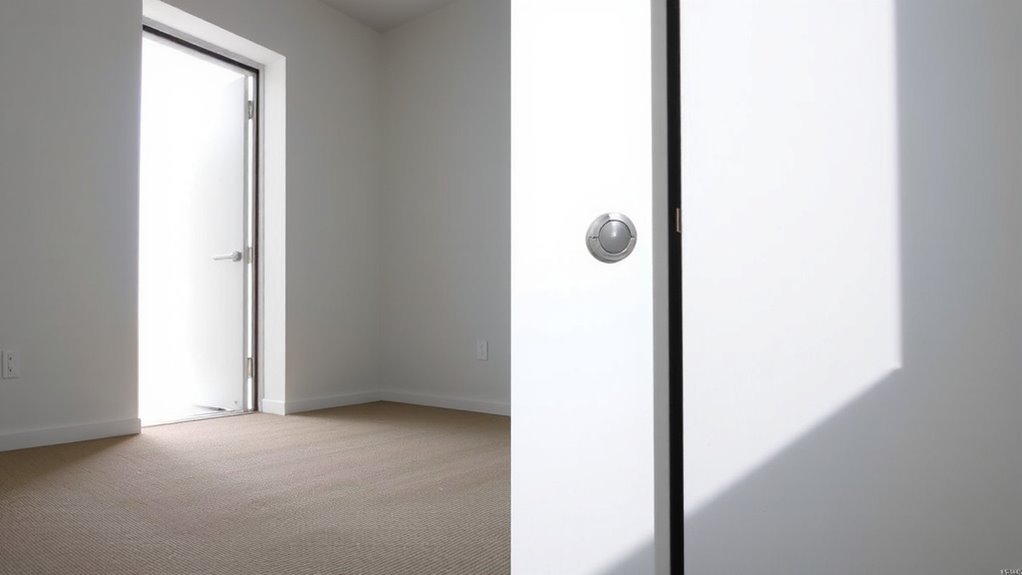
When it comes to securing your entryways, the mounting style of your door sensor-surface or recessed-plays a bigger role than you might think. Surface-mounted sensors are easier to install and work well in most homes, but they have greater installation visibility, which may affect appearance. Recessed sensors, built into the door and frame, offer a cleaner aesthetic impact since they’re nearly invisible when the door is closed. This makes them ideal for high-end or modern designs where looks matter. However, recessed models require precise drilling and alignment, increasing labor and cost. They also take longer to install and may not suit DIYers. While both types offer reliable security performance, your choice depends on balancing aesthetic impact with installation visibility. Recessed sensors cost 20–30% more, including labor. Choose recessed for seamless integration, surface-mount for simplicity and affordability.
Surface-Mount Sensors: How They Work and Best Uses
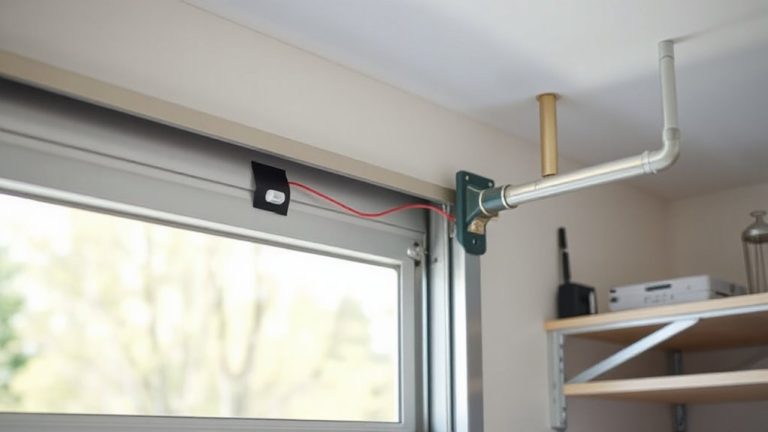
Though they’re simpler to install than recessed models, surface-mounted door sensors still provide reliable security by using a magnetic connection between two separate components-one installed on the door and the other on the frame. You’ll want to pay close attention to sensor placement, as proper alignment guarantees the circuit breaks when the door opens, triggering the alarm. These sensors are visible, so they carry a noticeable visibility impact-this can deter intruders but may not suit sleek, minimalist designs. They work well in retrofits or rental units where drilling into frames isn’t allowed. Most cost $15–$30 per unit, making them budget-friendly. Their exposed position makes them slightly more vulnerable to tampering compared to hidden options, but advancements in tamper-proof housings have improved resilience. For reliable, easy installation with clear performance feedback, surface-mounted sensors are a practical choice when aesthetics aren’t the top priority. Top models offer integration with smart home systems through garage door alarm sensors.
Recessed Sensors: Hidden Design and High-End Appeal
Recessed door sensors offer a cleaner, more discreet alternative to the surface-mounted models discussed earlier, with both components hidden inside the door and frame for a nearly invisible installation. You’ll appreciate their minimalist appearance and seamless aesthetic integration, especially in modern or high-end homes where design matters. These sensors maintain security without drawing attention, blending into your architecture instead of interrupting it.
| Feature | Recessed Sensor | Surface-Mount Sensor |
|---|---|---|
| Visibility | Hidden | Visible |
| Aesthetic Integration | Excellent | Fair |
| Installation Complexity | Higher | Lower |
Though recessed sensors cost more and require careful planning during construction or renovation, their clean look justifies the effort for many homeowners. They’re ideal when appearance and security must work together without compromise, providing reliable performance behind the scenes.
Installing Surface vs Recessed Door Sensors: Time and Tools
How much time and what tools will you actually need to install door sensors? Surface-mounted sensors are quick, usually taking 10–15 minutes per unit with basic tool requirements like a screwdriver, drill, and measuring tape. Their installation complexity is low, making them ideal for DIYers. Recessed sensors take longer-30 minutes or more-because you must cut into the door and frame. This increases installation complexity markedly, requiring precision tools like a chisel, router, or hole saw, along with extra patience. Incorrect cuts can damage wood or compromise alignment. For renters or those avoiding permanent changes, surface models are more practical. If you’re remodeling or building new, recessed options fit better. Either way, factor in extra time for learning curves and double-checking measurements. Matching the right tools and skill level to your chosen sensor guarantees a clean, functional setup.
Security, Style, Durability: Surface vs Recessed Compared
You’ve already considered the time and tools needed for installation, but now it’s time to weigh how surface and recessed sensors compare in security, appearance, and long-term use. Surface-mounted sensors are easier to install and typically more affordable, starting around $15 per unit, but they’re more visible and can be tampered with. Their aesthetic impact is more noticeable, especially on high-end doors. Recessed sensors offer a cleaner look, with minimal aesthetic impact since they’re embedded into the frame and door. This design supports better long term reliability by shielding components from weather and physical damage. However, improper installation can reduce effectiveness. Recessed models often cost $25–$40 each, not including carpentry. Both types provide strong security when properly installed, but recessed options offer a blend of durability and discreet performance ideal for modern entryways. Choose based on your priorities: ease and cost, or refined look and long term reliability. For added peace of mind, consider pairing your selected sensor type with one of the Top Garage Door Sensors recommended by experts.
Smart Home Integration: Surface vs Recessed Sensor Compatibility
Most door sensors work with smart home systems, but the type you pick-surface or recessed-can affect setup and performance. Surface-mount sensors usually offer easier smart home compatibility since they’re designed for wireless connectivity and plug right into hubs. You’ll often find built-in Bluetooth or Zigbee, so pairing with Alexa, Google, or Apple Home is quick. Recessed sensors can support the same protocols, but their installation may require professional help, especially in older doors. While both types support wireless connectivity, surface models let you upgrade or replace devices faster. Recessed versions, though neater, might limit future changes due to wiring embedded in the frame. For flexibility and lower upfront cost, surface sensors are practical. If you value clean aesthetics and long-term use, recessed could work. Check specs for smart home compatibility before buying.
A key factor in seamless integration is choosing a sensor compatible with your preferred smart home automation hubs.
On a final note
You should choose surface-mount sensors if you want easier, faster installation and lower cost, since they require no carpentry. Recessed sensors offer a cleaner look and are more tamper-resistant, ideal for high-end or modern homes. Both work well with smart systems, but recessed models may need professional installation. Consider your budget, security needs, and door material when deciding.